FUTDEV01

Cotton Products

6 Powerful Medical Cotton Products Every Healthcare Facility Should Know

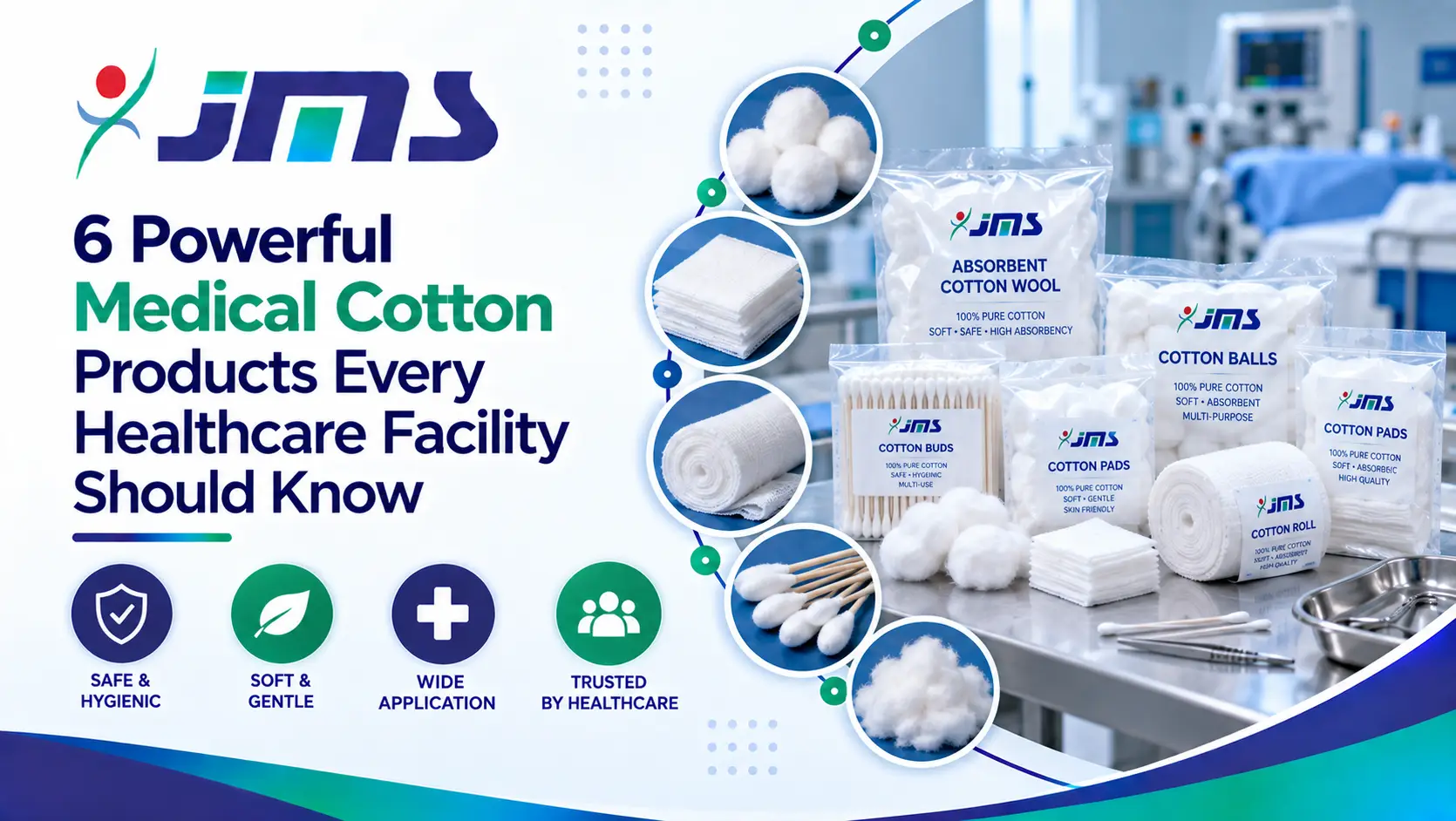
Medical cotton products are widely used across hospitals, clinics, nursing homes, diagnostic centres, dental practices, pharmacies, and other healthcare settings. They can support everyday activities such as wound cleaning, dressing, absorption, patient care, and general clinical procedures. Although many cotton products may look similar, they can differ in their construction, absorbency, size, packaging, and intended application. For healthcare buyers, understanding these differences can make product selection more appropriate and efficient. This guide explains the common categories of surgical and medical cotton products, their general uses, and the key factors healthcare organizations should consider before purchasing them. What Are Medical Cotton Products? Medical cotton products are healthcare materials made from cotton or cotton-based materials and designed for specific medical, clinical, hygienic, or patient-care applications. Depending on the product, they may be supplied in different shapes, sizes, forms, and packaging configurations. Common categories include: Absorbent cotton Cotton rolls Cotton balls Zig-zag cotton Dental cotton rolls Non-absorbent cotton Other specialized cotton products The appropriate product depends on the intended application and the requirements of the healthcare facility. 1. Absorbent Cotton Absorbent cotton is one of the commonly used cotton products in healthcare environments. It is designed to absorb fluids and can be used for a variety of general healthcare and wound-care applications. General Uses Absorbent cotton may be used for: Cleaning and dressing applications Absorbing fluids during procedures General wound-care support Applying antiseptic solutions General patient-care requirements What Buyers Should Consider Healthcare buyers should consider: Absorbency Softness Cotton quality Cleanliness Product consistency Packaging Available sizes Intended application For products used in clinical environments, buyers should also review applicable product specifications and manufacturer documentation. 2. Cotton Rolls Cotton rolls are cylindrical or rolled cotton products that can be convenient for controlled application and general clinical use. They are commonly used in healthcare and dental environments. General Uses Cotton rolls may be used for: Absorbing fluids Cleaning wounds or skin General dressing applications Dental procedures Applying or removing solutions Their shape can make them convenient for applications where a compact cotton format is preferred. What Buyers Should Consider When purchasing cotton rolls, healthcare facilities can evaluate: Size and dimensions Absorbency Softness Ease of handling Packaging Product consistency Intended clinical application Different departments may require different cotton-roll sizes, so product specifications should be checked before purchasing. 3. Cotton Balls Cotton balls are small, rounded cotton products designed for applications requiring a convenient quantity of cotton. General Uses They may be used for: Cleaning skin Applying antiseptic solutions General patient care Cosmetic or hygiene-related healthcare applications Cleaning around treatment areas What Buyers Should Consider Important considerations can include: Size Absorbency Softness Fiber quality Packaging Ease of handling Cleanliness Healthcare buyers should select products according to their intended use rather than choosing solely on price. 4. Zig-Zag Cotton Zig-zag cotton is supplied in a continuous or layered format that can be separated according to the quantity required. Its flexible format can make it useful for general healthcare applications. General Uses Depending on the product specifications, zig-zag cotton may be used for: Wound-care applications Cleaning Absorption General medical and patient-care activities Applying solutions What Buyers Should Consider Healthcare buyers can evaluate: Absorbency Cotton quality Texture and softness Ease of separation Quantity per package Packaging integrity Intended application 5. Dental Cotton Rolls Dental cotton rolls are designed specifically for use in dental and oral-care environments. Their cylindrical shape and absorbent characteristics can help dental professionals manage moisture during certain procedures. General Uses Dental cotton rolls may be used for: Moisture control Absorbing saliva Maintaining a relatively dry treatment area General dental procedures What Buyers Should Consider Dental facilities should consider: Appropriate size Absorbency Softness Shape retention Ease of placement and removal Packaging Intended dental application Selecting the appropriate size is particularly important because dental procedures can require different product dimensions. 6. Non-Absorbent Cotton Unlike absorbent cotton, non-absorbent cotton is designed for applications where high fluid absorption is not the primary requirement. Its intended use depends on the product specifications and healthcare application. General Uses Depending on the product, non-absorbent cotton may be used for: General healthcare applications Padding Protective applications Certain dressing-related requirements Other situations where absorbency is not the primary objective What Buyers Should Consider Healthcare buyers should carefully check: Product composition Intended use Texture Construction Packaging Product specifications Manufacturer instructions It is important not to substitute absorbent and non-absorbent cotton products simply because they appear similar. How to Choose the Right Medical Cotton Product Choosing a medical cotton product should begin with the intended application. A hospital purchasing department may require several different cotton formats because different departments have different requirements. For example: Product Common General Application Absorbent Cotton Wound care, cleaning and fluid absorption Cotton Rolls Clinical and dental applications Cotton Balls Cleaning and applying solutions Zig-Zag Cotton General healthcare and wound-care applications Dental Cotton Rolls Dental moisture control Non-Absorbent Cotton Applications where high absorbency is not the primary requirement These are general uses. The manufacturer’s product specifications should always be checked for the intended application. Important Factors Healthcare Buyers Should Consider Selecting medical cotton is not simply about choosing the lowest-priced product. Healthcare buyers should evaluate several factors. 1. Product Quality Consistent product quality is important when medical cotton is used repeatedly across healthcare environments. Buyers should review product specifications and assess whether the product is appropriate for its intended application. 2. Absorbency For products intended to absorb fluids, absorbency can be an important consideration. The required absorbency may vary depending on whether the cotton is being used for general cleaning, wound care, dental procedures, or another application. 3. Softness and Texture Products used around patients should have characteristics appropriate for their intended application. Softness and texture can be particularly relevant for products that come into contact with skin or are used during patient-care procedures. 4. Size and Format Medical cotton is available in different forms and sizes. Healthcare buyers should select dimensions that match the requirements of the department or procedure. Buying an inappropriate size can result in unnecessary product usage or wastage. 5.

6 Powerful Medical Cotton Products Every Healthcare Facility Should Know Read More Âť

Medical Consumable Storage

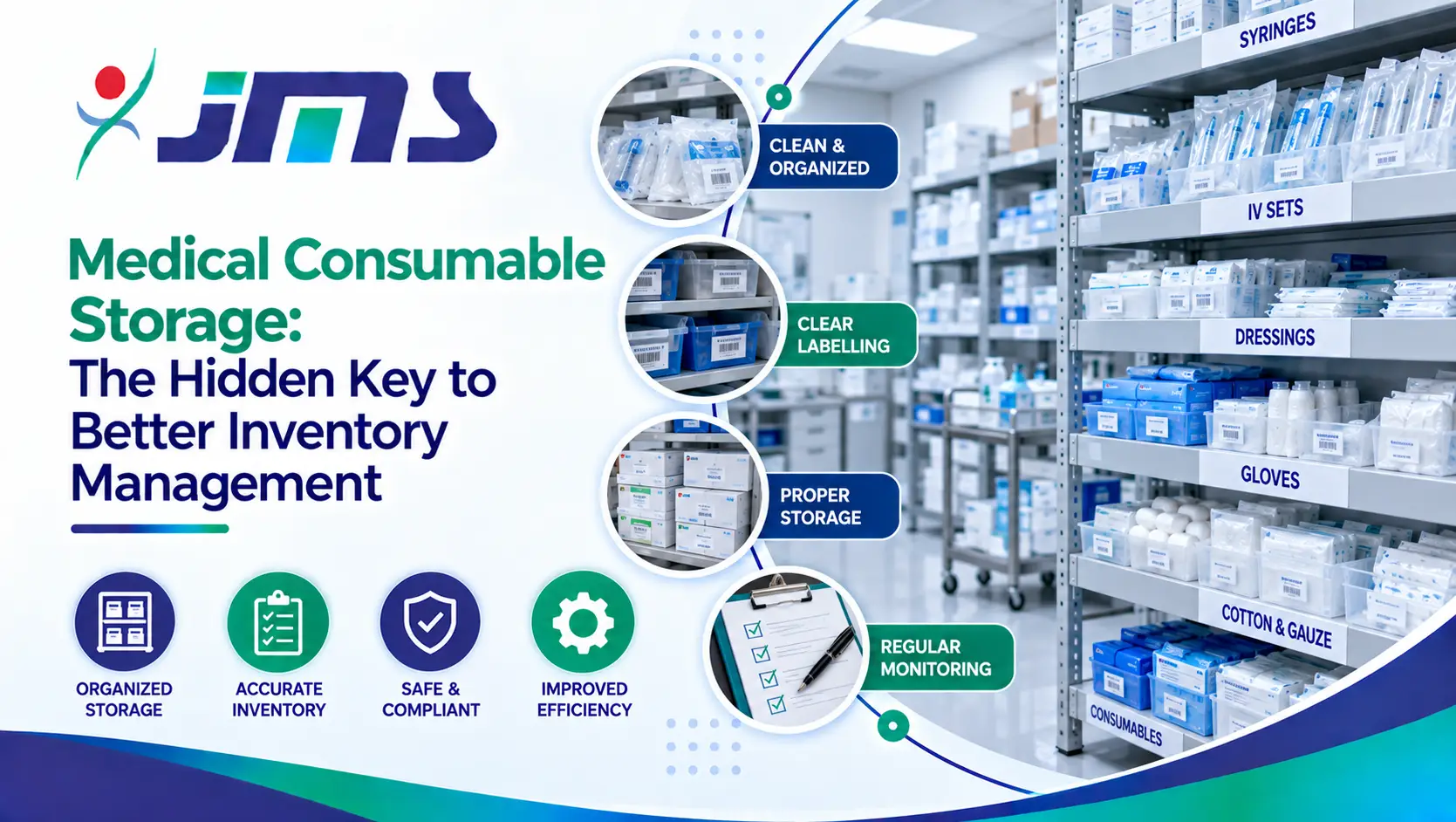
Medical Consumable Storage: The Hidden Key to Better Inventory Management

Medical consumables are an essential part of everyday healthcare operations. Hospitals, clinics, nursing homes, diagnostic centres, pharmacies, and other healthcare facilities depend on products such as gloves, cotton, gauze, dressings, medical tapes, orthopedic products, and other healthcare supplies. However, purchasing quality medical products is only one part of maintaining their usability. Proper storage is equally important. Poor storage conditions can expose products to moisture, dust, excessive heat, physical damage, contamination, or packaging deterioration. A well-planned storage system helps healthcare facilities protect their inventory, monitor expiry dates, maintain product organization, and ensure that supplies are available when needed. Why Proper Storage of Medical Consumables Matters Medical consumables are often used directly in patient care and clinical procedures. Their condition can therefore matter to healthcare professionals and patients. Proper storage can help healthcare facilities: Protect products from environmental damage Maintain packaging integrity Reduce unnecessary product wastage Improve inventory management Make expiry monitoring easier Reduce the risk of using damaged or expired products Improve stock rotation Support efficient procurement and supply management Storage requirements can vary from one product to another, so healthcare facilities should always follow the manufacturer’s instructions and applicable facility procedures. General Best Practices for Storing Medical Consumables Before looking at individual product categories, healthcare facilities can follow several basic storage principles. 1. Keep Storage Areas Clean Medical consumables should be stored in clean and well-maintained areas. Storage rooms and shelves should be regularly cleaned and kept free from unnecessary dust, dirt, waste, chemicals, and other potential contaminants. Products should generally not be placed directly on the floor. Shelving can help protect packaging and make inventory easier to inspect. 2. Control Moisture and Humidity Moisture can damage certain medical products and their packaging. Damp environments may contribute to packaging deterioration and may increase contamination concerns. Storage areas should therefore be kept dry and adequately ventilated. Healthcare facilities should also protect products from: Water leaks Condensation Damp walls Wet floors Excessive humidity Where a product has specific humidity requirements, the manufacturer’s instructions should be followed. 3. Follow Manufacturer Temperature Instructions There is no universal storage temperature for every medical consumable. Different products may have different storage requirements. Therefore, healthcare facilities should check the product label, packaging, instructions, or manufacturer’s documentation before deciding where and how a product should be stored. Products should be protected from excessive heat, freezing conditions, direct sunlight, or temperature fluctuations whenever the manufacturer specifies such precautions. 4. Protect Original Packaging Original packaging can help protect medical products from dust, moisture, light, contamination, and physical damage. Whenever appropriate, products should remain in their original packaging until they are required for use. Staff should regularly check packaging for: Tears Punctures Broken seals Water damage Crushing Fading or unreadable labels Products with compromised packaging should be handled according to the healthcare facility’s established quality and safety procedures. Storage Best Practices for Different Medical Product Categories Different medical consumables have different characteristics. Storage practices should therefore be considered according to the product category. 1. Medical Gloves Medical gloves are widely used in hospitals, clinics, laboratories, diagnostic centres, and other healthcare environments. They should be protected from environmental conditions that could affect the packaging or material. Storage Best Practice for Medical Gloves Store gloves in a clean and dry area. Keep them away from direct sunlight. Protect them from excessive heat. Avoid unnecessary exposure to moisture. Keep the original packaging intact until use. Do not place glove boxes directly on the floor. Avoid storing them near chemicals or other materials that could damage the packaging. Check expiry dates regularly. Gloves should be stored according to the manufacturer’s recommended conditions and product labeling. 2. Cotton Products Medical cotton products may be used for cleaning, wound care, dressing, and other healthcare applications. Examples can include absorbent cotton, cotton rolls, cotton balls, zig-zag cotton, and other specialized cotton products. Storage Best Practice for Cotton Products Store cotton products in a clean, dry environment. Protect them from moisture and water. Keep packaging intact. Avoid exposure to dust and other contaminants. Keep products away from chemicals and strong odors. Store products on clean shelves rather than directly on the floor. Monitor expiry or shelf-life information where applicable. Moisture control is particularly important because damp conditions can compromise packaging and product condition. 3. Gauze and Wound-Care Products Gauze, dressings, and other wound-care materials are commonly used for wound management, cleaning, dressing, and clinical procedures. For products supplied as sterile, maintaining package integrity is particularly important. Storage Best Practice for Gauze and Dressings Store products in a clean and dry area. Protect sterile packaging from moisture and physical damage. Avoid crushing, tearing, or puncturing packages. Keep sterile products in their original packaging. Do not use products if sterile packaging is visibly compromised. Organize products by type and size for easy identification. Check expiry dates and batch/lot information regularly. Sterile products should be handled according to the manufacturer’s instructions and the healthcare facility’s infection-control procedures. 4. Medical Tapes Medical tapes may be used for dressing fixation, IV-site support, cannula fixation, and other healthcare applications. Their adhesive properties and packaging can be affected by unsuitable environmental conditions. Storage Best Practice for Medical Tapes Store tapes in a clean and dry area. Follow the manufacturer’s specified temperature conditions. Protect products from excessive heat. Avoid unnecessary exposure to moisture. Keep packaging closed or intact until use. Protect rolls from dust and physical damage. Rotate stock according to expiry or shelf-life information. Always check the manufacturer’s instructions for product-specific storage conditions. 5. Orthopedic Products Orthopedic supplies can include products used for support, immobilization, dressing, casting, and related clinical applications. Different orthopedic products may have different storage requirements. Storage Best Practice for Orthopedic Products Keep products in clean, dry storage areas. Organize products by type and size. Avoid excessive pressure or stacking that could damage packaging. Protect products from moisture. Keep them away from direct sunlight and excessive heat where applicable. Maintain clear product identification. Check packaging condition before use. Monitor expiry or shelf-life information where applicable. Products such as casting and dressing materials

Medical Consumable Storage: The Hidden Key to Better Inventory Management Read More Âť

Medical Manufacturers

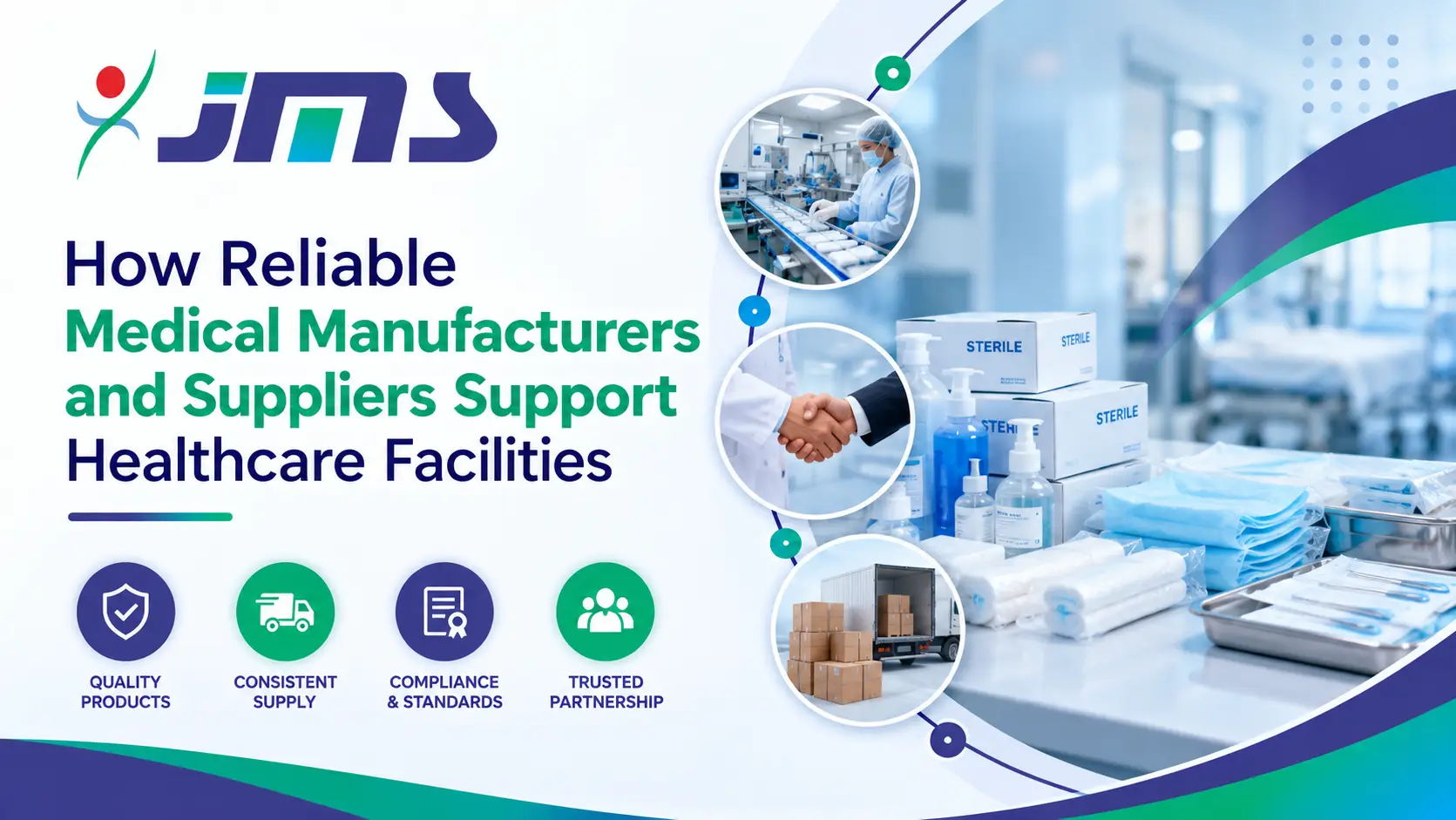
How Reliable Medical Manufacturers and Suppliers Support Healthcare Facilities

Healthcare facilities depend on a wide range of products every day to support patient care, infection prevention, wound management, diagnosis, treatment, and routine clinical procedures. From medical gloves and gauze to cotton products, surgical tapes, orthopedic supplies, and respiratory-care equipment, these products may appear simple, but their quality and availability can have an important role in healthcare operations. This is why choosing dependable medical manufacturers and suppliers is an important decision for hospitals, clinics, nursing homes, diagnostic centres, pharmacies, and other healthcare organizations. A reliable supplier does more than provide products. It can help healthcare facilities maintain consistent product availability, meet operational requirements, support quality standards, and build a dependable supply chain. Why Reliable Medical Manufacturers Matter Healthcare providers cannot afford unnecessary interruptions in the availability of essential medical products. A shortage of basic consumables can affect routine procedures and create additional pressure for procurement teams. Reliable manufacturers and suppliers can help address these challenges through: Consistent product quality Reliable manufacturing processes Appropriate product packaging Product availability Timely supply and delivery Quality assurance procedures Regulatory compliance Responsive customer support For healthcare organizations, these factors can make procurement more predictable and help teams focus on patient care. Essential Product Categories Used by Healthcare Facilities Different healthcare settings require different products. However, several categories are commonly used across hospitals, clinics, surgical centres, and other medical facilities. 1. Medical Gloves Medical gloves are an important part of routine healthcare practices. They are used during examinations, wound care, procedures, cleaning activities, and other situations where hand protection and hygiene are required. Healthcare facilities need to consider factors such as intended use, material, fit, durability, packaging, and appropriate quality standards when selecting gloves. Consistent access to suitable gloves can help healthcare professionals follow established hygiene and infection-control practices. 2. Cotton Products Medical cotton products are widely used for cleaning, dressing, wound care, and other healthcare applications. Depending on the application, healthcare facilities may require products such as: Absorbent cotton rolls Cotton balls Zig-zag cotton Dental cotton rolls Non-absorbent cotton products JMS Medicon’s product range includes several cotton products designed for healthcare and medical applications. The company describes its cotton products as being made from high-grade cotton and designed for absorbency, softness, and hygienic use. For hospitals and clinics, choosing appropriate cotton products can help support efficient wound-care and cleaning procedures. 3. Gauze and Wound-Care Products Gauze is another essential category used in wound management, dressing, cleaning, and clinical procedures. Healthcare facilities may require different gauze formats depending on the intended application. Product characteristics such as absorbency, construction, sterility, packaging, and ease of use can be important considerations. For example, Gamjee Rolls combine absorbent cotton with gauze covering and can be used in hospitals, clinics, emergency-care environments, and home healthcare applications. A dependable supplier can help healthcare organizations maintain access to suitable wound-care materials across different departments. 4. Medical Tapes and Orthopedic Products Medical tapes and orthopedic products support a variety of clinical applications, including dressing fixation, cannula fixation, IV-site coverage, and orthopedic care. The JMS Medicon product portfolio includes products such as: Adhesive Plaster Cannula Fixator Elastic Adhesive Bandage Cast Padding Medicated Dressing Microporous Surgical Tape Plaster of Paris Transparent IV Dressings Selecting the right product depends on its intended clinical use, patient requirements, material characteristics, and healthcare facility protocols. 5. Respiratory and Monitoring Products Healthcare facilities also require products that support respiratory care and basic patient monitoring. JMS Medicon lists Nebulizer, B.P and O2 among its healthcare product categories. These types of products can be relevant in clinics, hospitals, home-care environments, and other healthcare settings, depending on clinical requirements. The selection of such equipment should always consider intended use, product specifications, maintenance requirements, and applicable clinical guidance. 6. Surgical and Medical Devices Hospitals and surgical facilities use a wide variety of medical devices and procedure-related products. The reliability of these products can be particularly important because healthcare professionals need supplies that are suitable for their intended application and available when required. A dependable medical manufacturer or supplier can support procurement teams by offering clear product information, consistent supply, appropriate packaging, and responsive assistance. What Should Healthcare Facilities Look for in a Medical Supplier? Price is an important consideration when purchasing healthcare products, but it should not be the only factor. Healthcare organizations should evaluate suppliers based on several criteria. Product Quality Medical products should be manufactured and handled according to appropriate quality requirements. Consistency between batches and reliable product performance are important considerations for healthcare procurement. Manufacturing Standards A supplier’s manufacturing capabilities and quality-control procedures can provide useful information about its approach to product consistency and safety. Product Range Working with a supplier that offers multiple healthcare product categories can simplify procurement and reduce the need to coordinate with numerous vendors. A broad portfolio can include medical gloves, cotton, gauze, tapes, orthopedic products, respiratory products, and other healthcare essentials. Regulatory and Quality Compliance Healthcare products may be subject to different regulatory and quality requirements depending on the product category and intended application. Healthcare organizations should verify applicable certifications, documentation, labeling, and compliance requirements before purchasing. Consistent Availability A high-quality product is of limited practical value if it is consistently unavailable when healthcare facilities need it. Reliable inventory management and supply-chain processes can therefore be an important part of supplier selection. Packaging and Storage Packaging helps protect medical products during storage and transportation. Healthcare procurement teams should consider whether packaging is appropriate for the product and its intended use. Storage requirements should also be followed according to the manufacturer’s instructions. Customer Support Good supplier relationships extend beyond the initial purchase. Responsive customer service can help healthcare organizations obtain product information, discuss requirements, clarify specifications, and manage procurement-related questions. How Reliable Suppliers Strengthen Healthcare Supply Chains Healthcare supply chains involve multiple stages, from manufacturing and quality control to packaging, warehousing, transportation, and final delivery. A dependable supplier can contribute to a stronger supply chain by maintaining consistency across these stages. This can help healthcare facilities: Reduce procurement uncertainty Maintain essential inventory Plan purchases more effectively

How Reliable Medical Manufacturers and Suppliers Support Healthcare Facilities Read More Âť

Cannula Fixator: 7 Essential Benefits You Should Know

Cannulas are commonly used in hospitals, clinics, emergency departments, and other healthcare settings to provide access for intravenous (IV) fluids, medicines, and other prescribed treatments. Once a cannula is inserted, keeping it stable and properly positioned is an important part of patient care. A cannula fixator is a medical dressing or securing device designed to help keep an IV cannula safely in place. It can provide support around the insertion site while helping reduce unnecessary movement of the cannula. Therefore, using an appropriate cannula fixation product can support safer IV care, patient comfort, and better management of the cannula site. What Is a Cannula Fixator? A cannula fixator is a medical product used to secure an inserted IV cannula and help prevent unnecessary movement. Depending on the product design, a cannula fixator may include an adhesive dressing, fixation pad, transparent film, or other components designed to hold the cannula in position. It may help: • Secure the cannula to the skin• Cover and protect the insertion site• Reduce accidental movement• Support better visibility of the site with suitable transparent products• Help maintain a stable IV access point However, the exact design and application can vary between products. Therefore, healthcare professionals should follow the manufacturer’s instructions. Why Is Cannula Fixation Important? An IV cannula needs to remain appropriately positioned after insertion. Excessive movement can cause discomfort and may interfere with the IV access. Proper fixation can help: • Reduce unnecessary cannula movement• Support patient comfort• Keep the insertion site covered• Reduce the risk of accidental pulling• Support routine monitoring of the insertion site• Maintain more organized IV care Moreover, appropriate fixation can be particularly useful when patients need IV access for an extended period. How Does a Cannula Fixator Work? A cannula fixator generally works by securing the cannula and its surrounding area to the patient’s skin. The fixation material provides support around the cannula hub while the dressing or adhesive component helps keep the device from shifting unnecessarily. Depending on the product, the fixator may also provide a protective covering over the insertion site. As a result, the cannula can remain more stable during routine patient movement and healthcare activities. What Are the Main Parts of a Cannula Fixator? The design of a cannula fixator depends on the manufacturer and product type. However, common components may include: • Adhesive fixation area• Cannula securing pad• Transparent dressing• Protective film• Stabilizing section• Reinforcement strips Some products combine several of these features into a single pre-designed dressing. Therefore, healthcare facilities should select a product based on the type of cannula and the intended clinical application. Types of Cannula Fixators Different fixation products are available for different healthcare requirements. Common types may include: • Transparent cannula dressings• Adhesive cannula fixators• Cannula stabilization dressings• Securement dressings• Sterile IV fixation dressings Transparent products are particularly useful when healthcare professionals need to visually monitor the insertion site without removing the dressing. Transparent Cannula Fixators Transparent cannula fixators are designed to secure the cannula while allowing visibility of the insertion area. This can help healthcare professionals observe the surrounding skin and identify visible changes that may require attention. Potential benefits include: • Better visibility of the insertion site• Secure cannula fixation• Protection of the site• Easier routine monitoring• Reduced need for unnecessary dressing removal However, the dressing should be replaced according to appropriate clinical procedures and manufacturer guidance. Adhesive Cannula Fixators Adhesive cannula fixators use a medical adhesive to attach the fixation dressing to the skin. The adhesive helps hold the cannula in place and can reduce unnecessary movement. When selecting an adhesive fixator, healthcare professionals should consider: • Skin condition• Required fixation strength• Duration of use• Patient comfort• Location of the cannula• Product specifications For patients with fragile or sensitive skin, a suitable gentle adhesive product may be preferable. Sterile Cannula Fixation Products Sterile fixation products can be used when maintaining an appropriate level of asepsis around an IV insertion site is required. These products are designed and packaged to support sterile application according to their intended use. Healthcare professionals should check the packaging before use and should not use products if the packaging is damaged or the product is otherwise compromised. Where Are Cannula Fixators Used? Cannula fixators are commonly used in healthcare environments where peripheral IV cannulas are placed. These may include: • Hospitals• Emergency departments• Clinics• Day-care treatment centres• Nursing facilities• Other supervised healthcare settings They may be used for patients receiving IV fluids, medicines, or other treatments through an appropriate IV access device. Benefits of Using a Cannula Fixator Using a suitable cannula fixation product can provide several practical benefits. These include: • Better cannula stability• Reduced unnecessary movement• Protection of the insertion site• Improved patient comfort• Easier visual monitoring with transparent products• Support for organized IV care Furthermore, appropriate fixation can help healthcare professionals manage IV access more efficiently. How to Apply a Cannula Fixator Cannula fixation should be performed by appropriately trained healthcare professionals according to clinical protocols and the manufacturer’s instructions. A general process may involve: • Preparing the insertion site according to the relevant clinical procedure.• Checking that the cannula is correctly positioned.• Selecting an appropriate fixation product.• Applying the fixator without unnecessarily covering areas that need monitoring.• Ensuring the adhesive is securely attached to suitable skin.• Checking that the cannula remains stable.• Monitoring the site regularly according to clinical requirements. The exact procedure can vary depending on the cannula, fixation product, patient, and healthcare setting. What Should Be Checked After Cannula Fixation? After the cannula has been secured, healthcare professionals should continue to monitor the site according to applicable clinical protocols. They may check for visible signs such as: • Redness• Swelling• Bleeding• Leakage• Discomfort• Loosening of the dressing• Changes around the insertion site If any concerning signs are observed, the healthcare professional should assess the cannula and manage it according to the appropriate clinical protocol. When Should a Cannula Fixator Be Replaced? The fixation dressing should be changed according to the healthcare facility’s protocol, product instructions,

Cannula Fixator: 7 Essential Benefits You Should Know Read More Âť

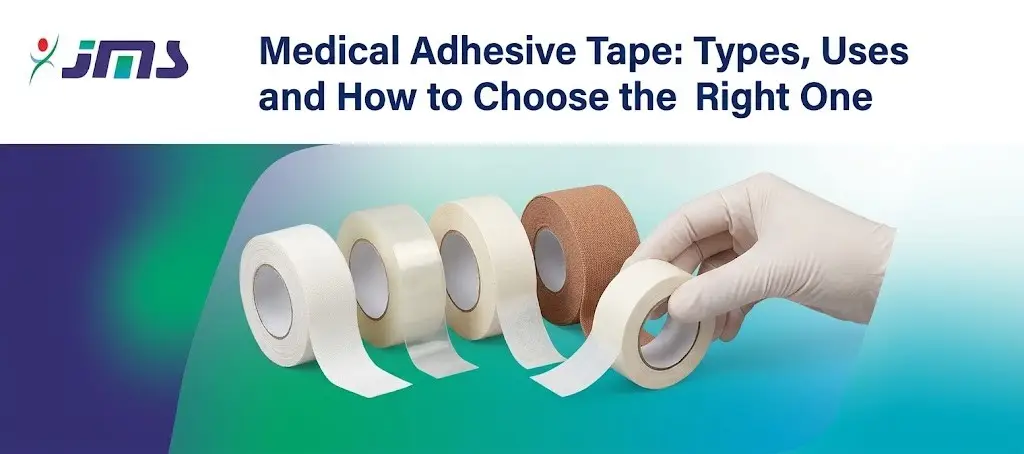
Medical Adhesive Tape: Types, Uses and How to Choose the Right One

Medical adhesive tape is a commonly used healthcare product found in hospitals, clinics, pharmacies, and home-care settings. It helps secure dressings, bandages, tubes, and other medical materials in place. Although medical adhesive tape may look simple, different types are designed for different purposes. Some tapes are suitable for securing dressings, while others are designed for delicate skin or longer wear. Therefore, choosing the right medical adhesive tape can help improve comfort, support proper wound care, and keep medical materials securely positioned. What Is Medical Adhesive Tape? Medical adhesive tape is a healthcare product designed to attach or secure medical materials to the skin or other suitable surfaces. It may be used with: • Gauze and wound dressings• Bandages• Medical tubing• Catheters and lines• Surgical dressings• Small medical devices Medical tapes are available in different materials, widths, adhesive strengths, and designs. As a result, healthcare professionals can select a suitable tape based on the patient’s needs and the intended application. Why Is Medical Adhesive Tape Important? Keeping a dressing or medical device securely in place is an important part of patient care. If a dressing moves or becomes loose, the affected area may not remain adequately covered. Suitable medical adhesive tape can help: • Secure wound dressings• Hold gauze in position• Support medical tubing• Reduce unnecessary movement of dressings• Maintain the position of certain medical devices• Support organized patient care Moreover, choosing an appropriate tape can help improve patient comfort, particularly when it needs to remain on the skin for a longer period. Common Types of Medical Adhesive Tape Medical adhesive tapes are available in several varieties. Each type has different characteristics and applications. Common types include: • Paper medical tape• Microporous tape• Transparent medical tape• Cloth medical tape• Waterproof medical tape• Hypoallergenic medical tape• Surgical adhesive tape However, the exact features and recommended uses can vary between products. Therefore, healthcare professionals should check the manufacturer’s instructions before selecting or using a particular tape. Paper Medical Tape Paper medical tape is lightweight and commonly used for general healthcare applications. It can be suitable for securing: • Gauze• Light dressings• Bandages• Tubing in selected situations Paper tape is often easy to tear and remove. In addition, some paper tapes are designed to allow a degree of air and moisture vapour exchange. Therefore, it can be a practical option when strong fixation is not required. Microporous Medical Tape Microporous medical tape is designed with a breathable structure that can allow air and moisture vapour to pass through the tape. It may be used to secure: • Dressings• Gauze• Tubing• Catheters• Other lightweight medical materials Because breathability can be useful for certain applications, microporous tape is often considered when prolonged skin contact is expected. Nevertheless, the tape should always be selected according to the patient’s skin condition and the intended medical application. Cloth Medical Tape Cloth medical tape is generally more durable and may provide stronger fixation than some lightweight tapes. It can be used for applications where a secure hold is required, such as: • Securing dressings• Supporting medical tubing• Holding certain medical devices in place However, stronger adhesion is not always better. For sensitive or fragile skin, a gentler tape may be more appropriate. Transparent Medical Tape Transparent medical tape allows the area underneath the tape to remain partially visible. This can be useful when healthcare professionals need to observe the condition of the surrounding area without immediately removing the tape. Depending on the product, transparent tapes may be used for: • Securing dressings• Fixing medical devices• Supporting catheter-related applications• Protecting selected areas The specific application should always follow the product’s intended use. Waterproof Medical Tape Water-resistant or waterproof medical tapes are designed to provide better resistance to moisture than standard tapes. They may be useful in situations where exposure to water or moisture is expected. However, waterproof does not mean that every medical tape can be submerged or used for every type of wound. Therefore, users should check the product specifications before use. Hypoallergenic Medical Tape Some people may have sensitive skin or may develop irritation from certain adhesives. Hypoallergenic medical tapes are designed to reduce the likelihood of skin irritation for suitable users. However, no adhesive can guarantee that a person will never experience a skin reaction. Therefore, healthcare professionals should consider the patient’s skin condition and previous sensitivity when selecting a medical tape. Surgical Adhesive Tape Surgical adhesive tapes are designed for specific healthcare and wound-care applications. They may be used to secure dressings or support certain wound-care procedures, depending on the product. Some surgical tapes are designed to provide strong yet flexible fixation. Others may focus more on breathability or gentle removal. As a result, the correct product should be selected according to the procedure, location, skin condition, and manufacturer’s recommendations. Uses of Medical Adhesive Tape Medical adhesive tape has many applications across healthcare settings. Common uses include: • Securing wound dressings• Holding gauze in place• Fixing bandages• Securing medical tubing• Supporting certain catheters and lines• Holding selected medical devices• Supporting routine wound-care procedures Furthermore, healthcare professionals may use different tapes depending on the patient’s condition and the specific procedure being performed. How to Choose the Right Medical Adhesive Tape Choosing medical tape should involve more than simply selecting the strongest adhesive. Several factors should be considered. Consider the Intended Use First, determine what the tape needs to secure. For example, lightweight paper tape may be suitable for certain dressings, while a stronger tape may be required for some medical devices. Therefore, always match the tape to its intended application. Consider the Patient’s Skin Skin condition is another important factor. Patients with sensitive, fragile, or easily irritated skin may require a gentler adhesive product. In contrast, a stronger adhesive may be appropriate for some applications where secure fixation is essential. Thus, patient comfort and skin condition should be considered alongside holding strength. Consider Adhesive Strength Medical tapes come with different levels of adhesion. A tape with insufficient adhesion may come loose too easily. On the other hand,

Medical Adhesive Tape: Types, Uses and How to Choose the Right One Read More Âť

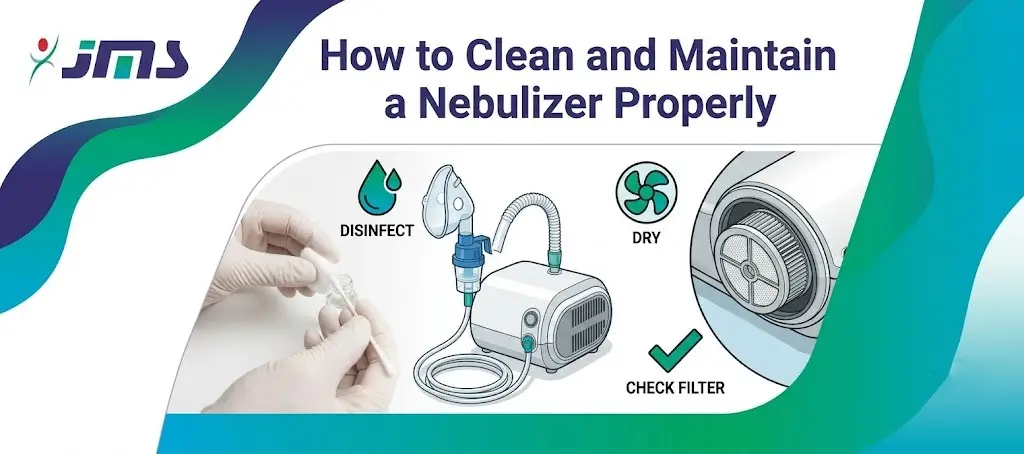
How to Clean and Maintain a Nebulizer Properly

Nebulizers are commonly used to deliver prescribed medicines directly into the lungs. They can be useful for people who need inhaled medication but may have difficulty using certain inhalers correctly. However, a nebulizer needs proper cleaning and maintenance after use. Medicine residue, moisture, and microorganisms can build up inside the equipment if it is not cleaned properly. Therefore, regular cleaning is important for maintaining the hygiene and performance of the device. Whether used at home, in a clinic, or in a hospital, knowing how to clean and maintain a nebulizer properly can help support safer respiratory care. What Is a Nebulizer? A nebulizer is a medical device that changes liquid medicine into a fine mist. The patient then breathes this mist through a mouthpiece or mask so that the medicine can reach the lungs. A typical nebulizer setup may include: • Compressor• Medicine cup• Tubing• Mouthpiece or mask• Air filter, depending on the device Because several parts are involved, each component should be handled and maintained according to the manufacturer’s instructions. Why Is Nebulizer Cleaning Important? A nebulizer comes into contact with medication, moisture, and the patient’s breathing passages. As a result, its components can become contaminated when they are not cleaned properly. Regular cleaning can help: • Reduce the buildup of medicine residue• Maintain better equipment hygiene• Reduce contamination risks• Keep the nebulizer ready for the next use• Support proper delivery of prescribed medication• Extend the useful life of suitable components Therefore, cleaning should be considered an important part of routine nebulizer care. When Should You Clean a Nebulizer? The nebulizer should generally be cleaned after each use, unless the manufacturer provides different instructions. After completing a treatment, leftover medicine should not simply be left inside the medicine cup. Instead, the reusable components should be cleaned as directed. In addition, some nebulizer parts may require regular disinfection or replacement. The exact schedule can vary depending on the device and manufacturer. How to Clean a Nebulizer After Each Use Cleaning a nebulizer does not have to be complicated. However, the steps should be followed carefully. A basic cleaning routine may include: • Turn off the nebulizer and disconnect it from the power supply.• Separate the removable components according to the manufacturer’s instructions.• Empty any remaining medication from the medicine cup.• Clean the reusable parts as instructed by the manufacturer.• Rinse applicable components with clean water when recommended.• Allow the components to air-dry completely in a clean area.• Reassemble the device only after the parts are completely dry. Importantly, do not wash the compressor, electrical components, or tubing unless the manufacturer specifically states that they are washable. How to Disinfect Nebulizer Components Regular cleaning and disinfection are not always the same thing. Cleaning removes visible residue and dirt, while disinfection is intended to reduce microorganisms on suitable equipment surfaces. Some nebulizer components may require periodic disinfection based on the manufacturer’s instructions. Depending on the device, the manufacturer may recommend a particular disinfecting method. Therefore, users should always follow the instructions supplied with their nebulizer rather than using household cleaning products without checking first. How to Clean the Nebulizer Mask or Mouthpiece The mask or mouthpiece comes into direct contact with the user’s face or mouth. Therefore, these components require careful cleaning. After use: • Separate the mask or mouthpiece from the nebulizer.• Clean it according to the manufacturer’s instructions.• Rinse it if the instructions recommend rinsing.• Place it in a clean area to air-dry completely.• Store it in a clean, dry location after drying. Furthermore, these components should not be shared between people unless they are specifically designed and approved for such use with appropriate cleaning and disinfection procedures. What About the Nebulizer Tubing? Nebulizer tubing connects the compressor to the medicine cup and plays an important role in the system. However, tubing should not automatically be washed or submerged in water. Moisture inside the tubing can interfere with proper operation and may encourage contamination. Therefore, follow the manufacturer’s instructions regarding tubing care. If the tubing becomes visibly contaminated, damaged, or difficult to use, it may need to be replaced. How to Keep the Nebulizer Dry Moisture is one of the important factors to consider when maintaining a nebulizer. After cleaning, reusable components should be allowed to dry completely before storage. To maintain better hygiene: • Place cleaned parts on a clean, dry surface.• Allow them to air-dry completely.• Avoid storing wet components inside a closed container.• Keep the equipment away from dust and moisture.• Store the device according to the manufacturer’s recommendations. As a result, proper drying can help maintain cleaner equipment between treatments.   How to Maintain the Nebulizer Compressor The compressor is the main electrical unit of many nebulizers. Unlike removable components, it should not be washed or submerged in water. Instead, users should: • Keep the compressor on a clean and dry surface.• Wipe the exterior according to the manufacturer’s instructions.• Keep the air vents free from dust and obstruction.• Check the power cord and plug for visible damage.• Follow the recommended maintenance instructions. If the compressor develops unusual sounds, overheating, or other problems, it should be inspected according to the manufacturer’s guidance. When Should Nebulizer Parts Be Replaced? Nebulizer components do not necessarily last forever. Some parts may need regular replacement depending on the device, frequency of use, and manufacturer’s recommendations. Replacement may be necessary if a component is: • Cracked or damaged• Discoloured or visibly contaminated• Difficult to clean• Showing signs of wear• Not functioning properly• Past the manufacturer’s recommended replacement period Therefore, users should check the product manual and replace components when required. Common Nebulizer Cleaning Mistakes to Avoid Even when users clean their nebulizers regularly, certain mistakes can affect equipment hygiene. Avoid: • Leaving medication inside the medicine cup• Storing components while they are still wet• Using unsuitable household cleaning chemicals• Washing electrical components• Ignoring damaged or cracked parts• Using expired or contaminated supplies• Sharing equipment without appropriate cleaning and disinfection Additionally, users should avoid modifying the nebulizer or its components without

How to Clean and Maintain a Nebulizer Properly Read More Âť

Why Better Medical Supplies Matter for Safer Hospital Infection Control

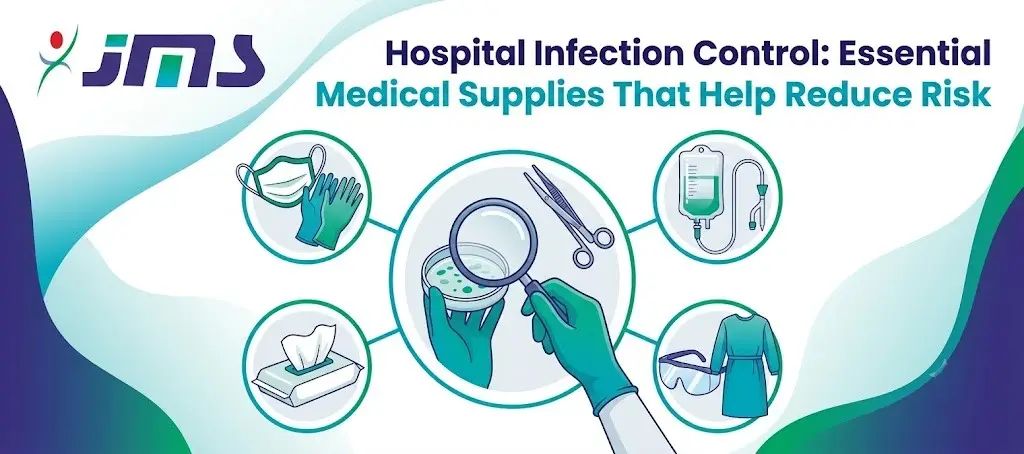
Hospital Infection Control plays an essential role in reducing infection risks and maintaining safer healthcare environments. Effective Medical Infection Control depends on proper hygiene practices and reliable Infection Prevention Supplies. Using quality Hospital Safety Supplies also strengthens Healthcare Infection Prevention, helping protect patients, healthcare professionals, and visitors from potential exposure to harmful microorganisms. Hospitals and healthcare facilities treat many patients every day. As a result, maintaining a clean and safe healthcare environment is essential for protecting patients, doctors, nurses, and other healthcare workers. Hospital infection control focuses on reducing the spread of harmful microorganisms within healthcare settings. While proper hygiene and safety procedures are important, medical supplies also play a major role in supporting infection prevention. Therefore, using suitable medical consumables, disposable products, and protective supplies can help healthcare facilities maintain better hygiene and reduce infection risks. What Is Hospital Infection Control? Hospital infection control refers to the practices used to prevent and reduce the spread of infections in healthcare facilities. These practices are important because microorganisms can spread through contaminated hands, medical equipment, surfaces, wounds, and healthcare waste. Hospital infection control commonly includes: • Proper hand hygiene• Safe use of medical supplies• Cleaning and disinfection• Correct waste disposal• Use of protective products• Safe wound care practices Moreover, healthcare staff must follow infection prevention procedures consistently to maintain patient safety. Why Infection Control Is Important in Hospitals Patients in hospitals may have weakened immune systems, open wounds, or other health conditions. Therefore, they may be more vulnerable to infections. Effective infection control helps: • Protect patients from avoidable infections• Reduce contamination risks• Support safer medical procedures• Protect healthcare professionals• Maintain hospital hygiene• Improve overall patient care As a result, infection prevention remains an important responsibility for every healthcare facility. Role of Medical Supplies in Infection Prevention Medical supplies are used during almost every stage of patient care. From wound dressing to surgical procedures, suitable healthcare products help professionals maintain safer working conditions. Essential medical supplies can help: • Create protective barriers• Reduce direct contact with contaminated materials• Support safe wound care• Maintain cleaner treatment areas• Improve healthcare hygiene practices Therefore, choosing suitable and reliable medical products is an important part of hospital infection control. Medical Gloves for Safer Patient Care Medical gloves are commonly used to reduce direct contact with blood, body fluids, and contaminated materials. Different healthcare activities may require different types of gloves. Common options include: • Surgical gloves• Examination gloves• Sterile gloves• Non-sterile gloves• Nitrile gloves Additionally, gloves should be changed between appropriate patient care activities and disposed of correctly after use. Gauze and Wound Dressing Products Wound care products are essential for managing injuries, surgical wounds, and other skin damage. Gauze swabs, absorbent cotton, and suitable wound dressings help healthcare professionals clean, cover, and protect wound areas. These products can support: • Clean wound care procedures• Absorption of wound fluids• Protection of the wound area• Reduced unnecessary contamination• Better wound management Consequently, quality wound care supplies are important for both patient safety and infection prevention. Disposable Medical Products Disposable medical products are designed for limited or single-use applications, depending on the product and manufacturer instructions. Common disposable healthcare supplies may include: • Medical gloves• Certain wound care products• Disposable protective items• Medical consumables• Procedure-related supplies Moreover, correct use and disposal of suitable single-use products can help reduce cross-contamination risks. Sterile Medical Supplies Sterile medical supplies are especially important during procedures where contamination risks must be carefully controlled. These products may include sterile gauze, wound dressings, surgical gloves, and other procedure-related supplies. Using suitable sterile medical products helps: • Support safer medical procedures• Reduce exposure to microorganisms• Maintain clinical hygiene• Protect sensitive wound areas• Improve infection prevention practices Therefore, healthcare facilities should store and handle sterile products carefully. Medical Cotton and Absorbent Products Medical cotton products are widely used in hospitals, clinics, and treatment centres. Absorbent cotton may be used for cleaning, applying solutions, or supporting different patient care procedures. Quality absorbent products should be: • Clean and suitable for medical use• Highly absorbent• Easy to handle• Properly stored• Used according to their intended purpose Furthermore, healthcare professionals should avoid using damaged or contaminated medical products. Importance of Protective Medical Supplies Protective healthcare supplies help create a barrier between healthcare workers and potential sources of contamination. Depending on the healthcare activity, suitable protective products may help reduce exposure to infectious materials. Proper use of protective supplies supports: • Healthcare worker safety• Patient protection• Better hygiene practices• Reduced contamination risks• Safer clinical environments However, protective products must be used correctly to provide effective support. Safe Storage of Medical Supplies Medical products should be stored properly to protect their quality and packaging. Poor storage conditions may expose healthcare supplies to moisture, dust, damage, or contamination. Healthcare facilities should: • Maintain clean storage areas• Protect products from moisture• Check packaging regularly• Monitor expiry dates• Organize supplies properly• Follow manufacturer storage instructions As a result, proper storage helps healthcare facilities maintain reliable medical supplies. Correct Disposal of Used Medical Products Used medical products may contain contaminated materials. Therefore, they should be disposed of according to applicable biomedical waste management procedures. Healthcare staff should avoid mixing contaminated medical waste with general waste. Proper disposal can help: • Reduce exposure to contaminated materials• Protect waste handlers• Support hospital hygiene• Prevent unsafe reuse• Improve medical waste management Additionally, healthcare facilities should provide staff with suitable waste segregation training. Choosing Quality Medical Supplies for Hospitals Reliable medical supplies support safe and efficient healthcare services. Hospitals and clinics should consider several factors when selecting medical products. These include: • Product quality• Intended medical use• Suitable packaging• Reliable manufacturing• Consistent product availability Therefore, choosing medical products from reliable manufacturers and suppliers can support better hospital operations. Trusted Medical and Healthcare Products by JMS Medicon Looking for reliable medical, surgical, and healthcare products? 📍 JMS Medicon Private LimitedPlot No-85, Padmalava Nagar, Trisulia,Cuttack, Odisha – 754005 📞 Phone: +91 9437040988📧 Email: jmsmedicon@gmail.com🌐 Website: jmsmedicon.com JMS Medicon supports hospitals, clinics, and healthcare facilities with quality medical and surgical products

Why Better Medical Supplies Matter for Safer Hospital Infection Control Read More Âť

The Powerful Truth About Sterile Medical Supplies and Patient Safety

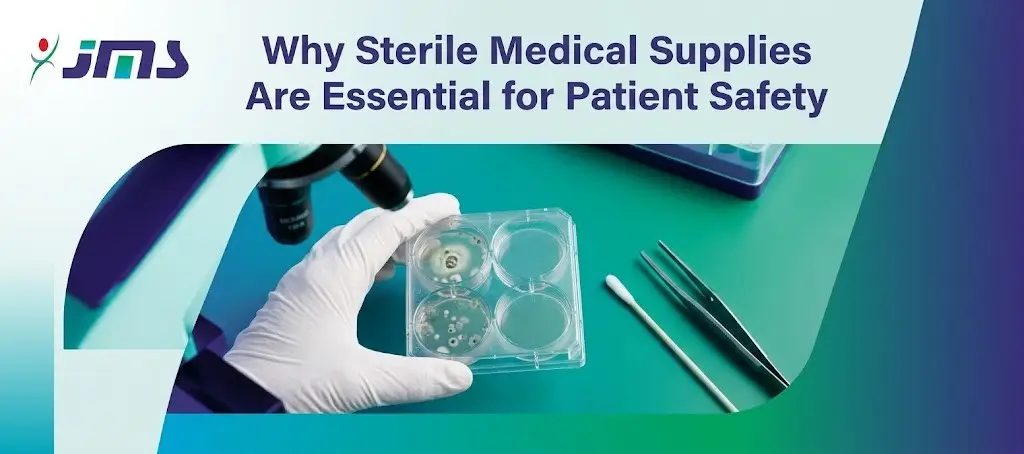
Sterile Medical Supplies play a vital role in protecting patients from infections and supporting safe medical care. Maintaining Patient Safety in Healthcare requires proper Medical Sterilization and the use of reliable Sterile Healthcare Products. High-quality Infection Prevention Supplies also help healthcare professionals reduce contamination risks and maintain hygienic treatment environments. Sterile medical supplies play an important role in maintaining patient safety in hospitals, clinics, and other healthcare facilities. Every day, healthcare professionals use medical products during wound care, surgical procedures, and routine patient treatment. However, medical supplies that come into contact with wounds or certain clinical areas may carry infection risks if proper sterility standards are not maintained. Therefore, using suitable sterile medical supplies is essential for safer patient care. Moreover, proper handling and storage of sterile products help healthcare facilities maintain hygiene and reduce unnecessary exposure to harmful microorganisms. What Are Sterile Medical Supplies? Sterile medical supplies are healthcare products that have undergone a controlled sterilization process to remove or destroy viable microorganisms. These products are commonly used in procedures where infection prevention is especially important. Common sterile medical supplies may include: • Sterile gauze swabs• Sterile wound dressings• Surgical gloves• Certain medical cotton products• Surgical drapes• Procedure-related disposable supplies Therefore, healthcare professionals should select suitable sterile products based on the clinical procedure and patient care requirements. Why Sterility Is Important for Patient Safety Patients may be exposed to microorganisms during medical procedures, wound treatment, or surgery. If contaminated medical products are used, the risk of healthcare-associated infections may increase. Sterile medical supplies help: • Reduce exposure to harmful microorganisms• Support safer wound care• Maintain hygiene during procedures• Protect vulnerable patients• Improve infection control practices As a result, sterility is an important part of modern healthcare safety. Role of Sterile Supplies in Infection Prevention Infection prevention is a major responsibility in every healthcare facility. Sterile products help create a safer environment during procedures that involve wounds, damaged skin, or other infection-sensitive areas. Additionally, proper sterile practices can support: • Better patient protection• Safer clinical procedures• Reduced contamination risks• Improved hospital hygiene• Effective infection control protocols Therefore, healthcare facilities should maintain proper standards when selecting and handling sterile medical supplies. Common Healthcare Areas That Require Sterile Supplies Sterile medical products are used across several healthcare departments. They are commonly required in: • Operation theatres• Emergency departments• Wound care units• Intensive care units• Maternity and delivery rooms• Outpatient procedure rooms• Diagnostic and treatment areas Moreover, the type of sterile supply required may vary depending on the procedure. Importance of Sterile Supplies in Wound Care Open wounds can be vulnerable to contamination and infection. Therefore, sterile wound care products are commonly used during wound cleaning, dressing, and protection. Sterile gauze and dressings can help: • Protect the wound area• Support clean dressing procedures• Absorb wound fluids when appropriate• Reduce unnecessary contamination• Support the healing environment Consequently, selecting suitable wound care products is important for effective patient management. Sterile and Non-Sterile Medical Supplies: Understanding the Difference Sterile and non-sterile medical products are designed for different healthcare applications. Sterile products are processed to meet defined sterility requirements and are commonly used for infection-sensitive procedures. In contrast, non-sterile products may be suitable for general healthcare activities where sterility is not required. Therefore, healthcare professionals should always select medical supplies according to their intended use and clinical requirements. How Improper Handling Can Affect Sterility Even a sterile medical product may become contaminated if it is handled incorrectly. For example, damaged packaging or poor storage conditions may affect product safety. Common handling mistakes include: • Opening sterile packaging too early• Touching sterile areas with unclean hands• Using products from damaged packaging• Storing supplies in unsuitable conditions• Using products beyond their expiry date Therefore, healthcare staff should carefully inspect medical supplies before use. Importance of Proper Storage of Sterile Medical Supplies Proper storage helps maintain the condition and integrity of sterile medical products. Sterile supplies should generally be stored in clean and suitable areas according to product and manufacturer requirements. Healthcare facilities should: • Keep supplies away from moisture• Maintain clean storage spaces• Protect packaging from damage• Organize products properly• Regularly check expiry dates Furthermore, effective inventory management can help prevent the use of unsuitable or expired products. Why Packaging Integrity Matters Packaging acts as an important protective barrier for sterile medical supplies. If packaging is torn, wet, punctured, or otherwise damaged, the sterility of the product may be compromised. Before using a sterile product, healthcare professionals should check: • Package condition• Seal integrity• Product expiry date• Visible signs of damage• Storage condition As a result, simple packaging checks can support better patient safety. Role of Healthcare Workers in Maintaining Sterility Healthcare professionals play an important role in maintaining sterile practices. Proper training and awareness can help reduce contamination during patient care. Healthcare workers should: • Follow hand hygiene practices• Use medical supplies correctly• Avoid unnecessary contact with sterile surfaces• Follow proper opening techniques• Dispose of used medical products safely Moreover, healthcare facilities should regularly reinforce infection prevention and sterile handling procedures. Benefits of Using Quality Sterile Medical Supplies Reliable sterile medical supplies support safer and more efficient healthcare practices. Their benefits include: • Improved infection prevention• Better patient safety• Safer wound management• Support for clinical hygiene• Reliable use during medical procedures Therefore, choosing quality medical products is an important part of healthcare management. Choosing Reliable Sterile Medical Products Healthcare facilities should carefully select medical supplies from reliable manufacturers and suppliers. Important factors may include: • Product quality• Suitable packaging• Clear product information• Manufacturing standards• Reliable supply availability Additionally, healthcare professionals should use each product according to its intended purpose and provided instructions. Trusted Medical and Healthcare Products by JMS Medicon Looking for reliable medical, surgical, and healthcare products? 📍 JMS Medicon Private LimitedPlot No-85, Padmalava Nagar, Trisulia,Cuttack, Odisha – 754005 📞 Phone: +91 9437040988📧 Email: jmsmedicon@gmail.com🌐 Website: jmsmedicon.com JMS Medicon supports healthcare facilities with quality medical and surgical products designed for reliable use in patient care. Supporting Patient Safety with Quality Medical Supplies Sterile medical supplies

The Powerful Truth About Sterile Medical Supplies and Patient Safety Read More Âť

The Powerful Truth About Medical Waste Safety You Need to Know

Medical Waste Segregation plays an important role in maintaining safety and hygiene in healthcare facilities. Proper Medical Waste Disposal and effective Healthcare Waste Management help reduce contamination risks and protect healthcare workers, patients, and the environment. Following correct Biomedical Waste Segregation practices and ensuring Safe Medical Waste Disposal can support a cleaner and safer healthcare system. Medical waste is generated every day in hospitals, clinics, laboratories, and other healthcare facilities. It may include used dressings, contaminated materials, syringes, medical plastics, and other healthcare waste. However, medical waste cannot always be handled like regular household waste. Improper disposal may increase the risk of infection, injuries, and environmental pollution. Therefore, medical waste segregation is an important part of healthcare safety. By separating waste correctly at the point of generation, healthcare facilities can support safer handling, treatment, and disposal. What Is Medical Waste Segregation? Medical waste segregation is the process of separating different types of healthcare waste into suitable containers or bags. The waste is separated based on its type and disposal requirements. For example, healthcare waste may include: • Infectious waste• Contaminated medical materials• Sharps and needles• Medical plastic waste• Glassware• General non-medical waste Moreover, proper segregation helps prevent different waste categories from being mixed together. Why Proper Medical Waste Disposal Is Important Healthcare waste may contain harmful microorganisms, contaminated materials, or sharp objects. If it is handled incorrectly, it may create safety risks for patients, healthcare workers, waste handlers, and the public. Proper disposal helps: • Reduce the risk of infection• Prevent injuries from medical sharps• Improve healthcare hygiene• Support safe waste treatment• Reduce environmental contamination Therefore, responsible medical waste management is essential for safer healthcare facilities. Common Types of Medical Waste Different healthcare activities generate different types of waste. Common examples include: • Used gauze and dressings• Contaminated cotton materials• Syringes and needles• Gloves and medical plastics• Medicine-related waste• Glass bottles and vials• Laboratory waste Additionally, general waste such as paper and food waste should be kept separate from biomedical waste. Importance of Segregating Waste at the Source Medical waste should be separated where it is generated. This may include patient rooms, operation theatres, laboratories, treatment areas, and other clinical spaces. Segregating waste at the source helps: • Prevent unnecessary mixing of waste• Improve waste collection• Support safer transportation• Reduce handling risks• Make treatment and disposal more efficient As a result, healthcare workers play an important role in proper waste segregation. Colour-Coded Waste Segregation in Healthcare Colour-coded containers and bags help healthcare workers identify different biomedical waste categories. Under India’s biomedical waste management framework, waste is segregated into specified colour-coded categories, including yellow, red, white, and blue. Each category is intended for specific types of biomedical waste. Therefore, healthcare facilities should follow applicable waste management guidelines and ensure that staff understand the correct segregation process. Risks of Improper Medical Waste Disposal Improper waste disposal may create several health and environmental risks. These may include: • Spread of infections• Needle-stick injuries• Exposure to contaminated materials• Unsafe reuse of medical waste• Soil and water contamination• Increased risk for waste handlers Consequently, poor waste management can affect both healthcare safety and the surrounding environment. Role of Healthcare Workers in Waste Management Healthcare workers are directly involved in the generation and handling of medical waste. Therefore, proper training and awareness are important. Healthcare staff should: • Identify different waste categories• Use the correct waste containers• Avoid mixing biomedical and general waste• Handle sharps carefully• Follow facility waste management procedures Furthermore, regular training can help improve waste segregation practices across healthcare facilities. Safe Handling of Sharps and Needles Needles, blades, and other sharp medical items require careful handling. These items may cause injuries and increase the risk of exposure to contaminated blood or body fluids. For safer handling: • Use designated puncture-resistant containers• Dispose of sharps immediately after use• Avoid placing sharps in general waste bins• Follow established healthcare safety procedures Thus, proper sharps disposal helps protect healthcare workers and waste handlers. How Proper Segregation Supports Infection Control Infection control is a major priority in hospitals and clinics. Medical waste segregation supports infection prevention by reducing unnecessary contact with contaminated materials. It can help: • Maintain cleaner healthcare environments• Reduce exposure to infectious waste• Improve safe waste handling• Support hospital hygiene practices• Protect healthcare staff and patients Therefore, effective waste segregation is closely connected with better healthcare safety. Environmental Benefits of Proper Medical Waste Disposal Medical waste management is not only important for healthcare facilities. It also affects the environment. Incorrect disposal may contribute to soil, water, and environmental contamination. On the other hand, proper waste segregation can support: • Safer waste treatment• Better recycling of suitable materials• Reduced environmental contamination• Responsible healthcare waste management• Improved sustainability practices As a result, healthcare facilities can contribute to both patient safety and environmental protection. Common Medical Waste Segregation Mistakes Even simple mistakes can affect the waste management process. Common errors include: • Mixing general and biomedical waste• Using incorrect waste containers• Overfilling waste bags or containers• Disposing of sharps incorrectly• Poor labelling of waste containers• Lack of staff training However, regular monitoring and proper training can help reduce these mistakes. Importance of Quality Medical Consumables Quality medical consumables support safer healthcare practices. Reliable products such as medical cotton, gauze, dressings, and other healthcare supplies help professionals maintain proper hygiene and patient care standards. Moreover, using dependable medical products can support efficient healthcare operations and safer clinical practices. Trusted Medical and Healthcare Products by JMS Medicon Looking for reliable medical and healthcare products? 📍 JMS Medicon Private LimitedPlot No-85, Padmalava Nagar, Trisulia,Cuttack, Odisha – 754005 📞 Phone: +91 9437040988📧 Email: jmsmedicon@gmail.com🌐 Website: jmsmedicon.com Supporting Safer Healthcare Through Responsible Waste Management Medical waste segregation is an essential part of healthcare safety and hygiene. Proper separation, handling, and disposal of healthcare waste can help reduce infection risks, prevent injuries, and protect the environment. By following proper waste management practices and using reliable medical supplies, healthcare facilities can create safer environments for patients, healthcare professionals, and waste handlers.

The Powerful Truth About Medical Waste Safety You Need to Know Read More Âť

Essential Pulse Oximeter Benefits You Need to Know

Pulse Oximeter Uses have become increasingly important for monitoring oxygen levels and supporting respiratory health. By enabling accurate Blood Oxygen Monitoring, these devices help individuals track Oxygen Saturation Levels quickly and conveniently. Understanding Pulse Oximeter Benefits is essential for patients with respiratory or cardiovascular conditions, while Home Health Monitoring allows early detection of potential health issues and better management of overall well-being. Pulse Oximeter Uses are widely recognized in both clinical and home settings for assessing oxygen levels and overall health status. The growing importance of Pulse Oximeter Uses lies in their ability to provide quick and noninvasive Blood Oxygen Monitoring, helping individuals keep track of Oxygen Saturation Levels. Healthcare professionals often recommend Pulse Oximeter Uses for patients with respiratory illnesses, heart conditions, or those recovering from infections. In addition, Pulse Oximeter Uses support timely medical intervention by identifying abnormal Oxygen Saturation Levels before symptoms become severe. Understanding Pulse Oximeter Benefits can help individuals make informed decisions about their health and improve disease management. With advances in technology, Pulse Oximeter Uses have also become an essential part of Home Health Monitoring, allowing patients to monitor their condition conveniently and safely from home. Monitoring oxygen levels is an important part of maintaining overall health, especially for individuals with respiratory conditions or certain medical illnesses. A pulse oximeter is a simple and non-invasive device that helps measure blood oxygen saturation and pulse rate quickly and accurately. Therefore, pulse oximeters have become essential tools in hospitals, clinics, and even home healthcare settings. They help provide valuable information about a person’s oxygen levels and can assist in early detection of potential health issues. What Is a Pulse Oximeter? A pulse oximeter is a small electronic device that is usually placed on the fingertip to measure oxygen saturation (SpO2) in the blood and monitor heart rate. The device works by using light sensors to estimate how much oxygen is being carried by red blood cells. It is commonly used because it is: • Quick and easy to use• Non-invasive and painless• Portable and lightweight• Suitable for both adults and children Moreover, it provides immediate readings, making it useful for routine monitoring and emergency situations. Why Monitoring Oxygen Levels Is Important Maintaining adequate oxygen levels is essential for proper functioning of the body’s organs and tissues. Monitoring oxygen saturation helps: • Detect low oxygen levels early• Support timely medical intervention• Track recovery from illnesses• Assist in managing chronic respiratory conditions• Improve patient safety Consequently, regular monitoring can help prevent serious complications. Common Uses of a Pulse Oximeter Pulse oximeters are widely used in various healthcare settings. They are commonly used for: • Monitoring respiratory conditions• Assessing oxygen levels after surgery• Tracking patients with asthma or COPD• Checking oxygen saturation during illness• Monitoring fitness and physical activity Additionally, they are often used during emergency care and routine health checkups. Benefits of Using a Pulse Oximeter A pulse oximeter offers several advantages for both healthcare professionals and patients. Its benefits include: • Fast and accurate readings• Convenient home monitoring• Early detection of oxygen deficiency• Improved patient management• Reduced need for invasive procedures Therefore, it has become an important device for healthcare monitoring. Who Can Benefit from a Pulse Oximeter? Several individuals may benefit from regular oxygen level monitoring. These include: • People with asthma• Patients with chronic obstructive pulmonary disease (COPD)• Individuals recovering from respiratory infections• Elderly individuals• Patients with heart conditions• Athletes monitoring physical performance Furthermore, doctors may recommend pulse oximeters for long-term monitoring in specific medical conditions. How to Use a Pulse Oximeter Correctly Using a pulse oximeter is simple and usually takes only a few seconds. For accurate readings: • Place the device on a clean fingertip• Keep your hand relaxed and still• Remove nail polish if possible• Wait for the reading to stabilize• Follow the manufacturer’s instructions Additionally, repeated measurements can help provide more consistent results. Understanding Pulse Oximeter Readings A pulse oximeter mainly provides two measurements: • Oxygen saturation (SpO2)• Pulse rate Normal oxygen saturation levels are generally considered to be between 95% and 100% for most healthy individuals. However, readings may vary depending on age, health conditions, and medical advice. Factors That Can Affect Accuracy Certain factors may influence pulse oximeter readings. These include: • Cold hands or poor circulation• Excessive movement during measurement• Nail polish or artificial nails• Improper placement of the device• Low battery levels Therefore, proper usage is important to obtain reliable results. Importance of Pulse Oximeters in Home Healthcare Home healthcare monitoring has become increasingly important in recent years. Pulse oximeters help families: • Monitor health conditions easily• Detect potential breathing problems early• Reduce unnecessary hospital visits• Support recovery and ongoing treatment As a result, they have become valuable additions to home medical kits. Choosing a Quality Pulse Oximeter Selecting a reliable device helps ensure accurate and dependable readings. A good pulse oximeter should offer: • Easy-to-read display• Fast measurement results• Comfortable finger fit• Portable design• Durable construction Moreover, choosing quality healthcare products contributes to better patient care and monitoring. Trusted Medical and Healthcare Products by JMS Medicon Looking for reliable healthcare and medical monitoring products? 📍 JMS Medicon Private LimitedPlot No-85, Padmalava Nagar, Trisulia,Cuttack, Odisha – 754005 📞 Phone: +91 9437040988📧 Email: jmsmedicon@gmail.com🌐 Website: jmsmedicon.com Supporting Better Health Through Early Monitoring A pulse oximeter is a simple yet valuable device that helps monitor oxygen levels and pulse rate efficiently. Its ease of use, portability, and ability to provide quick results make it an essential tool in hospitals, clinics, and home healthcare. By using reliable medical devices and monitoring oxygen levels regularly, individuals can take proactive steps toward maintaining better health and overall well-being.

Essential Pulse Oximeter Benefits You Need to Know Read More Âť