12 Must-Know Quality Checks for Safe and Reliable Medical Products
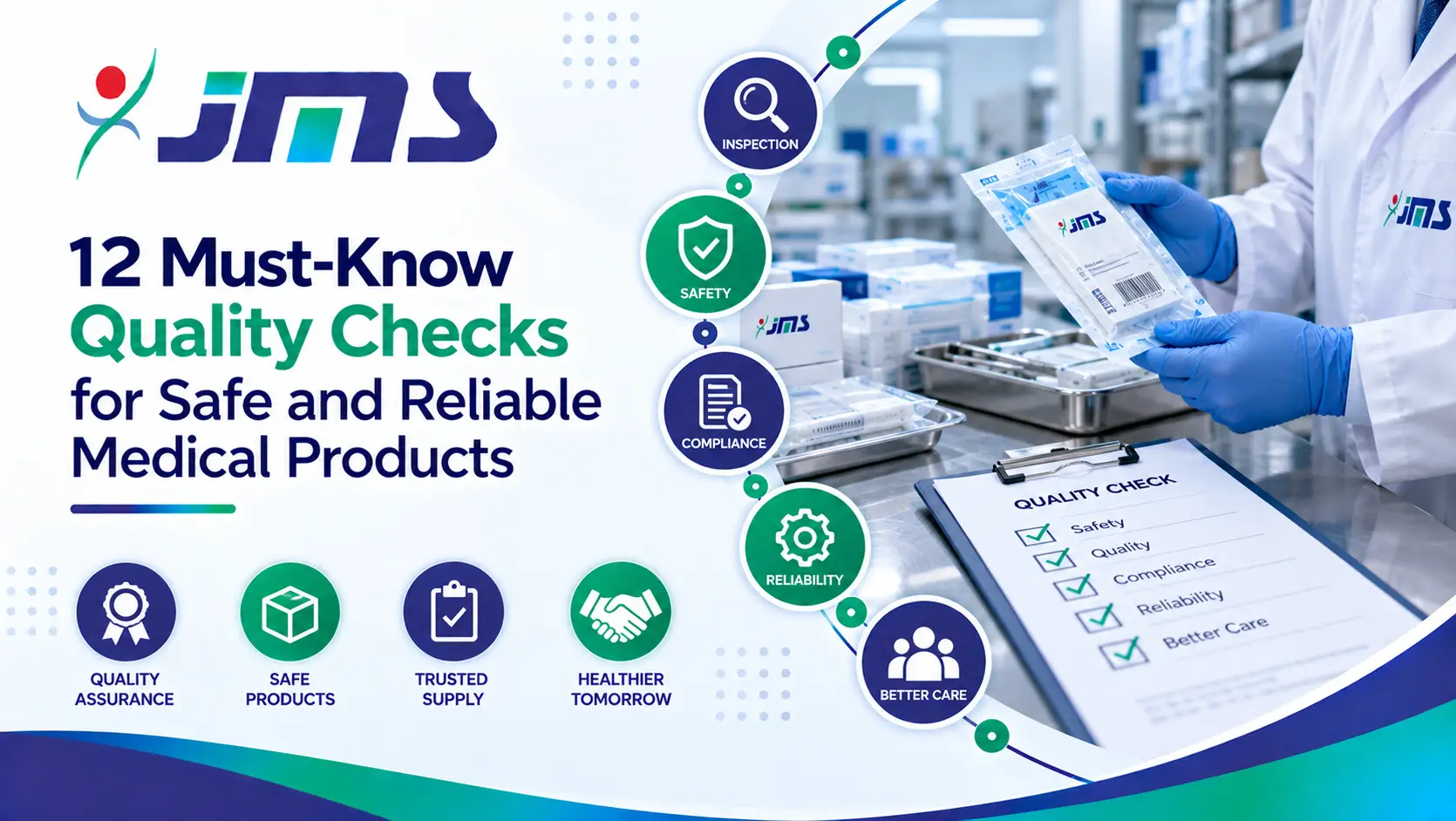
Healthcare facilities depend on medical products that are consistent, clearly specified, properly packaged, and manufactured under appropriate quality processes. Products such as medical gloves, cotton, gauze, surgical tapes, orthopedic supplies, dressings, and medical devices may be used regularly in hospitals, clinics, diagnostic centres, and other healthcare environments. For healthcare buyers, product quality is not determined by appearance or price alone. Consistent manufacturing processes, product inspection, accurate specifications, packaging checks, and appropriate manufacturing standards all contribute to a more reliable healthcare supply chain. Understanding these quality factors can help hospitals, clinics, distributors, and procurement teams make more informed purchasing decisions. What Does Quality Mean in Healthcare Products? Quality in healthcare products involves more than simply producing an item that looks acceptable. A quality-focused manufacturing process aims to achieve consistency in areas such as: Raw material selection Manufacturing processes Product dimensions Physical characteristics Packaging Labelling Batch consistency Storage requirements Applicable quality and regulatory requirements The specific quality requirements vary depending on the product and its intended use. Therefore, healthcare buyers should always review the manufacturer’s product specifications and applicable documentation. 1. Importance of Consistent Quality Processes Consistency is one of the most important aspects of medical product manufacturing. Healthcare facilities often purchase the same products repeatedly. If product characteristics vary significantly between batches, it can make procurement, inventory management, and product use more difficult. A consistent quality process can help manufacturers maintain predictable product characteristics from one production batch to another. Why Consistency Matters Consistent processes can help support: Uniform product characteristics Reliable manufacturing output Better inventory planning Easier product comparison Reduced variation between batches Greater confidence among healthcare buyers For example, when a healthcare facility repeatedly purchases a particular type of medical cotton, gloves, or gauze, consistent specifications can make routine procurement more predictable. 2. Importance of Product Inspection Inspection is an important part of quality management. Depending on the product, inspection may involve checking physical characteristics, dimensions, appearance, packaging, labelling, or other defined requirements. The exact inspection process should be based on the product’s specifications and applicable quality procedures. Inspection Can Help Identify Visible defects Incorrect dimensions Packaging problems Labelling issues Product inconsistencies Damage during handling or production Inspection does not replace a complete quality-management system, but it can be an important component of maintaining product consistency. 3. Why Clear Product Specifications Matter Product specifications provide measurable or defined information about what a product is supposed to be. For healthcare buyers, clear specifications make it easier to understand whether a product is suitable for its intended application. Specifications may include: Product name Material Size Dimensions Weight Quantity Product composition Intended application Packaging format Shelf life, where applicable Storage requirements Example A healthcare buyer purchasing cotton should know whether the requirement is for absorbent cotton, cotton rolls, dental cotton rolls, or another product format. Similarly, a buyer ordering medical gloves may need to consider material, size, intended application, packaging, and other product-specific characteristics. Clear specifications reduce ambiguity and help procurement teams compare products more effectively. 4. Packaging Checks Are an Important Quality Step Packaging is not simply an outer covering. It can help protect medical products during manufacturing, transportation, storage, and handling. Packaging checks can help identify problems such as: Torn packaging Punctures Broken seals Moisture damage Incorrect labels Damaged cartons Missing product information For products where packaging integrity is important, healthcare facilities should inspect packaging before placing products into use. If packaging appears compromised, the product should be handled according to the facility’s quality and safety procedures. 5. Manufacturing Standards and Quality Management Medical products should be manufactured under processes appropriate to their product category and intended application. Manufacturing standards and quality-management systems can provide a structured framework for areas such as: Production control Quality assurance Documentation Inspection Traceability Corrective actions Process monitoring Product release The specific standards or regulatory requirements applicable to a product depend on factors such as the product category, intended use, market, and applicable regulations. Healthcare buyers should therefore avoid assuming that one certification or standard applies equally to every medical product. 6. Raw Material Quality The quality of a finished healthcare product can be influenced by the materials used to manufacture it. Manufacturers may establish processes for selecting, receiving, evaluating, and controlling raw materials according to their quality systems and product requirements. For products such as medical cotton, gauze, gloves, tapes, and other consumables, appropriate raw material selection can contribute to consistent finished-product characteristics. Healthcare buyers can ask suppliers about relevant material specifications and quality documentation when appropriate. 7. Batch and Lot Traceability Traceability can be particularly useful in healthcare product supply chains. Batch or lot information can help manufacturers and buyers identify products associated with a particular production batch. Depending on the product, traceability information may support: Inventory management Quality investigations Product identification Expiry monitoring Complaint handling Product recalls, where necessary Healthcare facilities should maintain relevant batch or lot information according to their own procedures and applicable requirements. 8. Quality Checks Should Continue Beyond Manufacturing Quality does not end when a product leaves the production line. Products can potentially be affected by transportation, handling, storage, and distribution. A healthcare facility can therefore perform appropriate checks when receiving supplies. Receiving Inspection Checklist Before accepting products into inventory, buyers or receiving teams can check: Product: Is the correct product supplied? Quantity: Does the delivered quantity match the order? Packaging: Is the packaging intact? Labelling: Are product details and batch/lot information clear? Expiry: Is the product within its stated shelf life? Condition: Is there visible damage, contamination, or moisture exposure? Documentation: Is required product documentation available? These checks can help identify issues before products enter regular inventory. 9. Storage and Quality Go Together Even products manufactured under appropriate quality processes need suitable storage after delivery. Healthcare facilities should follow manufacturer storage instructions and protect products from conditions that could affect their quality or packaging. General considerations may include: Clean storage areas Moisture control Appropriate temperature according to manufacturer instructions Protection from direct sunlight where applicable Protection from physical damage Original packaging protection Proper stock organization Expiry
12 Must-Know Quality Checks for Safe and Reliable Medical Products Read More »