
Sterile Medical Supplies play a vital role in protecting patients from infections and supporting safe medical care. Maintaining Patient Safety in Healthcare requires proper Medical Sterilization and the use of reliable Sterile Healthcare Products. High-quality Infection Prevention Supplies also help healthcare professionals reduce contamination risks and maintain hygienic treatment environments.
Sterile medical supplies play an important role in maintaining patient safety in hospitals, clinics, and other healthcare facilities. Every day, healthcare professionals use medical products during wound care, surgical procedures, and routine patient treatment.
However, medical supplies that come into contact with wounds or certain clinical areas may carry infection risks if proper sterility standards are not maintained. Therefore, using suitable sterile medical supplies is essential for safer patient care.
Moreover, proper handling and storage of sterile products help healthcare facilities maintain hygiene and reduce unnecessary exposure to harmful microorganisms.
What Are Sterile Medical Supplies?
Sterile medical supplies are healthcare products that have undergone a controlled sterilization process to remove or destroy viable microorganisms.
These products are commonly used in procedures where infection prevention is especially important.
Common sterile medical supplies may include:
• Sterile gauze swabs
• Sterile wound dressings
• Surgical gloves
• Certain medical cotton products
• Surgical drapes
• Procedure-related disposable supplies
Therefore, healthcare professionals should select suitable sterile products based on the clinical procedure and patient care requirements.
Why Sterility Is Important for Patient Safety
Patients may be exposed to microorganisms during medical procedures, wound treatment, or surgery.
If contaminated medical products are used, the risk of healthcare-associated infections may increase.
Sterile medical supplies help:
• Reduce exposure to harmful microorganisms
• Support safer wound care
• Maintain hygiene during procedures
• Protect vulnerable patients
• Improve infection control practices
As a result, sterility is an important part of modern healthcare safety.
Role of Sterile Supplies in Infection Prevention
Infection prevention is a major responsibility in every healthcare facility.
Sterile products help create a safer environment during procedures that involve wounds, damaged skin, or other infection-sensitive areas.
Additionally, proper sterile practices can support:
• Better patient protection
• Safer clinical procedures
• Reduced contamination risks
• Improved hospital hygiene
• Effective infection control protocols
Therefore, healthcare facilities should maintain proper standards when selecting and handling sterile medical supplies.
Common Healthcare Areas That Require Sterile Supplies
Sterile medical products are used across several healthcare departments.
They are commonly required in:
• Operation theatres
• Emergency departments
• Wound care units
• Intensive care units
• Maternity and delivery rooms
• Outpatient procedure rooms
• Diagnostic and treatment areas
Moreover, the type of sterile supply required may vary depending on the procedure.
Importance of Sterile Supplies in Wound Care
Open wounds can be vulnerable to contamination and infection.
Therefore, sterile wound care products are commonly used during wound cleaning, dressing, and protection.
Sterile gauze and dressings can help:
• Protect the wound area
• Support clean dressing procedures
• Absorb wound fluids when appropriate
• Reduce unnecessary contamination
• Support the healing environment
Consequently, selecting suitable wound care products is important for effective patient management.
Sterile and Non-Sterile Medical Supplies: Understanding the Difference
Sterile and non-sterile medical products are designed for different healthcare applications.
Sterile products are processed to meet defined sterility requirements and are commonly used for infection-sensitive procedures.
In contrast, non-sterile products may be suitable for general healthcare activities where sterility is not required.
Therefore, healthcare professionals should always select medical supplies according to their intended use and clinical requirements.
How Improper Handling Can Affect Sterility
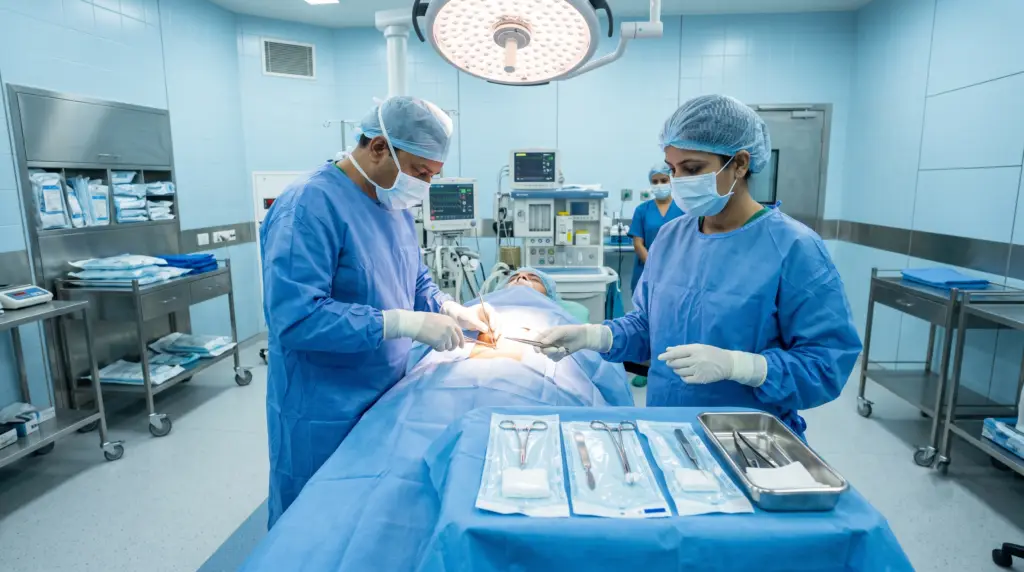
Even a sterile medical product may become contaminated if it is handled incorrectly.
For example, damaged packaging or poor storage conditions may affect product safety.
Common handling mistakes include:
• Opening sterile packaging too early
• Touching sterile areas with unclean hands
• Using products from damaged packaging
• Storing supplies in unsuitable conditions
• Using products beyond their expiry date
Therefore, healthcare staff should carefully inspect medical supplies before use.
Importance of Proper Storage of Sterile Medical Supplies
Proper storage helps maintain the condition and integrity of sterile medical products.
Sterile supplies should generally be stored in clean and suitable areas according to product and manufacturer requirements.
Healthcare facilities should:
• Keep supplies away from moisture
• Maintain clean storage spaces
• Protect packaging from damage
• Organize products properly
• Regularly check expiry dates
Furthermore, effective inventory management can help prevent the use of unsuitable or expired products.
Why Packaging Integrity Matters
Packaging acts as an important protective barrier for sterile medical supplies.
If packaging is torn, wet, punctured, or otherwise damaged, the sterility of the product may be compromised.
Before using a sterile product, healthcare professionals should check:
• Package condition
• Seal integrity
• Product expiry date
• Visible signs of damage
• Storage condition
As a result, simple packaging checks can support better patient safety.
Role of Healthcare Workers in Maintaining Sterility
Healthcare professionals play an important role in maintaining sterile practices.
Proper training and awareness can help reduce contamination during patient care.
Healthcare workers should:
• Follow hand hygiene practices
• Use medical supplies correctly
• Avoid unnecessary contact with sterile surfaces
• Follow proper opening techniques
• Dispose of used medical products safely
Moreover, healthcare facilities should regularly reinforce infection prevention and sterile handling procedures.
Benefits of Using Quality Sterile Medical Supplies
Reliable sterile medical supplies support safer and more efficient healthcare practices.
Their benefits include:
• Improved infection prevention
• Better patient safety
• Safer wound management
• Support for clinical hygiene
• Reliable use during medical procedures
Therefore, choosing quality medical products is an important part of healthcare management.
Choosing Reliable Sterile Medical Products
Healthcare facilities should carefully select medical supplies from reliable manufacturers and suppliers.
Important factors may include:
• Product quality
• Suitable packaging
• Clear product information
• Manufacturing standards
• Reliable supply availability
Additionally, healthcare professionals should use each product according to its intended purpose and provided instructions.
Trusted Medical and Healthcare Products by JMS Medicon
Looking for reliable medical, surgical, and healthcare products?
📍 JMS Medicon Private Limited
Plot No-85, Padmalava Nagar, Trisulia,
Cuttack, Odisha – 754005
📞 Phone: +91 9437040988
📧 Email: jmsmedicon@gmail.com
🌐 Website: jmsmedicon.com
JMS Medicon supports healthcare facilities with quality medical and surgical products designed for reliable use in patient care.
Supporting Patient Safety with Quality Medical Supplies
Sterile medical supplies are essential for maintaining hygiene, reducing contamination risks, and supporting patient safety. From wound care to surgical procedures, suitable sterile products play an important role in everyday healthcare.
By choosing reliable medical supplies, following proper storage practices, and maintaining sterile handling procedures, healthcare facilities can support safer and more effective patient care.
