Wound Care Products

JMS Wound Dressing Essentials Infographic

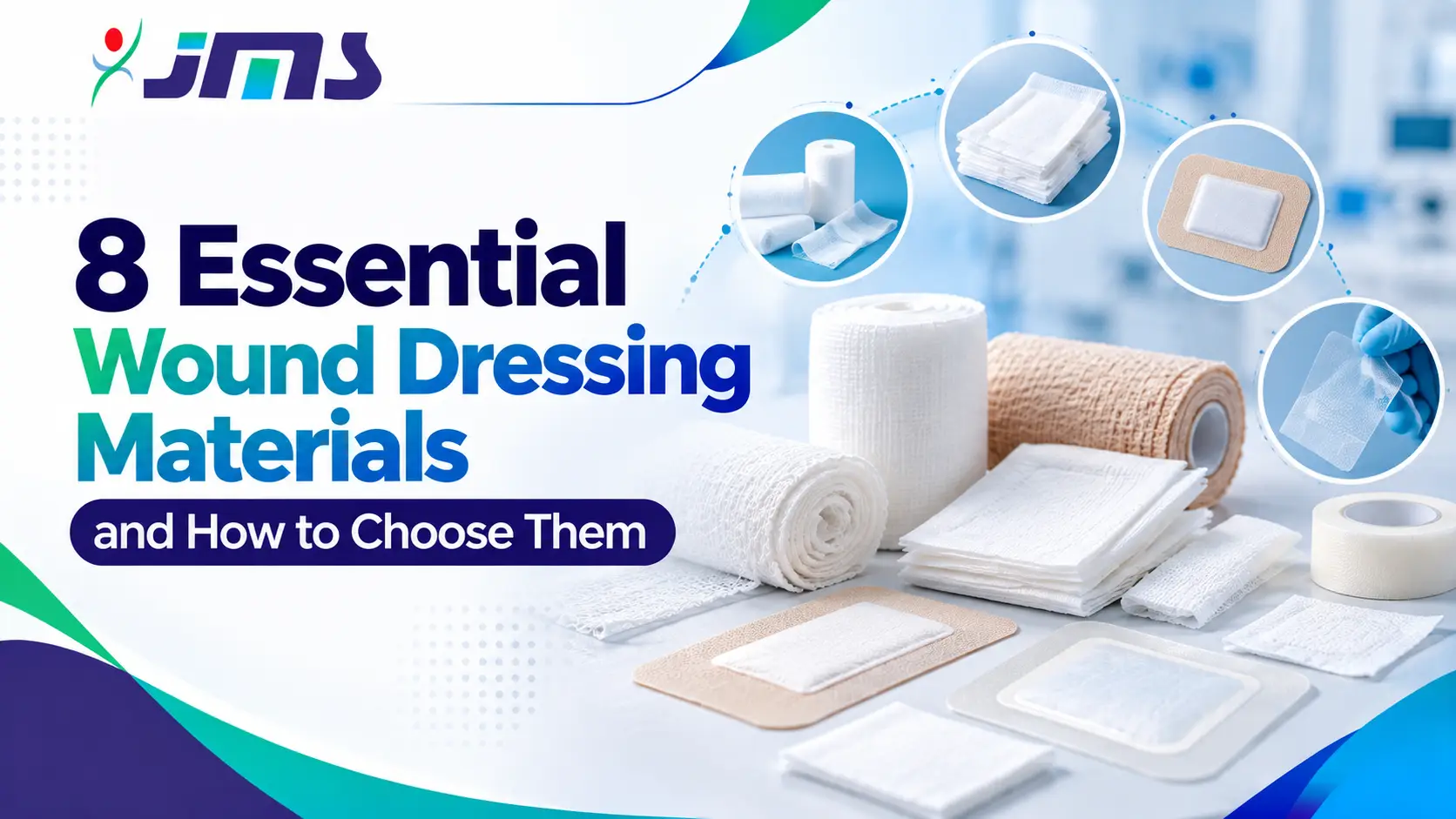
8 Essential Wound Dressing Materials and How to Choose Them

Medical dressing materials play an important role in wound care, surgical procedures, and everyday clinical practice. Hospitals, clinics, nursing homes, and other healthcare facilities rely on suitable dressing products to protect wounds, absorb fluids, maintain cleanliness, and support appropriate wound management. Choosing the right medical dressing materials requires careful consideration of wound characteristics, product specifications, absorbency, sterility, patient needs, and clinical protocols. Different dressing materials serve different purposes, making it important for healthcare professionals and procurement teams to understand their available options. In this guide, we explore eight common types of medical dressing materials and the factors healthcare facilities should consider when selecting them. What Are Medical Dressing Materials? Medical dressing materials are products used to cover, protect, or manage wounds and surgical sites. Depending on their design, they may absorb wound exudate, help protect the affected area from external contamination, or maintain a suitable environment for wound management. Common examples include gauze swabs, absorbent cotton, non-adherent dressings, foam dressings, and transparent film dressings. The appropriate product depends on the wound, the intended application, the manufacturer’s instructions, and the healthcare professional’s assessment. 1. Gauze Swabs Gauze swabs are widely used in hospitals, clinics, and first-aid settings. They are commonly made from woven or non-woven materials and are available in different sizes, ply counts, and packaging formats. Gauze swabs may be used for wound cleaning, absorbing fluids, and covering certain wounds, depending on their specifications and whether they are sterile or non-sterile. Key features: Available in multiple sizes and ply options Suitable for various wound-care applications Offered in sterile and non-sterile formats Easy to store and manage when properly packaged Healthcare facilities should select gauze swabs according to their intended use and verify packaging integrity and sterility requirements before use. 2. Absorbent Cotton Absorbent cotton is a soft, moisture-absorbing material used in various healthcare and clinical applications. It may be supplied in rolls, balls, or other formats. Depending on the product specifications and clinical protocol, absorbent cotton can be used for cleaning, padding, and selected wound-care procedures. It should not automatically be treated as a substitute for a purpose-designed wound dressing. Key features: Soft and absorbent material Available in different packaging sizes Useful for selected clinical and care applications Requires suitable storage to protect product quality Procurement teams should verify the intended use, material specifications, and applicable quality documentation when purchasing absorbent cotton. 3. Non-Adherent Dressings Non-adherent dressings are designed to reduce sticking to the wound surface, helping make dressing changes more comfortable when used appropriately. These products may be useful for selected superficial wounds, minor burns, and other situations where minimising adherence is desirable. Some non-adherent dressings require a secondary dressing to absorb fluid and hold the product in place. Key features: Designed to minimise adherence to the wound Available in different sizes and constructions May support more comfortable dressing changes Can be combined with suitable secondary dressings Healthcare professionals should consider the wound’s condition, exudate level, and dressing-change requirements when choosing these products. 4. Absorbent Wound Dressings Absorbent wound dressings are designed to manage fluid from wounds. They are available in different constructions and absorbency levels to meet different clinical requirements. Selecting an appropriate dressing helps healthcare teams manage wound exudate and reduce leakage through the dressing when used according to its intended purpose. Key features: Available in different absorbency levels Designed for selected wounds with fluid discharge Offered in different shapes and sizes May require a secondary dressing or fixation method The dressing should be selected based on the amount of exudate, surrounding skin condition, wound location, and clinical assessment. 5. Adhesive Dressings Adhesive dressings combine a wound-contact pad with an adhesive border or backing. Many are designed for minor cuts, abrasions, and selected post-procedure applications. They can provide convenient coverage and help keep the dressing in place without separate fixation in suitable situations. Key features: Convenient application Available in different shapes and sizes Designed for selected minor wounds Different adhesive options may suit different skin needs Healthcare facilities should consider adhesive sensitivity, wound size, skin condition, and the product’s intended application when selecting adhesive dressings. 6. Transparent Film Dressings Transparent film dressings are thin, flexible coverings that allow visual inspection of the covered area without removing the dressing. Some products provide a protective barrier against external contaminants while allowing water vapour to pass through. They are commonly used for selected superficial wounds, securement applications, and situations where visual monitoring is useful. Key features: Transparent material for visual inspection Flexible and conformable design Available in different dimensions May provide a barrier against external contamination when correctly applied These dressings are not suitable for every wound, particularly where fluid absorption requirements exceed their capabilities. Product instructions and clinical protocols should guide selection. 7. Foam Dressings Foam dressings are designed to absorb wound exudate and provide cushioning. Depending on the product, they may include adhesive borders or additional layers for specific wound-care needs. They are often considered for selected wounds with moderate or higher levels of exudate, subject to professional assessment and product guidance. Key features: Available in different thicknesses and sizes Designed to absorb wound fluid May provide cushioning for the covered area Offered in adhesive and non-adhesive versions Healthcare professionals should assess exudate levels, wound depth, surrounding skin, and dressing-change frequency before choosing a foam dressing. 8. Hydrocolloid Dressings Hydrocolloid dressings contain materials that interact with wound fluid to form a gel-like substance. They can support a moist wound environment for selected wounds. These dressings may be appropriate for certain superficial wounds with limited to moderate exudate, depending on the product and clinical assessment. Key features: Designed to maintain a moist wound environment Available in different shapes and thicknesses Can provide protective coverage May remain in place for a product-specific period Hydrocolloid dressings are not appropriate for every wound. Infection concerns, wound characteristics, and manufacturer guidance must be considered before use. How Healthcare Facilities Choose the Right Medical Dressing Materials Selecting medical dressing materials involves balancing clinical requirements, product quality, supply availability, and cost. Healthcare facilities should

8 Essential Wound Dressing Materials and How to Choose Them Read More »
Gauze Products

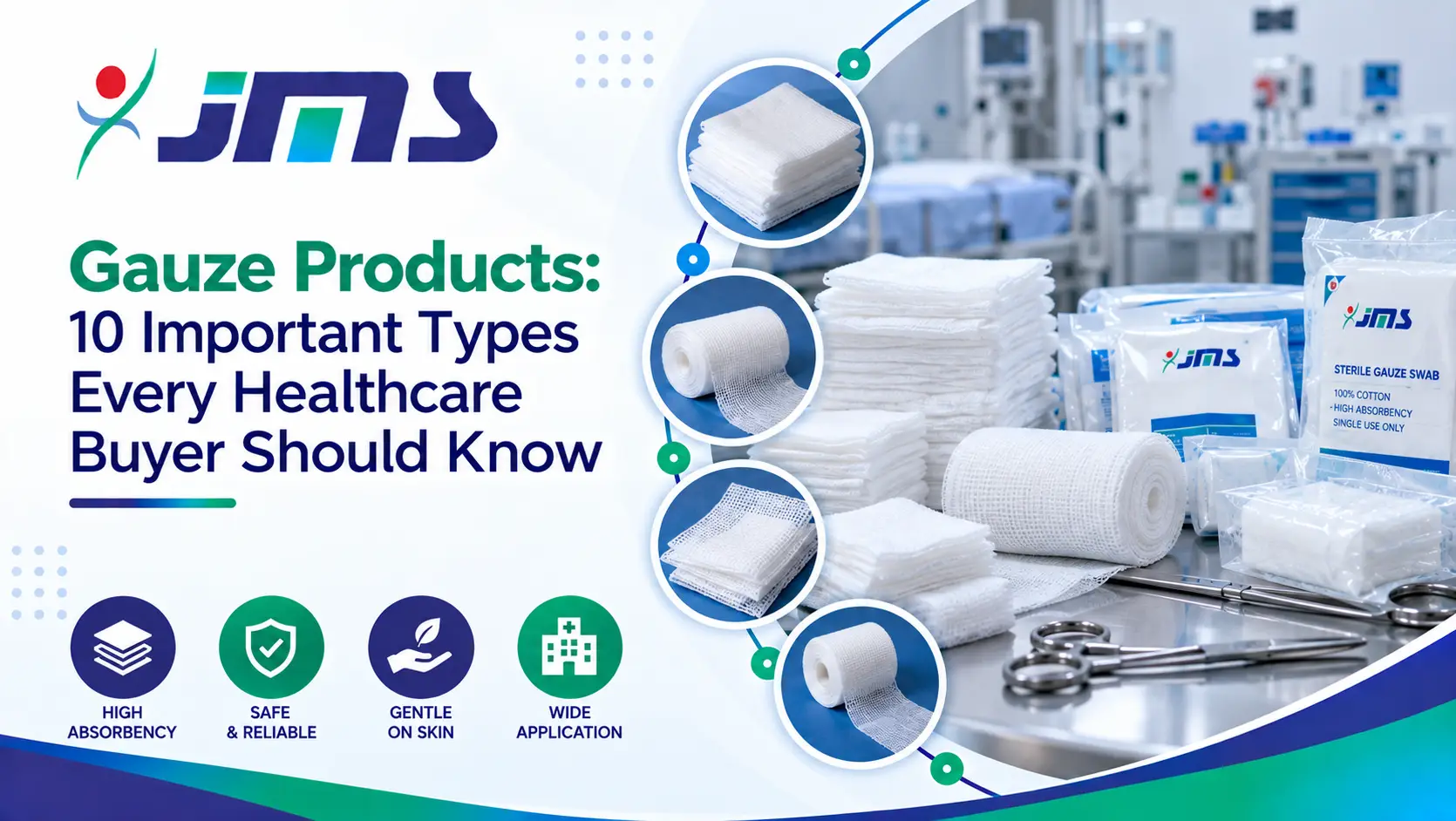
Gauze Products: 10 Important Types Every Healthcare Buyer Should Know

Gauze is one of the most commonly used medical consumables in healthcare settings. Hospitals, clinics, nursing homes, diagnostic centres, surgical facilities, and other healthcare organizations may use different types of gauze for wound care, cleaning, dressing, fluid absorption, and procedural applications. However, gauze is not a single standardized product format. It is available in different constructions, sizes, layers, packaging formats, and configurations. Some gauze products are designed for general cleaning and dressing, while others are intended for specific applications. Understanding the differences between gauze formats can help healthcare buyers select products according to their intended use. What Is Medical Gauze? Medical gauze is a textile-based healthcare material commonly used for wound management and other clinical applications. It can be manufactured in different constructions and supplied in various sizes and packaging formats. Depending on the product, gauze may be: Woven or non-woven Sterile or non-sterile Folded or rolled Single-layer or multi-layer Supplied as swabs, sponges, rolls, or sheets Designed for general or specific healthcare applications The appropriate type depends on the clinical requirement, product specifications, and applicable healthcare protocols. Common Gauze Product Formats The most commonly encountered gauze formats include: Gauze Swabs Gauze Sponges Gauze Rolls Gauze Bandages Gamjee Rolls Gauze Pads and Dressings Sterile Gauze Non-Sterile Gauze Woven Gauze Non-Woven Gauze Not every healthcare supplier will offer every format, and terminology can vary between manufacturers. Buyers should therefore review the actual product specifications rather than relying only on the product name. 1. Gauze Swabs Gauze swabs are small, folded pieces of gauze commonly used for cleaning, dressing, and absorbing fluids. They are available in different sizes and may be supplied as sterile or non-sterile products depending on the intended application. Characteristics Typical characteristics can include: Compact format Folded construction Different sizes Different layer configurations Absorbent structure Sterile or non-sterile options Common Applications Gauze swabs may be used for: Wound cleaning Dressing changes Absorbing fluids Applying antiseptic solutions General clinical procedures Buyer Considerations Healthcare buyers should consider: Size Number of layers Material Absorbency Sterility status Packaging Intended application 2. Gauze Sponges Gauze sponges are designed to provide a larger surface area than smaller swabs and can be used for various wound-care and procedural applications. Characteristics They may differ in: Dimensions Number of layers Construction Absorbency Packaging format Sterility Common Applications Gauze sponges can be used for: Wound dressing Fluid absorption Cleaning treatment areas General procedural applications Larger sponge formats can be useful when more surface coverage or fluid absorption is required. Buyer Considerations Buyers should check the product’s dimensions, layers, material, packaging, and intended application. 3. Gauze Rolls Gauze rolls are supplied in a continuous rolled format and can be cut or applied according to the requirements of the procedure. They can be useful when a larger amount of gauze is needed. Characteristics Gauze rolls may vary by: Width Length Number of layers Material Weave or construction Packaging Common Applications They may be used for: Wound dressing Securing dressings General wound-care support Wrapping and coverage Clinical procedures Buyer Considerations Healthcare buyers should consider the required width, length, absorbency, construction, packaging, and intended use. 4. Gauze Bandages Gauze bandages are designed primarily for wrapping, dressing support, and securing wound-care materials. They may be available in different widths and lengths. Characteristics Important characteristics can include: Width Length Stretch or flexibility, depending on the product Material Construction Packaging Common Applications Gauze bandages may be used for: Securing dressings Supporting wound coverings General bandaging Wrapping affected areas They should not be confused with specialized compression or elastic bandages, which have different characteristics and intended applications. 5. Gamjee Rolls Gamjee Rolls are a specialized dressing format that generally combines an absorbent cotton layer with a gauze covering. This construction provides an absorbent dressing material that can be useful for certain wound-care applications. Characteristics Gamjee Rolls generally feature: Absorbent cotton component Gauze covering Rolled format Larger dressing surface Absorbent construction Common Applications They may be used for: Wound dressing Absorbing wound exudate Post-procedure dressing General wound-care applications The appropriate use depends on the product specifications and healthcare professional’s requirements. Buyer Considerations Healthcare buyers can evaluate: Cotton quality Absorbency Roll dimensions Gauze construction Packaging Sterility status, where applicable Intended application 6. Gauze Pads and Dressings Gauze pads are commonly supplied in ready-to-use folded formats. Their pre-cut and folded construction can make them convenient for routine wound-care applications. Characteristics They may vary in: Size Layer count Material Absorbency Sterility Packaging Common Applications Gauze pads can be used for: Wound dressing Cleaning wounds Absorbing fluids Covering wounds Supporting routine clinical procedures Buyer Considerations The correct size and format should be selected based on the intended application. For sterile products, packaging integrity and expiry information are particularly important. 7. Sterile Gauze Sterile gauze is processed and packaged to meet the applicable requirements for sterile products. It may be supplied in individually packaged formats or other controlled packaging configurations. Characteristics Sterile gauze can provide: Controlled sterile packaging Ready-to-use format Different sizes and layers Various gauze constructions Common Applications Depending on the product, sterile gauze may be used for: Wound dressing Post-operative care Certain clinical procedures Wound cleaning Covering wounds Important Consideration Sterility depends not only on the manufacturing process but also on maintaining the integrity of the sterile package. Healthcare staff should inspect packaging before use and follow the manufacturer’s instructions and facility protocols. 8. Non-Sterile Gauze Non-sterile gauze is generally intended for applications where sterile gauze is not specifically required. Characteristics It can be available in: Different sizes Different layers Various constructions Rolls or folded formats Common Applications Depending on the product, non-sterile gauze may be used for: General cleaning General dressing support Routine healthcare applications Certain non-sterile procedures Healthcare professionals should determine whether sterile or non-sterile products are appropriate for the particular application. 9. Woven Gauze Woven gauze is produced using interlaced textile fibers. Its construction can provide a particular combination of flexibility, strength, and absorbency depending on the material and manufacturing specifications. Characteristics Woven gauze may offer: Traditional textile construction Flexibility Defined weave pattern Different thread counts Different

Gauze Products: 10 Important Types Every Healthcare Buyer Should Know Read More »

Cotton Products

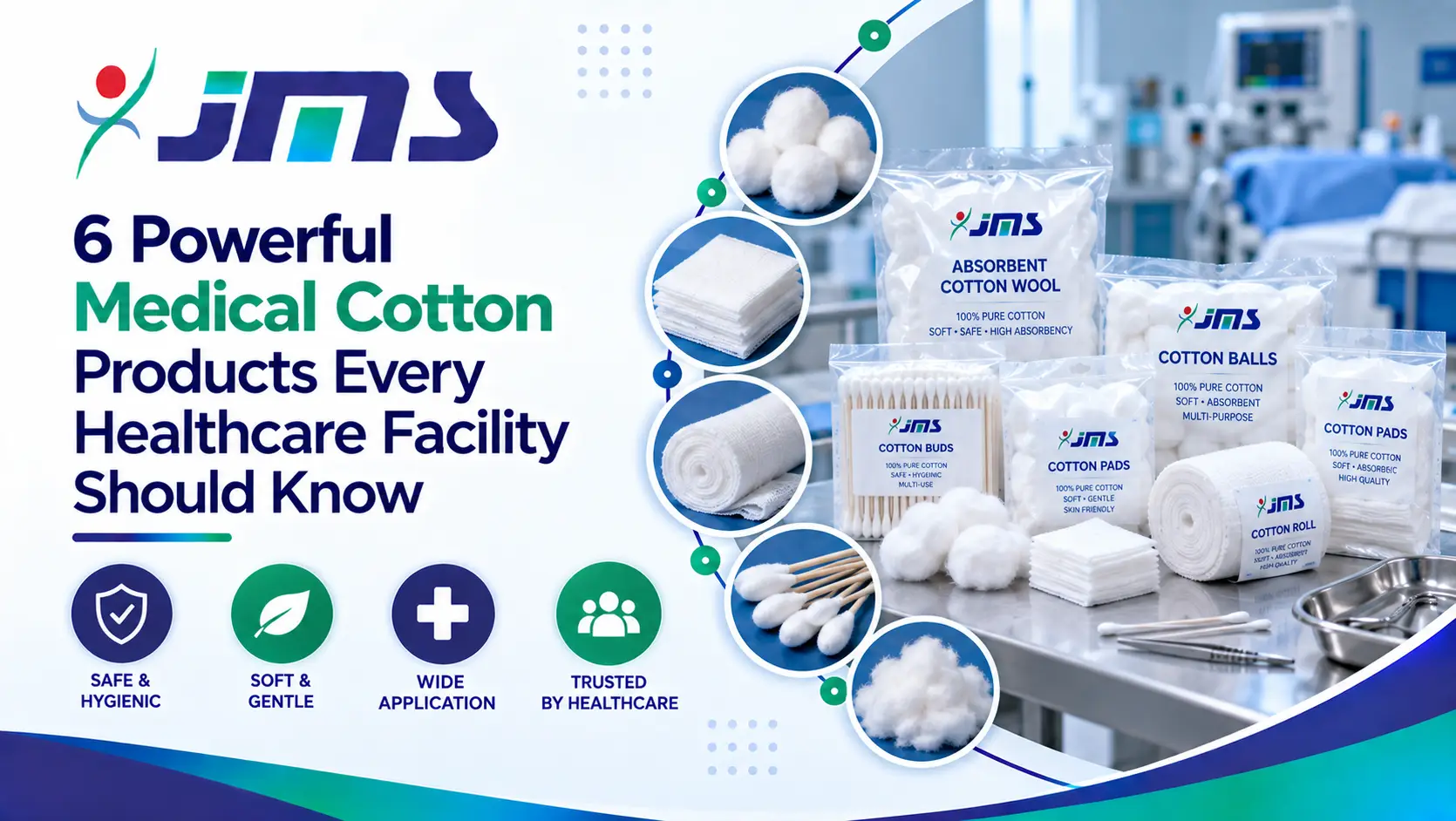
6 Powerful Medical Cotton Products Every Healthcare Facility Should Know

Medical cotton products are widely used across hospitals, clinics, nursing homes, diagnostic centres, dental practices, pharmacies, and other healthcare settings. They can support everyday activities such as wound cleaning, dressing, absorption, patient care, and general clinical procedures. Although many cotton products may look similar, they can differ in their construction, absorbency, size, packaging, and intended application. For healthcare buyers, understanding these differences can make product selection more appropriate and efficient. This guide explains the common categories of surgical and medical cotton products, their general uses, and the key factors healthcare organizations should consider before purchasing them. What Are Medical Cotton Products? Medical cotton products are healthcare materials made from cotton or cotton-based materials and designed for specific medical, clinical, hygienic, or patient-care applications. Depending on the product, they may be supplied in different shapes, sizes, forms, and packaging configurations. Common categories include: Absorbent cotton Cotton rolls Cotton balls Zig-zag cotton Dental cotton rolls Non-absorbent cotton Other specialized cotton products The appropriate product depends on the intended application and the requirements of the healthcare facility. 1. Absorbent Cotton Absorbent cotton is one of the commonly used cotton products in healthcare environments. It is designed to absorb fluids and can be used for a variety of general healthcare and wound-care applications. General Uses Absorbent cotton may be used for: Cleaning and dressing applications Absorbing fluids during procedures General wound-care support Applying antiseptic solutions General patient-care requirements What Buyers Should Consider Healthcare buyers should consider: Absorbency Softness Cotton quality Cleanliness Product consistency Packaging Available sizes Intended application For products used in clinical environments, buyers should also review applicable product specifications and manufacturer documentation. 2. Cotton Rolls Cotton rolls are cylindrical or rolled cotton products that can be convenient for controlled application and general clinical use. They are commonly used in healthcare and dental environments. General Uses Cotton rolls may be used for: Absorbing fluids Cleaning wounds or skin General dressing applications Dental procedures Applying or removing solutions Their shape can make them convenient for applications where a compact cotton format is preferred. What Buyers Should Consider When purchasing cotton rolls, healthcare facilities can evaluate: Size and dimensions Absorbency Softness Ease of handling Packaging Product consistency Intended clinical application Different departments may require different cotton-roll sizes, so product specifications should be checked before purchasing. 3. Cotton Balls Cotton balls are small, rounded cotton products designed for applications requiring a convenient quantity of cotton. General Uses They may be used for: Cleaning skin Applying antiseptic solutions General patient care Cosmetic or hygiene-related healthcare applications Cleaning around treatment areas What Buyers Should Consider Important considerations can include: Size Absorbency Softness Fiber quality Packaging Ease of handling Cleanliness Healthcare buyers should select products according to their intended use rather than choosing solely on price. 4. Zig-Zag Cotton Zig-zag cotton is supplied in a continuous or layered format that can be separated according to the quantity required. Its flexible format can make it useful for general healthcare applications. General Uses Depending on the product specifications, zig-zag cotton may be used for: Wound-care applications Cleaning Absorption General medical and patient-care activities Applying solutions What Buyers Should Consider Healthcare buyers can evaluate: Absorbency Cotton quality Texture and softness Ease of separation Quantity per package Packaging integrity Intended application 5. Dental Cotton Rolls Dental cotton rolls are designed specifically for use in dental and oral-care environments. Their cylindrical shape and absorbent characteristics can help dental professionals manage moisture during certain procedures. General Uses Dental cotton rolls may be used for: Moisture control Absorbing saliva Maintaining a relatively dry treatment area General dental procedures What Buyers Should Consider Dental facilities should consider: Appropriate size Absorbency Softness Shape retention Ease of placement and removal Packaging Intended dental application Selecting the appropriate size is particularly important because dental procedures can require different product dimensions. 6. Non-Absorbent Cotton Unlike absorbent cotton, non-absorbent cotton is designed for applications where high fluid absorption is not the primary requirement. Its intended use depends on the product specifications and healthcare application. General Uses Depending on the product, non-absorbent cotton may be used for: General healthcare applications Padding Protective applications Certain dressing-related requirements Other situations where absorbency is not the primary objective What Buyers Should Consider Healthcare buyers should carefully check: Product composition Intended use Texture Construction Packaging Product specifications Manufacturer instructions It is important not to substitute absorbent and non-absorbent cotton products simply because they appear similar. How to Choose the Right Medical Cotton Product Choosing a medical cotton product should begin with the intended application. A hospital purchasing department may require several different cotton formats because different departments have different requirements. For example: Product Common General Application Absorbent Cotton Wound care, cleaning and fluid absorption Cotton Rolls Clinical and dental applications Cotton Balls Cleaning and applying solutions Zig-Zag Cotton General healthcare and wound-care applications Dental Cotton Rolls Dental moisture control Non-Absorbent Cotton Applications where high absorbency is not the primary requirement These are general uses. The manufacturer’s product specifications should always be checked for the intended application. Important Factors Healthcare Buyers Should Consider Selecting medical cotton is not simply about choosing the lowest-priced product. Healthcare buyers should evaluate several factors. 1. Product Quality Consistent product quality is important when medical cotton is used repeatedly across healthcare environments. Buyers should review product specifications and assess whether the product is appropriate for its intended application. 2. Absorbency For products intended to absorb fluids, absorbency can be an important consideration. The required absorbency may vary depending on whether the cotton is being used for general cleaning, wound care, dental procedures, or another application. 3. Softness and Texture Products used around patients should have characteristics appropriate for their intended application. Softness and texture can be particularly relevant for products that come into contact with skin or are used during patient-care procedures. 4. Size and Format Medical cotton is available in different forms and sizes. Healthcare buyers should select dimensions that match the requirements of the department or procedure. Buying an inappropriate size can result in unnecessary product usage or wastage. 5.

6 Powerful Medical Cotton Products Every Healthcare Facility Should Know Read More »

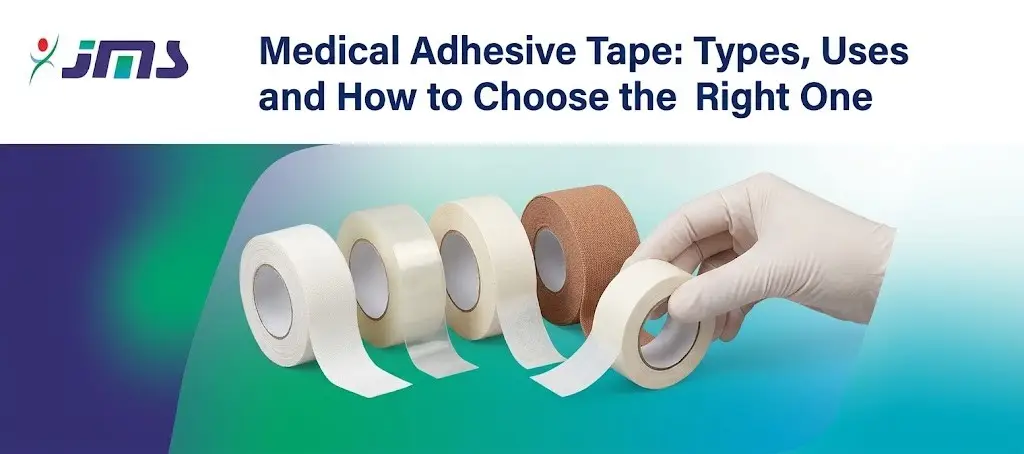
Medical Adhesive Tape: Types, Uses and How to Choose the Right One

Medical adhesive tape is a commonly used healthcare product found in hospitals, clinics, pharmacies, and home-care settings. It helps secure dressings, bandages, tubes, and other medical materials in place. Although medical adhesive tape may look simple, different types are designed for different purposes. Some tapes are suitable for securing dressings, while others are designed for delicate skin or longer wear. Therefore, choosing the right medical adhesive tape can help improve comfort, support proper wound care, and keep medical materials securely positioned. What Is Medical Adhesive Tape? Medical adhesive tape is a healthcare product designed to attach or secure medical materials to the skin or other suitable surfaces. It may be used with: • Gauze and wound dressings• Bandages• Medical tubing• Catheters and lines• Surgical dressings• Small medical devices Medical tapes are available in different materials, widths, adhesive strengths, and designs. As a result, healthcare professionals can select a suitable tape based on the patient’s needs and the intended application. Why Is Medical Adhesive Tape Important? Keeping a dressing or medical device securely in place is an important part of patient care. If a dressing moves or becomes loose, the affected area may not remain adequately covered. Suitable medical adhesive tape can help: • Secure wound dressings• Hold gauze in position• Support medical tubing• Reduce unnecessary movement of dressings• Maintain the position of certain medical devices• Support organized patient care Moreover, choosing an appropriate tape can help improve patient comfort, particularly when it needs to remain on the skin for a longer period. Common Types of Medical Adhesive Tape Medical adhesive tapes are available in several varieties. Each type has different characteristics and applications. Common types include: • Paper medical tape• Microporous tape• Transparent medical tape• Cloth medical tape• Waterproof medical tape• Hypoallergenic medical tape• Surgical adhesive tape However, the exact features and recommended uses can vary between products. Therefore, healthcare professionals should check the manufacturer’s instructions before selecting or using a particular tape. Paper Medical Tape Paper medical tape is lightweight and commonly used for general healthcare applications. It can be suitable for securing: • Gauze• Light dressings• Bandages• Tubing in selected situations Paper tape is often easy to tear and remove. In addition, some paper tapes are designed to allow a degree of air and moisture vapour exchange. Therefore, it can be a practical option when strong fixation is not required. Microporous Medical Tape Microporous medical tape is designed with a breathable structure that can allow air and moisture vapour to pass through the tape. It may be used to secure: • Dressings• Gauze• Tubing• Catheters• Other lightweight medical materials Because breathability can be useful for certain applications, microporous tape is often considered when prolonged skin contact is expected. Nevertheless, the tape should always be selected according to the patient’s skin condition and the intended medical application. Cloth Medical Tape Cloth medical tape is generally more durable and may provide stronger fixation than some lightweight tapes. It can be used for applications where a secure hold is required, such as: • Securing dressings• Supporting medical tubing• Holding certain medical devices in place However, stronger adhesion is not always better. For sensitive or fragile skin, a gentler tape may be more appropriate. Transparent Medical Tape Transparent medical tape allows the area underneath the tape to remain partially visible. This can be useful when healthcare professionals need to observe the condition of the surrounding area without immediately removing the tape. Depending on the product, transparent tapes may be used for: • Securing dressings• Fixing medical devices• Supporting catheter-related applications• Protecting selected areas The specific application should always follow the product’s intended use. Waterproof Medical Tape Water-resistant or waterproof medical tapes are designed to provide better resistance to moisture than standard tapes. They may be useful in situations where exposure to water or moisture is expected. However, waterproof does not mean that every medical tape can be submerged or used for every type of wound. Therefore, users should check the product specifications before use. Hypoallergenic Medical Tape Some people may have sensitive skin or may develop irritation from certain adhesives. Hypoallergenic medical tapes are designed to reduce the likelihood of skin irritation for suitable users. However, no adhesive can guarantee that a person will never experience a skin reaction. Therefore, healthcare professionals should consider the patient’s skin condition and previous sensitivity when selecting a medical tape. Surgical Adhesive Tape Surgical adhesive tapes are designed for specific healthcare and wound-care applications. They may be used to secure dressings or support certain wound-care procedures, depending on the product. Some surgical tapes are designed to provide strong yet flexible fixation. Others may focus more on breathability or gentle removal. As a result, the correct product should be selected according to the procedure, location, skin condition, and manufacturer’s recommendations. Uses of Medical Adhesive Tape Medical adhesive tape has many applications across healthcare settings. Common uses include: • Securing wound dressings• Holding gauze in place• Fixing bandages• Securing medical tubing• Supporting certain catheters and lines• Holding selected medical devices• Supporting routine wound-care procedures Furthermore, healthcare professionals may use different tapes depending on the patient’s condition and the specific procedure being performed. How to Choose the Right Medical Adhesive Tape Choosing medical tape should involve more than simply selecting the strongest adhesive. Several factors should be considered. Consider the Intended Use First, determine what the tape needs to secure. For example, lightweight paper tape may be suitable for certain dressings, while a stronger tape may be required for some medical devices. Therefore, always match the tape to its intended application. Consider the Patient’s Skin Skin condition is another important factor. Patients with sensitive, fragile, or easily irritated skin may require a gentler adhesive product. In contrast, a stronger adhesive may be appropriate for some applications where secure fixation is essential. Thus, patient comfort and skin condition should be considered alongside holding strength. Consider Adhesive Strength Medical tapes come with different levels of adhesion. A tape with insufficient adhesion may come loose too easily. On the other hand,

Medical Adhesive Tape: Types, Uses and How to Choose the Right One Read More »

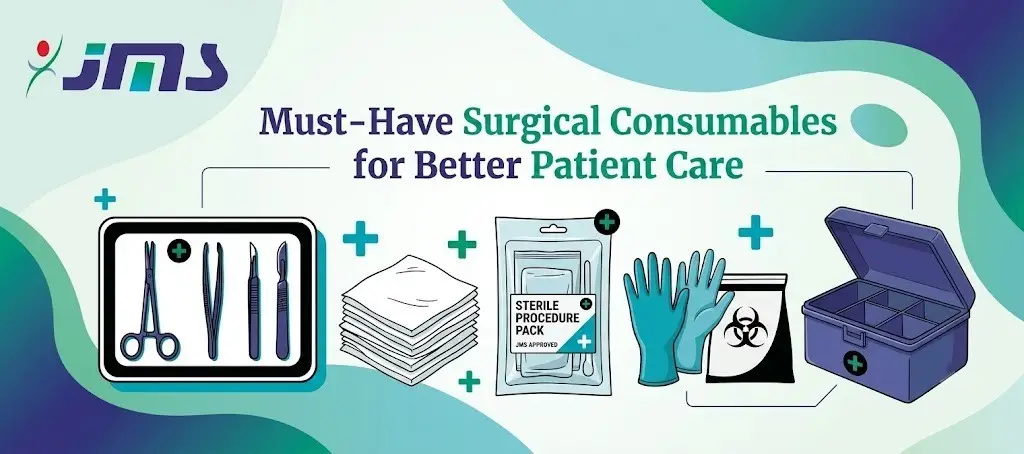
Must-Have Surgical Consumables for Better Patient Care

Surgical Consumables Hospitals use daily are essential for maintaining safety, infection control, and efficient surgical procedures. From Hospital Surgical Supplies to Disposable Surgical Products, these items support patient care across operating rooms and emergency departments. Having access to Essential Medical Consumables and reliable Operating Room Supplies helps healthcare facilities deliver quality treatment and improve clinical outcomes. Surgical Consumables Hospitals depend on play a critical role in ensuring smooth surgical workflows and maintaining high standards of patient safety. The availability of Surgical Consumables Hospitals require, including sterile gloves, syringes, sutures, dressings, and protective equipment, is essential for everyday healthcare operations. Proper management of Surgical Consumables Hospitals use can reduce infection risks and improve procedural efficiency. In addition, Surgical Consumables Hospitals stock as part of their routine inventory contribute to better treatment outcomes and support emergency preparedness. Modern healthcare facilities rely heavily on Hospital Surgical Supplies and Disposable Surgical Products to meet growing patient demands. Maintaining adequate Essential Medical Consumables and well-organized Operating Room Supplies is vital for uninterrupted medical services and optimal patient care. Hospitals and healthcare facilities rely heavily on surgical consumables to provide safe and effective patient care. These products are used daily during surgeries, wound management, examinations, and infection control procedures. Therefore, maintaining an adequate supply of high-quality surgical consumables is essential for ensuring patient safety and improving treatment outcomes. From minor procedures to major operations, these disposable medical products play a crucial role in supporting healthcare professionals and maintaining hygiene standards. Why Surgical Consumables Are Important Surgical consumables are designed for single or limited use, which helps maintain sterility and reduce the risk of infections. They are important because they help: • Maintain hygiene during medical procedures• Prevent cross-contamination• Support efficient patient care• Ensure safety for healthcare workers and patients• Improve overall treatment outcomes Moreover, using quality surgical consumables helps hospitals meet healthcare standards and provide reliable care. Surgical Gloves Disposable surgical gloves are among the most essential consumables used in hospitals. They help by: • Preventing the spread of infections• Protecting healthcare professionals from contamination• Maintaining sterile conditions during procedures Latex and nitrile gloves are commonly used because they provide comfort, flexibility, and reliable protection. Sterile Gauze Swabs Sterile gauze swabs are widely used for wound dressing and surgical procedures. These products help: • Absorb blood and fluids• Cover wounds safely• Support faster healing• Maintain cleanliness during treatment Additionally, sterile gauze minimizes the risk of infection and improves wound management. Surgical Cotton Surgical cotton is an important product used in hospitals, clinics, and diagnostic centers. It is commonly used for: • Cleaning wounds• Applying antiseptic solutions• Dressing injuries• Absorbing fluids during procedures High-quality cotton provides excellent absorbency and ensures better patient comfort. Combine Dressings Combine dressings are highly absorbent wound care products that provide additional protection. They help by: • Managing wound exudates effectively• Protecting injuries from contamination• Promoting a hygienic healing environment Therefore, they are frequently used after surgeries and for managing larger wounds. Medical Adhesive Tape Medical tapes are essential for securing dressings and medical devices. A good-quality tape should offer: • Strong adhesion• Skin-friendly material• Easy removal without irritation• Reliable support for wound dressings These tapes help keep dressings in place and improve patient comfort. Disposable Face Masks Face masks are an important part of infection control in hospitals. They help: • Reduce the spread of germs• Protect patients and healthcare staff• Maintain hygienic conditions in clinical environments Furthermore, disposable masks are commonly used in operation theatres and patient care areas. Surgical Drapes Surgical drapes are used to create sterile barriers during operations. They provide: • Protection against contamination• Better infection control• A sterile surgical field As a result, surgical drapes play a vital role in ensuring patient safety during procedures. Elastic Bandages Elastic bandages are useful for supporting injured muscles and joints. They help by: • Providing compression• Reducing swelling• Supporting sprains and strains• Assisting recovery after injuries These bandages are commonly found in emergency departments and orthopedic units. Syringes and Needles Disposable syringes and needles are essential for administering medicines and collecting blood samples. They help ensure: • Safe medication delivery• Reduced infection risks• Better patient care• Accurate dosage administration Single-use syringes also help prevent cross-contamination between patients. Sterile Dressing Kits Sterile dressing kits contain essential items required for wound care procedures. These kits usually include: • Gauze swabs• Cotton• Gloves• Dressing materials• Forceps and accessories Consequently, they simplify wound management and improve efficiency in healthcare settings. Importance of Maintaining Adequate Supplies Hospitals must maintain sufficient stocks of surgical consumables to ensure uninterrupted patient care. Regular inventory management helps: • Avoid shortages during emergencies• Improve operational efficiency• Maintain infection control standards• Support timely medical procedures Additionally, proper storage conditions help preserve product quality and sterility. Choosing High-Quality Surgical Consumables Reliable medical products contribute significantly to patient safety and healthcare efficiency. Quality surgical consumables should provide: • Proper sterility• High absorbency• Skin-friendly materials• Strong durability• Safe and secure packaging Therefore, hospitals should always choose trusted manufacturers for their medical supply requirements. Trusted Medical and Surgical Products by JMS Medicon Looking for reliable surgical consumables and disposable medical products? 📍 JMS Medicon Private LimitedPlot No-85, Padmalava Nagar, Trisulia,Cuttack, Odisha – 754005 📞 Phone: +91 9437040988📧 Email: jmsmedicon@gmail.com🌐 Website: jmsmedicon.com Supporting Better Healthcare Through Quality Surgical Consumables Surgical consumables are indispensable in modern healthcare. From gloves and gauze swabs to dressings and syringes, these products ensure safety, hygiene, and efficient patient care. Investing in high-quality surgical consumables helps hospitals maintain better infection control, improve treatment outcomes, and provide a safer environment for both patients and healthcare professionals.

Must-Have Surgical Consumables for Better Patient Care Read More »

combine dressing

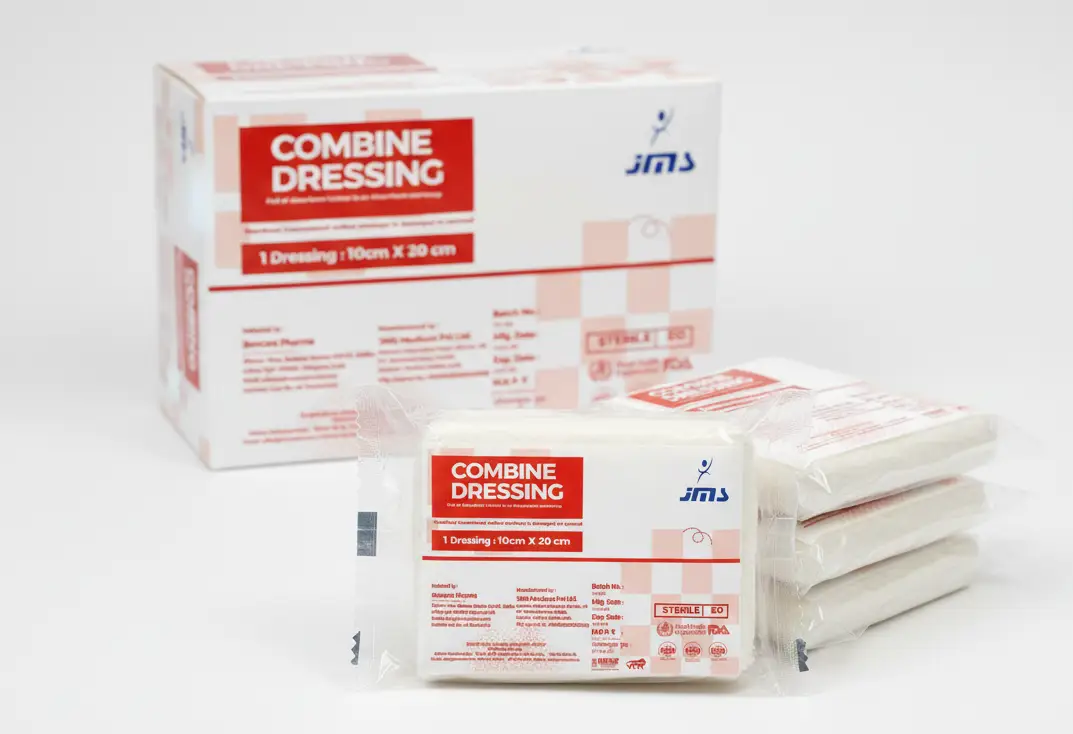
Combine Dressing: Powerful Benefits for Better Wound Care

Proper wound management plays a critical role in preventing infection and promoting faster healing. Among the many wound care products available, Combine Dressing stands out as a highly reliable and versatile solution widely used in hospitals, clinics, and emergency care settings. What is Combine Dressing? Combine Dressing is a sterile wound dressing made with a highly absorbent cotton pad enclosed in a soft, non-woven or gauze covering. It is specifically designed to manage moderate to heavily exuding wounds by absorbing fluids effectively while protecting the wound from external contamination. The thick absorbent layer provides cushioning and comfort, making it suitable for post-operative wounds, surgical incisions, trauma injuries, and large surface wounds. Key Benefits of Combine Dressing High AbsorbencyThe inner cotton pad efficiently absorbs blood and wound exudate, helping maintain a clean wound environment and reducing the risk of infection. Protective BarrierThe outer layer acts as a barrier against dust, bacteria, and other contaminants, supporting hygienic wound care. Soft and ComfortableIts skin-friendly material minimizes irritation and ensures patient comfort, even during extended use. Versatile ApplicationCombine Dressing is suitable for surgical procedures, post-operative care, emergency treatment, and general wound management. When is Combine Dressing Used? Post-surgical wound coverage Trauma and accident injuries Heavily draining wounds Burns and large abrasions Hospital and first-aid applications Why Quality Matters In medical settings, the quality of wound dressing materials directly impacts healing outcomes. A high-quality Combine Dressing ensures consistent absorbency, minimal linting, and sterile packaging to maintain safety standards. Conclusion Combine Dressing is an essential component of modern wound care. Its superior absorbency, protective properties, and patient comfort make it a dependable choice for healthcare professionals. Whether used in hospitals, clinics, or emergency situations, it plays a vital role in supporting safe and effective wound healing.

Combine Dressing: Powerful Benefits for Better Wound Care Read More »