Medical Consumables

JMS Wound Dressing Essentials Infographic

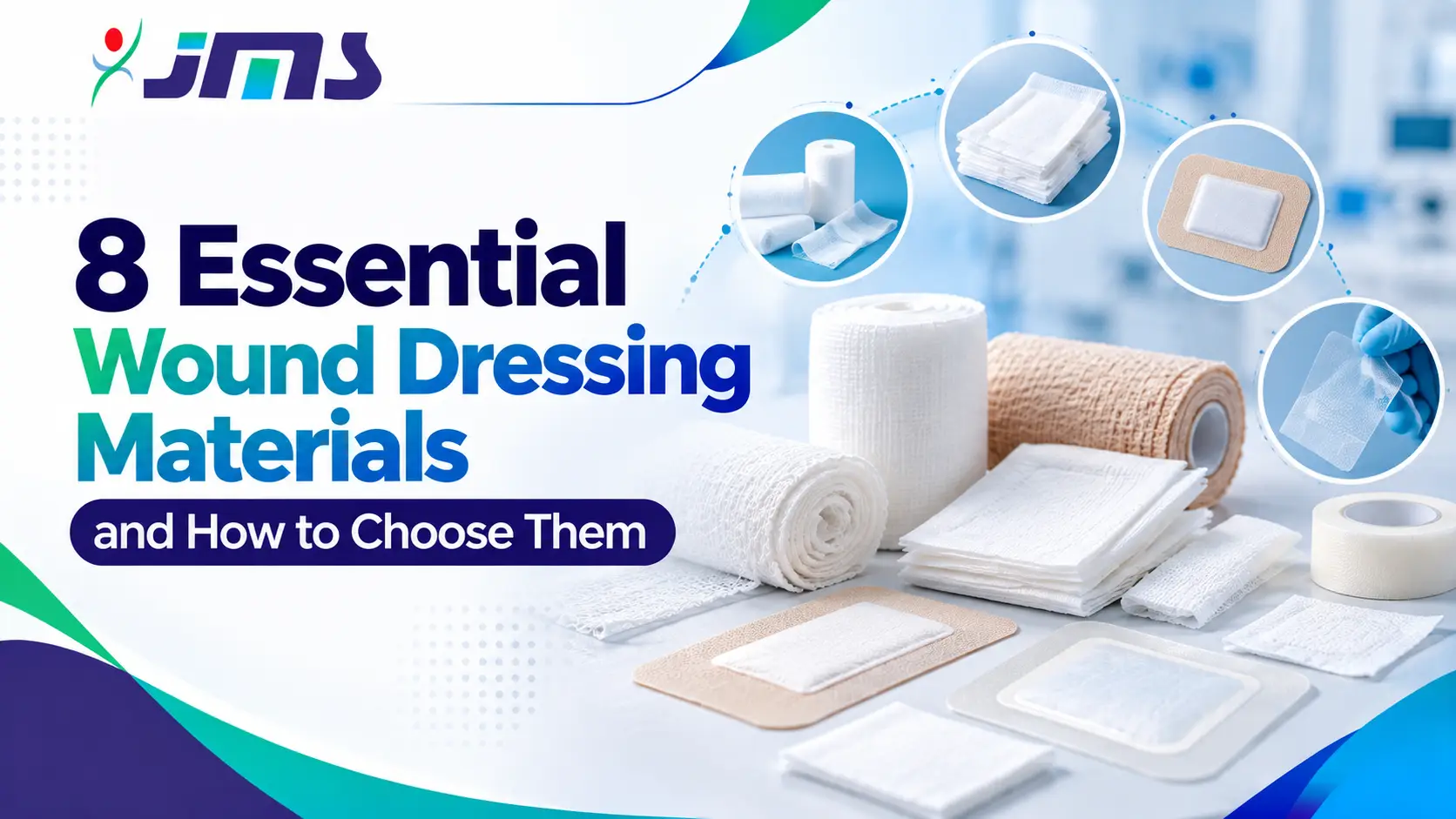
8 Essential Wound Dressing Materials and How to Choose Them

Medical dressing materials play an important role in wound care, surgical procedures, and everyday clinical practice. Hospitals, clinics, nursing homes, and other healthcare facilities rely on suitable dressing products to protect wounds, absorb fluids, maintain cleanliness, and support appropriate wound management. Choosing the right medical dressing materials requires careful consideration of wound characteristics, product specifications, absorbency, sterility, patient needs, and clinical protocols. Different dressing materials serve different purposes, making it important for healthcare professionals and procurement teams to understand their available options. In this guide, we explore eight common types of medical dressing materials and the factors healthcare facilities should consider when selecting them. What Are Medical Dressing Materials? Medical dressing materials are products used to cover, protect, or manage wounds and surgical sites. Depending on their design, they may absorb wound exudate, help protect the affected area from external contamination, or maintain a suitable environment for wound management. Common examples include gauze swabs, absorbent cotton, non-adherent dressings, foam dressings, and transparent film dressings. The appropriate product depends on the wound, the intended application, the manufacturer’s instructions, and the healthcare professional’s assessment. 1. Gauze Swabs Gauze swabs are widely used in hospitals, clinics, and first-aid settings. They are commonly made from woven or non-woven materials and are available in different sizes, ply counts, and packaging formats. Gauze swabs may be used for wound cleaning, absorbing fluids, and covering certain wounds, depending on their specifications and whether they are sterile or non-sterile. Key features: Available in multiple sizes and ply options Suitable for various wound-care applications Offered in sterile and non-sterile formats Easy to store and manage when properly packaged Healthcare facilities should select gauze swabs according to their intended use and verify packaging integrity and sterility requirements before use. 2. Absorbent Cotton Absorbent cotton is a soft, moisture-absorbing material used in various healthcare and clinical applications. It may be supplied in rolls, balls, or other formats. Depending on the product specifications and clinical protocol, absorbent cotton can be used for cleaning, padding, and selected wound-care procedures. It should not automatically be treated as a substitute for a purpose-designed wound dressing. Key features: Soft and absorbent material Available in different packaging sizes Useful for selected clinical and care applications Requires suitable storage to protect product quality Procurement teams should verify the intended use, material specifications, and applicable quality documentation when purchasing absorbent cotton. 3. Non-Adherent Dressings Non-adherent dressings are designed to reduce sticking to the wound surface, helping make dressing changes more comfortable when used appropriately. These products may be useful for selected superficial wounds, minor burns, and other situations where minimising adherence is desirable. Some non-adherent dressings require a secondary dressing to absorb fluid and hold the product in place. Key features: Designed to minimise adherence to the wound Available in different sizes and constructions May support more comfortable dressing changes Can be combined with suitable secondary dressings Healthcare professionals should consider the wound’s condition, exudate level, and dressing-change requirements when choosing these products. 4. Absorbent Wound Dressings Absorbent wound dressings are designed to manage fluid from wounds. They are available in different constructions and absorbency levels to meet different clinical requirements. Selecting an appropriate dressing helps healthcare teams manage wound exudate and reduce leakage through the dressing when used according to its intended purpose. Key features: Available in different absorbency levels Designed for selected wounds with fluid discharge Offered in different shapes and sizes May require a secondary dressing or fixation method The dressing should be selected based on the amount of exudate, surrounding skin condition, wound location, and clinical assessment. 5. Adhesive Dressings Adhesive dressings combine a wound-contact pad with an adhesive border or backing. Many are designed for minor cuts, abrasions, and selected post-procedure applications. They can provide convenient coverage and help keep the dressing in place without separate fixation in suitable situations. Key features: Convenient application Available in different shapes and sizes Designed for selected minor wounds Different adhesive options may suit different skin needs Healthcare facilities should consider adhesive sensitivity, wound size, skin condition, and the product’s intended application when selecting adhesive dressings. 6. Transparent Film Dressings Transparent film dressings are thin, flexible coverings that allow visual inspection of the covered area without removing the dressing. Some products provide a protective barrier against external contaminants while allowing water vapour to pass through. They are commonly used for selected superficial wounds, securement applications, and situations where visual monitoring is useful. Key features: Transparent material for visual inspection Flexible and conformable design Available in different dimensions May provide a barrier against external contamination when correctly applied These dressings are not suitable for every wound, particularly where fluid absorption requirements exceed their capabilities. Product instructions and clinical protocols should guide selection. 7. Foam Dressings Foam dressings are designed to absorb wound exudate and provide cushioning. Depending on the product, they may include adhesive borders or additional layers for specific wound-care needs. They are often considered for selected wounds with moderate or higher levels of exudate, subject to professional assessment and product guidance. Key features: Available in different thicknesses and sizes Designed to absorb wound fluid May provide cushioning for the covered area Offered in adhesive and non-adhesive versions Healthcare professionals should assess exudate levels, wound depth, surrounding skin, and dressing-change frequency before choosing a foam dressing. 8. Hydrocolloid Dressings Hydrocolloid dressings contain materials that interact with wound fluid to form a gel-like substance. They can support a moist wound environment for selected wounds. These dressings may be appropriate for certain superficial wounds with limited to moderate exudate, depending on the product and clinical assessment. Key features: Designed to maintain a moist wound environment Available in different shapes and thicknesses Can provide protective coverage May remain in place for a product-specific period Hydrocolloid dressings are not appropriate for every wound. Infection concerns, wound characteristics, and manufacturer guidance must be considered before use. How Healthcare Facilities Choose the Right Medical Dressing Materials Selecting medical dressing materials involves balancing clinical requirements, product quality, supply availability, and cost. Healthcare facilities should

8 Essential Wound Dressing Materials and How to Choose Them Read More »
9 Essential Factors for Medical Procurement

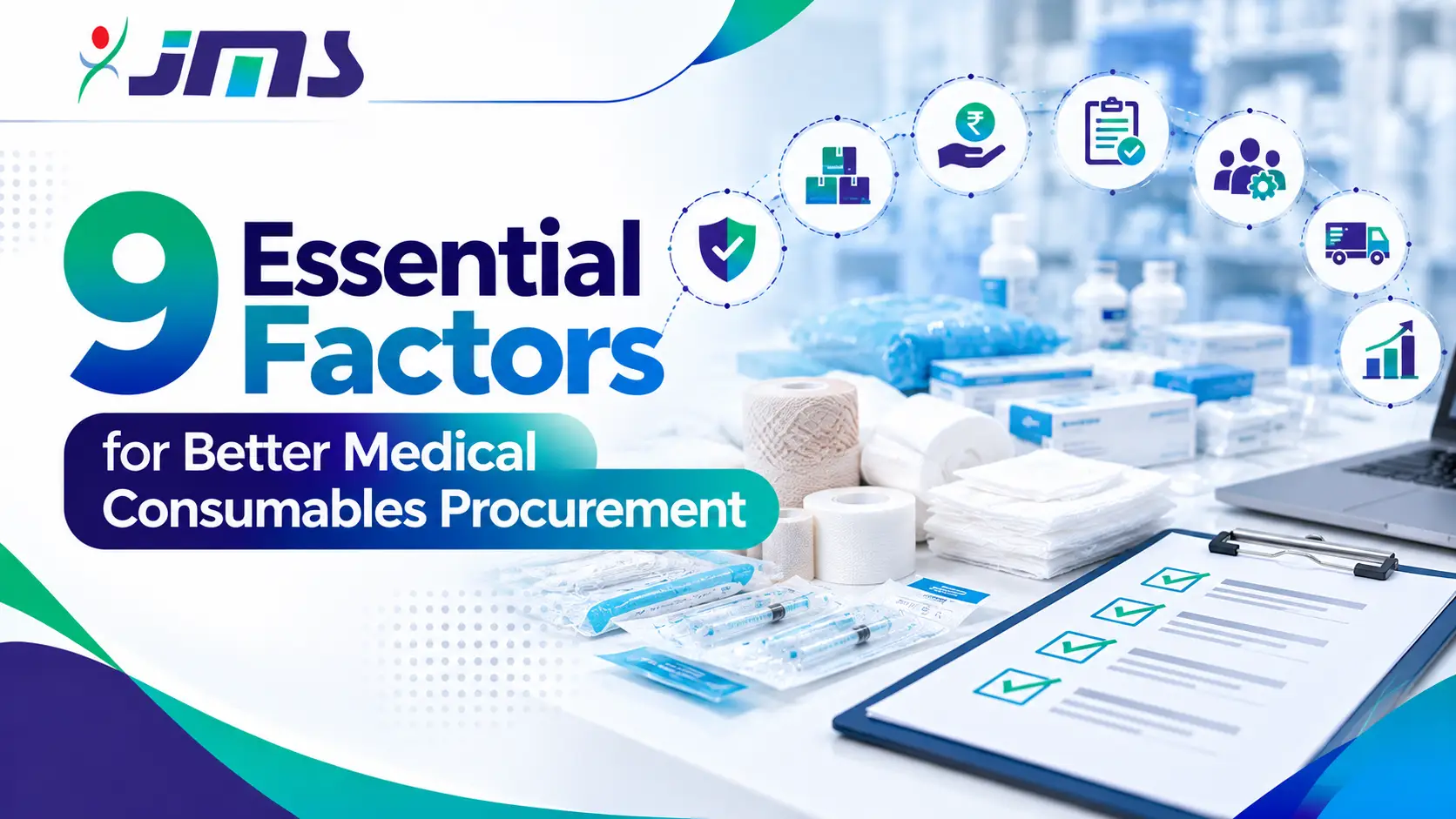
9 Essential Factors for Better Medical Consumables Procurement

Medical consumables are essential for the daily functioning of hospitals, clinics, diagnostic centres, and other healthcare facilities. From surgical gloves and gauze swabs to cotton rolls, wound dressings, syringes, and disposable medical supplies, these products support routine patient care, infection prevention, and clinical procedures. However, purchasing medical consumables involves more than comparing prices. Healthcare facilities must consider product quality, safety requirements, supplier reliability, storage conditions, delivery schedules, and overall procurement costs. A well-planned medical consumables procurement process helps hospitals maintain adequate stock, reduce unnecessary expenditure, and support consistent healthcare operations. In this guide, we explore nine important factors every hospital should consider when procuring medical consumables. What Is Medical Consumables Procurement? Medical consumables procurement is the process of identifying, evaluating, purchasing, receiving, and managing disposable or frequently replenished medical products used in healthcare facilities. These products may include: Surgical gloves, masks, and disposable protective equipment Gauze swabs, absorbent cotton, and wound dressings Syringes, needles, and other procedure-related consumables Disposable examination and patient-care supplies Sterile medical products and surgical consumables An effective procurement strategy ensures that the right products are available in the right quantities, at the right time, and from suitable suppliers. 1. Evaluate Product Quality and Safety Product quality should be a primary consideration when purchasing medical consumables. Inconsistent quality can disrupt clinical workflows and create avoidable risks for healthcare providers and patients. Before placing an order, review the product specifications, intended use, material composition, packaging integrity, and relevant quality documentation. For products requiring sterility, verify the sterile status, packaging condition, and applicable expiry or use-by information. Hospitals should also confirm that products meet the regulatory and technical requirements applicable to their category and intended use. Key considerations: Consistent product specifications Appropriate quality documentation Intact packaging and clear labelling Applicable regulatory compliance Suitable sterility and expiry information, where relevant 2. Choose a Reliable Medical Consumables Supplier Supplier reliability directly affects the availability of essential medical products. Delayed deliveries or inconsistent product quality can interfere with hospital operations and increase procurement pressure. Hospitals should evaluate suppliers based on their product range, supply capacity, order fulfilment history, communication, documentation, and ability to handle recurring requirements. It is also useful to establish clear expectations for order confirmation, delivery timelines, product substitutions, and the handling of damaged or non-conforming goods. Key considerations: Consistent supply availability Clear communication and order tracking Transparent commercial terms Appropriate business and product documentation A defined process for resolving supply issues 3. Compare Total Procurement Costs, Not Just Prices The lowest quoted price does not always represent the best value. Differences in product specifications, packaging quantities, shipping charges, minimum order requirements, and defect rates can affect the total cost of purchasing. Hospitals should compare equivalent products using consistent specifications and calculate the overall cost of acquisition. Bulk purchasing may reduce the unit price, but only when the products can be used within their shelf life and stored under suitable conditions. Key considerations: Unit price and pack size Shipping and handling charges Minimum order quantities Expected product wastage Storage costs and expiry-related losses 4. Assess Product Specifications and Intended Use Medical consumables are designed for different clinical applications. Products that appear similar may differ in material, dimensions, absorbency, strength, sterility, or intended use. For example, gauze products may differ in ply, size, construction, packaging, and sterile status. Protective gloves may vary by material, size, and intended application. Procurement teams should prepare clear specifications before requesting quotations. This helps prevent unsuitable substitutions and makes supplier comparisons more accurate. Key considerations: Material and dimensions Sterile or non-sterile status Product performance requirements Intended clinical application Compatibility with established hospital protocols 5. Check Certifications and Regulatory Documentation Medical products may be subject to different regulatory requirements depending on their classification, intended use, and applicable jurisdiction. Hospitals should verify the documentation relevant to the specific product rather than relying on broad or unsupported certification claims. Where applicable, request product licences, conformity documents, quality certificates, test reports, declarations, and other records required for procurement and institutional audits. Documentation should be current, relevant to the product being purchased, and consistent with the supplier and product details. Key considerations: Applicable licences and registrations Relevant quality certificates Product-specific technical documents Batch or lot information, where applicable Traceable purchase and delivery records 6. Plan Inventory and Reordering Carefully Poor inventory management can result in shortages of essential products or excessive stock that ties up working capital. Both situations can affect hospital efficiency. Hospitals should review historical consumption, current stock, supplier lead times, seasonal demand, and expected changes in patient volume. Reorder levels can then be established for frequently used products. A first-expiry-first-out approach should be used for applicable products with expiry dates, alongside routine checks for damaged packaging and expired stock. Key considerations: Historical usage and consumption trends Minimum and maximum stock levels Reorder points and safety stock Expiry-date monitoring Regular inventory reconciliation 7. Verify Packaging, Labelling, and Storage Requirements Packaging protects medical consumables during transport and storage. Damaged packaging, unclear labels, or unsuitable storage conditions may compromise product integrity and usability. At the time of receipt, hospital staff should check the quantity delivered, product identity, batch or lot details where applicable, expiry information, and packaging condition. Products should be stored according to the manufacturer’s instructions, including any specified temperature, humidity, light protection, or handling requirements. Sterile products with compromised packaging should be assessed under the facility’s approved procedures and should not be treated as sterile merely because the product appears intact. Key considerations: Clear and legible product labels Intact packaging on receipt Appropriate storage conditions Correct batch and expiry information Safe handling and stock rotation 8. Ensure Consistent Supply and Delivery Timelines Hospitals need predictable deliveries to maintain continuity of patient care. A supplier’s ability to fulfil recurring orders can be as important as the initial product quotation. Procurement teams should review lead times, delivery coverage, order-processing procedures, and the supplier’s response to urgent requirements. For critical products, hospitals may consider approved backup suppliers in accordance with internal procurement policies. Delivery performance should be monitored over time so

9 Essential Factors for Better Medical Consumables Procurement Read More »

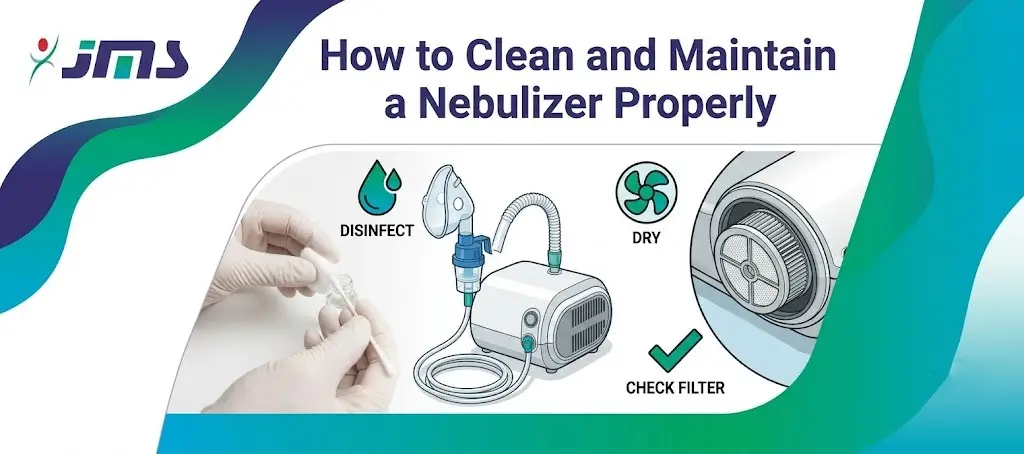
How to Clean and Maintain a Nebulizer Properly

Nebulizers are commonly used to deliver prescribed medicines directly into the lungs. They can be useful for people who need inhaled medication but may have difficulty using certain inhalers correctly. However, a nebulizer needs proper cleaning and maintenance after use. Medicine residue, moisture, and microorganisms can build up inside the equipment if it is not cleaned properly. Therefore, regular cleaning is important for maintaining the hygiene and performance of the device. Whether used at home, in a clinic, or in a hospital, knowing how to clean and maintain a nebulizer properly can help support safer respiratory care. What Is a Nebulizer? A nebulizer is a medical device that changes liquid medicine into a fine mist. The patient then breathes this mist through a mouthpiece or mask so that the medicine can reach the lungs. A typical nebulizer setup may include: • Compressor• Medicine cup• Tubing• Mouthpiece or mask• Air filter, depending on the device Because several parts are involved, each component should be handled and maintained according to the manufacturer’s instructions. Why Is Nebulizer Cleaning Important? A nebulizer comes into contact with medication, moisture, and the patient’s breathing passages. As a result, its components can become contaminated when they are not cleaned properly. Regular cleaning can help: • Reduce the buildup of medicine residue• Maintain better equipment hygiene• Reduce contamination risks• Keep the nebulizer ready for the next use• Support proper delivery of prescribed medication• Extend the useful life of suitable components Therefore, cleaning should be considered an important part of routine nebulizer care. When Should You Clean a Nebulizer? The nebulizer should generally be cleaned after each use, unless the manufacturer provides different instructions. After completing a treatment, leftover medicine should not simply be left inside the medicine cup. Instead, the reusable components should be cleaned as directed. In addition, some nebulizer parts may require regular disinfection or replacement. The exact schedule can vary depending on the device and manufacturer. How to Clean a Nebulizer After Each Use Cleaning a nebulizer does not have to be complicated. However, the steps should be followed carefully. A basic cleaning routine may include: • Turn off the nebulizer and disconnect it from the power supply.• Separate the removable components according to the manufacturer’s instructions.• Empty any remaining medication from the medicine cup.• Clean the reusable parts as instructed by the manufacturer.• Rinse applicable components with clean water when recommended.• Allow the components to air-dry completely in a clean area.• Reassemble the device only after the parts are completely dry. Importantly, do not wash the compressor, electrical components, or tubing unless the manufacturer specifically states that they are washable. How to Disinfect Nebulizer Components Regular cleaning and disinfection are not always the same thing. Cleaning removes visible residue and dirt, while disinfection is intended to reduce microorganisms on suitable equipment surfaces. Some nebulizer components may require periodic disinfection based on the manufacturer’s instructions. Depending on the device, the manufacturer may recommend a particular disinfecting method. Therefore, users should always follow the instructions supplied with their nebulizer rather than using household cleaning products without checking first. How to Clean the Nebulizer Mask or Mouthpiece The mask or mouthpiece comes into direct contact with the user’s face or mouth. Therefore, these components require careful cleaning. After use: • Separate the mask or mouthpiece from the nebulizer.• Clean it according to the manufacturer’s instructions.• Rinse it if the instructions recommend rinsing.• Place it in a clean area to air-dry completely.• Store it in a clean, dry location after drying. Furthermore, these components should not be shared between people unless they are specifically designed and approved for such use with appropriate cleaning and disinfection procedures. What About the Nebulizer Tubing? Nebulizer tubing connects the compressor to the medicine cup and plays an important role in the system. However, tubing should not automatically be washed or submerged in water. Moisture inside the tubing can interfere with proper operation and may encourage contamination. Therefore, follow the manufacturer’s instructions regarding tubing care. If the tubing becomes visibly contaminated, damaged, or difficult to use, it may need to be replaced. How to Keep the Nebulizer Dry Moisture is one of the important factors to consider when maintaining a nebulizer. After cleaning, reusable components should be allowed to dry completely before storage. To maintain better hygiene: • Place cleaned parts on a clean, dry surface.• Allow them to air-dry completely.• Avoid storing wet components inside a closed container.• Keep the equipment away from dust and moisture.• Store the device according to the manufacturer’s recommendations. As a result, proper drying can help maintain cleaner equipment between treatments.   How to Maintain the Nebulizer Compressor The compressor is the main electrical unit of many nebulizers. Unlike removable components, it should not be washed or submerged in water. Instead, users should: • Keep the compressor on a clean and dry surface.• Wipe the exterior according to the manufacturer’s instructions.• Keep the air vents free from dust and obstruction.• Check the power cord and plug for visible damage.• Follow the recommended maintenance instructions. If the compressor develops unusual sounds, overheating, or other problems, it should be inspected according to the manufacturer’s guidance. When Should Nebulizer Parts Be Replaced? Nebulizer components do not necessarily last forever. Some parts may need regular replacement depending on the device, frequency of use, and manufacturer’s recommendations. Replacement may be necessary if a component is: • Cracked or damaged• Discoloured or visibly contaminated• Difficult to clean• Showing signs of wear• Not functioning properly• Past the manufacturer’s recommended replacement period Therefore, users should check the product manual and replace components when required. Common Nebulizer Cleaning Mistakes to Avoid Even when users clean their nebulizers regularly, certain mistakes can affect equipment hygiene. Avoid: • Leaving medication inside the medicine cup• Storing components while they are still wet• Using unsuitable household cleaning chemicals• Washing electrical components• Ignoring damaged or cracked parts• Using expired or contaminated supplies• Sharing equipment without appropriate cleaning and disinfection Additionally, users should avoid modifying the nebulizer or its components without

How to Clean and Maintain a Nebulizer Properly Read More »

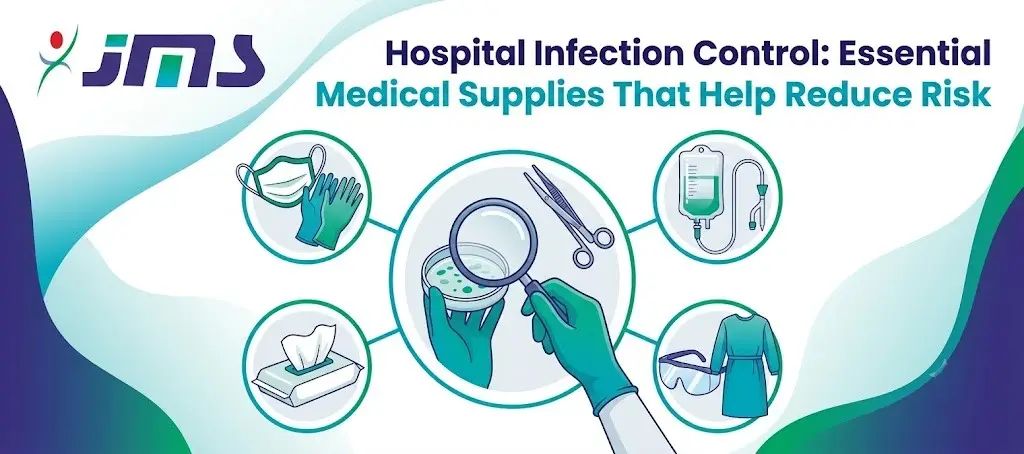
Why Better Medical Supplies Matter for Safer Hospital Infection Control

Hospital Infection Control plays an essential role in reducing infection risks and maintaining safer healthcare environments. Effective Medical Infection Control depends on proper hygiene practices and reliable Infection Prevention Supplies. Using quality Hospital Safety Supplies also strengthens Healthcare Infection Prevention, helping protect patients, healthcare professionals, and visitors from potential exposure to harmful microorganisms. Hospitals and healthcare facilities treat many patients every day. As a result, maintaining a clean and safe healthcare environment is essential for protecting patients, doctors, nurses, and other healthcare workers. Hospital infection control focuses on reducing the spread of harmful microorganisms within healthcare settings. While proper hygiene and safety procedures are important, medical supplies also play a major role in supporting infection prevention. Therefore, using suitable medical consumables, disposable products, and protective supplies can help healthcare facilities maintain better hygiene and reduce infection risks. What Is Hospital Infection Control? Hospital infection control refers to the practices used to prevent and reduce the spread of infections in healthcare facilities. These practices are important because microorganisms can spread through contaminated hands, medical equipment, surfaces, wounds, and healthcare waste. Hospital infection control commonly includes: • Proper hand hygiene• Safe use of medical supplies• Cleaning and disinfection• Correct waste disposal• Use of protective products• Safe wound care practices Moreover, healthcare staff must follow infection prevention procedures consistently to maintain patient safety. Why Infection Control Is Important in Hospitals Patients in hospitals may have weakened immune systems, open wounds, or other health conditions. Therefore, they may be more vulnerable to infections. Effective infection control helps: • Protect patients from avoidable infections• Reduce contamination risks• Support safer medical procedures• Protect healthcare professionals• Maintain hospital hygiene• Improve overall patient care As a result, infection prevention remains an important responsibility for every healthcare facility. Role of Medical Supplies in Infection Prevention Medical supplies are used during almost every stage of patient care. From wound dressing to surgical procedures, suitable healthcare products help professionals maintain safer working conditions. Essential medical supplies can help: • Create protective barriers• Reduce direct contact with contaminated materials• Support safe wound care• Maintain cleaner treatment areas• Improve healthcare hygiene practices Therefore, choosing suitable and reliable medical products is an important part of hospital infection control. Medical Gloves for Safer Patient Care Medical gloves are commonly used to reduce direct contact with blood, body fluids, and contaminated materials. Different healthcare activities may require different types of gloves. Common options include: • Surgical gloves• Examination gloves• Sterile gloves• Non-sterile gloves• Nitrile gloves Additionally, gloves should be changed between appropriate patient care activities and disposed of correctly after use. Gauze and Wound Dressing Products Wound care products are essential for managing injuries, surgical wounds, and other skin damage. Gauze swabs, absorbent cotton, and suitable wound dressings help healthcare professionals clean, cover, and protect wound areas. These products can support: • Clean wound care procedures• Absorption of wound fluids• Protection of the wound area• Reduced unnecessary contamination• Better wound management Consequently, quality wound care supplies are important for both patient safety and infection prevention. Disposable Medical Products Disposable medical products are designed for limited or single-use applications, depending on the product and manufacturer instructions. Common disposable healthcare supplies may include: • Medical gloves• Certain wound care products• Disposable protective items• Medical consumables• Procedure-related supplies Moreover, correct use and disposal of suitable single-use products can help reduce cross-contamination risks. Sterile Medical Supplies Sterile medical supplies are especially important during procedures where contamination risks must be carefully controlled. These products may include sterile gauze, wound dressings, surgical gloves, and other procedure-related supplies. Using suitable sterile medical products helps: • Support safer medical procedures• Reduce exposure to microorganisms• Maintain clinical hygiene• Protect sensitive wound areas• Improve infection prevention practices Therefore, healthcare facilities should store and handle sterile products carefully. Medical Cotton and Absorbent Products Medical cotton products are widely used in hospitals, clinics, and treatment centres. Absorbent cotton may be used for cleaning, applying solutions, or supporting different patient care procedures. Quality absorbent products should be: • Clean and suitable for medical use• Highly absorbent• Easy to handle• Properly stored• Used according to their intended purpose Furthermore, healthcare professionals should avoid using damaged or contaminated medical products. Importance of Protective Medical Supplies Protective healthcare supplies help create a barrier between healthcare workers and potential sources of contamination. Depending on the healthcare activity, suitable protective products may help reduce exposure to infectious materials. Proper use of protective supplies supports: • Healthcare worker safety• Patient protection• Better hygiene practices• Reduced contamination risks• Safer clinical environments However, protective products must be used correctly to provide effective support. Safe Storage of Medical Supplies Medical products should be stored properly to protect their quality and packaging. Poor storage conditions may expose healthcare supplies to moisture, dust, damage, or contamination. Healthcare facilities should: • Maintain clean storage areas• Protect products from moisture• Check packaging regularly• Monitor expiry dates• Organize supplies properly• Follow manufacturer storage instructions As a result, proper storage helps healthcare facilities maintain reliable medical supplies. Correct Disposal of Used Medical Products Used medical products may contain contaminated materials. Therefore, they should be disposed of according to applicable biomedical waste management procedures. Healthcare staff should avoid mixing contaminated medical waste with general waste. Proper disposal can help: • Reduce exposure to contaminated materials• Protect waste handlers• Support hospital hygiene• Prevent unsafe reuse• Improve medical waste management Additionally, healthcare facilities should provide staff with suitable waste segregation training. Choosing Quality Medical Supplies for Hospitals Reliable medical supplies support safe and efficient healthcare services. Hospitals and clinics should consider several factors when selecting medical products. These include: • Product quality• Intended medical use• Suitable packaging• Reliable manufacturing• Consistent product availability Therefore, choosing medical products from reliable manufacturers and suppliers can support better hospital operations. Trusted Medical and Healthcare Products by JMS Medicon Looking for reliable medical, surgical, and healthcare products? 📍 JMS Medicon Private LimitedPlot No-85, Padmalava Nagar, Trisulia,Cuttack, Odisha – 754005 📞 Phone: +91 9437040988📧 Email: jmsmedicon@gmail.com🌐 Website: jmsmedicon.com JMS Medicon supports hospitals, clinics, and healthcare facilities with quality medical and surgical products

Why Better Medical Supplies Matter for Safer Hospital Infection Control Read More »

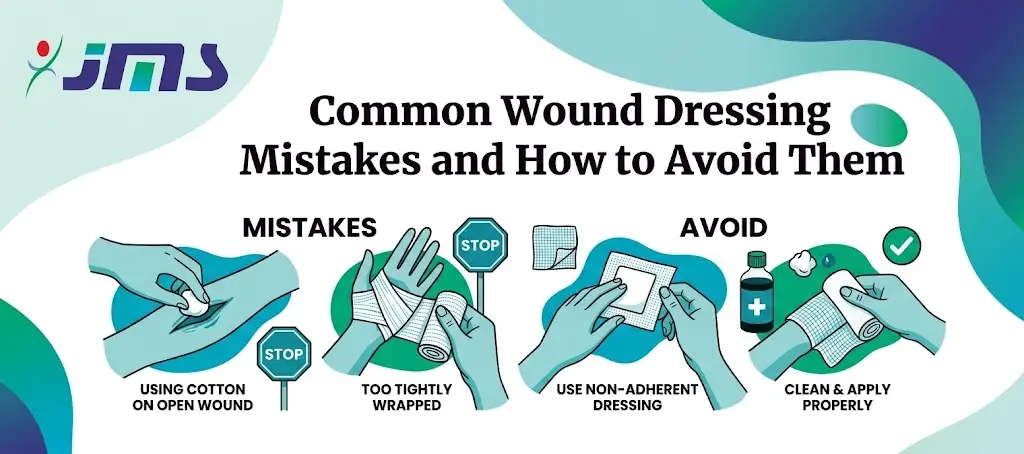
Common Wound Dressing Mistakes and How to Avoid Them

Wound Dressing Mistakes are common but can significantly affect the healing process and increase the risk of complications. Simple Wound Care Errors, improper dressing techniques, and poor hygiene practices may lead to delayed recovery and infection. Understanding Dressing Change Mistakes and maintaining Proper Wound Dressing are essential for reducing Wound Infection Risk and promoting healthy tissue repair. Proper wound care plays an important role in preventing infections and promoting faster healing. While wound dressings help protect injuries and support recovery, incorrect dressing practices can delay healing and increase the risk of complications. Therefore, understanding common wound dressing mistakes and avoiding them is essential for maintaining hygiene and ensuring effective wound management. Whether at home, in clinics, or in hospitals, following the right dressing techniques can make a significant difference in recovery. Why Proper Wound Dressing Is Important A wound dressing acts as a protective barrier and creates a suitable environment for healing. It helps: • Prevent infections• Absorb excess fluids• Protect wounds from dirt and bacteria• Support faster tissue repair• Reduce discomfort during recovery Moreover, proper wound care helps minimize complications and improves patient outcomes. Using Non-Sterile Materials One of the most common mistakes is using non-sterile or contaminated materials for dressing wounds. This can lead to: • Increased infection risk• Delayed healing• Spread of bacteria Therefore, sterile gauze swabs, cotton, and dressing materials should always be used whenever possible. Not Washing Hands Before Dressing Clean hands are essential before touching any wound or dressing material. Failing to wash hands may: • Transfer germs to the wound• Cause infections• Increase healing time Additionally, disposable medical gloves can provide extra protection and maintain hygiene during dressing changes. Changing Dressings Too Frequently Many people believe that changing dressings repeatedly helps wounds heal faster. However, excessive dressing changes can disturb newly forming tissues. This may result in: • Delayed healing• Increased pain• Greater risk of infection Therefore, dressings should only be changed according to medical advice or when they become wet, dirty, or loose. Leaving Dressings On for Too Long On the other hand, keeping the same dressing for an extended period can also create problems. Old dressings may: • Accumulate bacteria• Cause unpleasant odors• Increase moisture buildup• Lead to infections Hence, dressings should be inspected regularly and replaced when necessary. Applying Excessive Pressure While securing dressings is important, applying too much pressure can restrict blood circulation. Excessively tight dressings may cause: • Swelling• Pain and discomfort• Reduced blood flow• Slower healing Therefore, dressings should be secure but comfortable. Ignoring Signs of Infection Many people overlook early signs of wound infection. Warning signs may include: • Increased redness• Swelling around the wound• Pus or unusual discharge• Persistent pain• Fever If these symptoms appear, medical attention should be sought promptly to prevent complications. Using the Wrong Type of Dressing Different wounds require different types of dressings. Using an unsuitable dressing may: • Delay healing• Cause excessive dryness or moisture• Increase discomfort• Reduce protection against infection Therefore, selecting the appropriate dressing material is essential for effective wound care. Reusing Disposable Dressing Materials Disposable medical products are intended for single use only. Reusing them can: • Introduce bacteria into the wound• Increase contamination risks• Compromise patient safety Consequently, fresh and sterile dressing supplies should always be used. Removing Dressings Improperly Pulling off dressings forcefully can damage healing tissues and cause pain. To avoid this problem: • Remove dressings gently• Use sterile saline if needed• Follow proper wound care procedures• Avoid unnecessary trauma to the wound This helps protect newly formed tissues and supports smoother healing. Failing to Keep the Wound Clean A clean wound environment is essential for proper recovery. Poor hygiene may lead to: • Bacterial growth• Delayed healing• Increased infection risk• Additional complications Therefore, wounds should be cleaned according to medical recommendations before applying fresh dressings. Importance of Using Quality Wound Care Products High-quality dressing materials contribute significantly to better healing outcomes. Reliable wound care products provide: • Proper sterility• High absorbency• Skin-friendly materials• Secure protection against contaminants• Better patient comfort Additionally, quality products help healthcare professionals manage wounds more effectively. Trusted Medical and Surgical Products by JMS Medicon Looking for reliable wound care and disposable medical products? 📍 JMS Medicon Private LimitedPlot No-85, Padmalava Nagar, Trisulia,Cuttack, Odisha – 754005 📞 Phone: +91 9437040988📧 Email: jmsmedicon@gmail.com🌐 Website: jmsmedicon.com Better Wound Care Begins with the Right Practices Proper wound dressing is essential for preventing infections and supporting faster recovery. Avoiding common mistakes and using quality medical supplies can greatly improve healing outcomes and reduce complications. By following correct dressing techniques and maintaining hygiene, patients and healthcare professionals can ensure safer and more effective wound management.

Common Wound Dressing Mistakes and How to Avoid Them Read More »

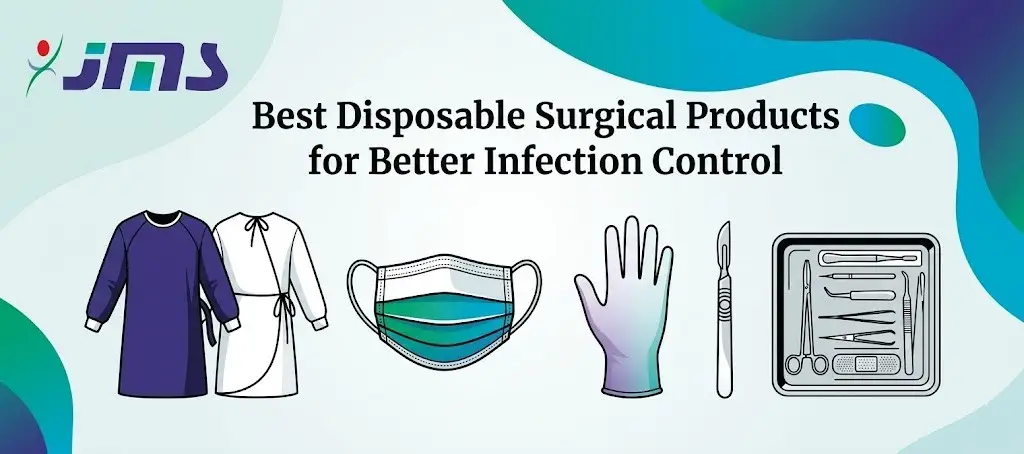
JMS banner with the headline 'Best Disposable Surgical Products for Better Infection Control' and icons of a disposable gown, a medical robe, a face mask, a surgical glove, a scalpel, and a surgical instrument tray.

Best Disposable Surgical Products for Better Infection Control

Disposable surgical products play an essential role in maintaining safety, cleanliness, and efficiency in modern healthcare settings. High-quality medical supplies such as surgical gloves, masks, dressings, and disposable materials help improve hospital hygiene and reduce infection risks during treatment. These products are widely used for wound care, surgeries, emergency treatment, and routine medical procedures. Proper use of disposable products supports safer healthcare environments for both patients and medical professionals.a Modern hospitals depend on disposable surgical products and reliable medical supplies to maintain proper hospital hygiene and patient safety. Essential items like surgical gloves and disposable dressing materials are widely used for effective wound care and infection prevention. High-quality disposable surgical products, sterile medical supplies, protective surgical gloves, and proper wound care products help improve hospital hygiene during surgeries and emergency treatment. Healthcare facilities continue to rely on disposable products for safer and more efficient patient care. Healthcare facilities rely heavily on disposable surgical products to improve patient safety and maintain proper hospital hygiene during daily medical procedures. Sterile medical supplies such as surgical gloves, gauze, masks, and dressing materials are essential for safe wound care and infection prevention. Proper use of disposable surgical products, high-quality medical supplies, protective surgical gloves, and reliable wound care products helps strengthen hospital hygiene standards in clinics and hospitals. Consistent use of disposable healthcare products also improves efficiency and supports safer treatment environments for patients and healthcare workers.   Importance of Disposable Surgical Products in Modern Healthcare Disposable surgical products have become an essential part of modern healthcare systems. From hospitals and clinics to emergency care centers and operation theatres, these products help maintain hygiene, improve patient safety, and reduce the risk of infections. Today, healthcare professionals rely heavily on disposable medical supplies because they provide convenience, efficiency, and a higher standard of protection for both patients and medical staff. What Are Disposable Surgical Products? Disposable surgical products are single-use medical items designed to be used once and safely discarded after use. These products are commonly used in: • Hospitals• Clinics• Diagnostic centers• Operation theatres• Emergency care units Common examples include: • Surgical gloves• Gauze swabs• Cotton rolls• Surgical masks• Bandages• Syringes• Disposable drapes• Surgical tapes These products play a critical role in maintaining sterile healthcare environments. Why Disposable Surgical Products Are Important Modern healthcare depends on strict hygiene and infection control standards. Disposable products help healthcare facilities maintain these standards effectively. Reduced Risk of Infections One of the biggest advantages of disposable surgical products is infection prevention. Single-use products reduce the chances of: • Cross-contamination• Hospital-acquired infections• Bacterial transmission• Viral spread between patients Using sterile disposable items improves patient safety during medical procedures and wound care. Improved Hygiene Standards Disposable products are manufactured under controlled conditions to maintain cleanliness and sterility. This helps healthcare professionals provide: • Safer treatments• Cleaner surgical environments• Better wound management• Improved patient care Maintaining proper hygiene is especially important during surgeries and invasive procedures. Convenience and Time Efficiency Reusable medical products often require: • Cleaning• Sterilization• Inspection• Maintenance Disposable products eliminate these extra steps, allowing healthcare staff to save time and focus more on patient care. This improves workflow efficiency in busy hospitals and clinics. Better Safety for Healthcare Workers Disposable surgical products also help protect doctors, nurses, and healthcare workers from exposure to harmful infections. Protective products such as: • Surgical gloves• Face masks• Disposable gowns help reduce direct contact with blood, fluids, and infectious materials. This is especially important during surgeries and emergency procedures. Essential in Modern Surgeries Operation theatres require highly sterile conditions to prevent complications. Disposable surgical products help maintain safety during procedures by: • Preventing contamination• Supporting infection control protocols• Providing sterile operating conditions Many advanced surgical procedures now rely heavily on high-quality disposable medical supplies. Importance in Wound Care Disposable wound care products are widely used in hospitals and home healthcare settings. Products such as: • Gauze swabs• Cotton rolls• Dressings• Surgical tapes help absorb fluids, protect wounds, and support proper healing. Proper wound management reduces the risk of delayed healing and infection. Cost-Effective Healthcare Solution Although disposable products are designed for single use, they often reduce long-term healthcare costs by lowering infection-related complications and sterilization expenses. Benefits include: • Reduced risk of repeat treatment• Lower sterilization costs• Faster patient management• Improved operational efficiency This makes disposable medical supplies an important investment for healthcare facilities. Role During Public Health Emergencies The importance of disposable medical products became even more visible during global health emergencies such as the COVID-19 pandemic. Products like: • Masks• Gloves• PPE kits• Disposable protective equipment played a major role in protecting healthcare workers and patients. The demand for reliable surgical products continues to grow as healthcare systems focus more on safety and infection control. Choosing High-Quality Disposable Surgical Products Healthcare providers should always choose products that meet proper quality and safety standards. Reliable surgical products should offer: • High absorbency• Proper sterility• Skin-friendly materials• Strong durability• Safe packaging Using high-quality products improves both patient safety and treatment outcomes. The Future of Disposable Medical Products Healthcare technology is continuously evolving, and disposable medical products are becoming more advanced and efficient. Future innovations may focus on: • Eco-friendly materials• Improved comfort and safety• Better absorbency and protection• Advanced infection control solutions The healthcare industry will continue to depend on disposable products for safer and more effective patient care. Trusted Surgical and Medical Products by JMS Medicon Looking for reliable disposable surgical and medical products for healthcare use? 📍 JMS Medicon Private LimitedPlot No-85, Padmalava Nagar, Trisulia,Cuttack, Odisha – 754005 📞 Phone: +91 9437040988📧 Email: jmsmedicon@gmail.com🌐 Website: jmsmedicon.com Disposable surgical products are a vital part of modern healthcare infrastructure. From infection prevention to patient safety and operational efficiency, these products help healthcare professionals deliver better medical care every day. Choose trusted quality products that support safer treatments, better hygiene, and improved healthcare outcomes.

Best Disposable Surgical Products for Better Infection Control Read More »