Quality Assurance

Medical Product Traceability Banner

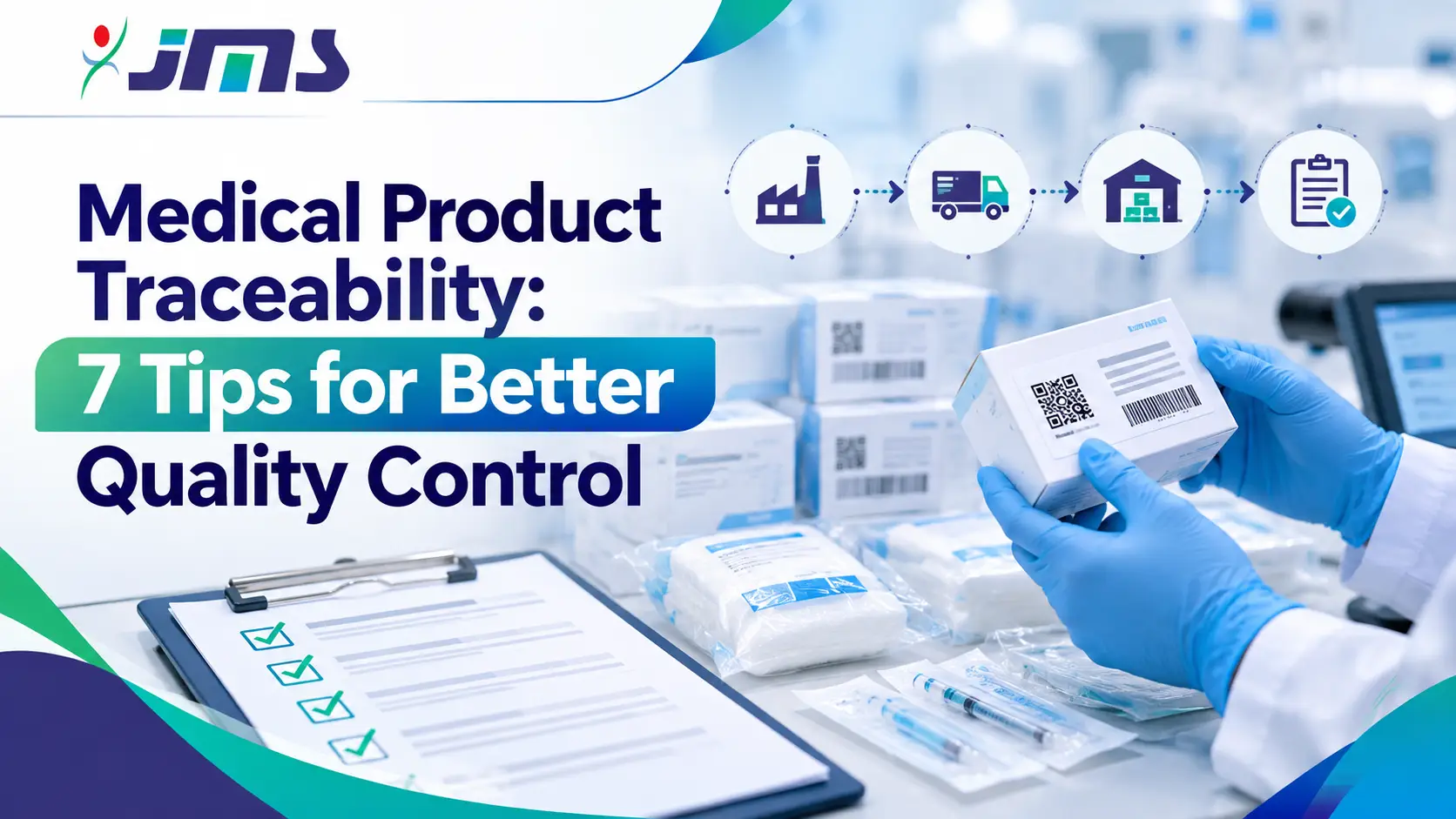
Medical Product Traceability: 7 Tips for Better Quality Control

Medical product traceability is an important part of quality management across the healthcare supply chain. Hospitals, clinics, medical distributors, and healthcare suppliers need reliable product information to identify medical supplies, verify documentation, manage inventory, and respond effectively when a quality issue occurs. Batch records, product labels, purchase documents, and supplier records help establish a documented history of medical products as they move through manufacturing, distribution, storage, and delivery. A well-organised traceability process can help healthcare organisations improve inventory control, support quality investigations, and maintain better visibility over the products they purchase and distribute. In this article, we explore seven ways medical product traceability and documentation support healthcare quality. What Is Medical Product Traceability? Medical product traceability is the ability to identify and follow a product through relevant stages of its supply chain using records such as product identifiers, batch or lot numbers, supplier information, and transaction documents. The exact traceability requirements depend on the product category, applicable regulations, and the organisation’s role in the supply chain. For example, a healthcare facility receiving medical consumables may record the product name, supplier, quantity, batch or lot number where applicable, receipt date, and expiry date where relevant. These details help staff identify the products held in stock and retrieve information when needed. 1. Supports Product Identification and Verification Accurate product identification helps healthcare organisations confirm that the products received match the items ordered. Product labels and accompanying documents can provide details about the manufacturer, product model or reference, batch or lot number, quantity, and intended use, depending on the product. Procurement and receiving teams should compare this information with purchase orders and delivery documents before accepting supplies into inventory. How it supports quality: Helps identify products accurately Reduces the risk of product mix-ups Supports verification of delivered quantities and specifications Makes relevant product information easier to retrieve Consistent product identification also helps staff communicate clearly with suppliers when discrepancies arise. 2. Improves Batch and Lot Record Management Batch or lot numbers can help distinguish one production group from another. When a quality concern affects a particular batch, these identifiers may help organisations determine which products need investigation. Healthcare facilities and distributors should maintain batch or lot information where applicable and appropriate to the product and their traceability obligations. Records should be accurate, legible, and linked to relevant receiving, storage, and distribution information. How it supports quality: Helps identify affected product batches Supports targeted investigations Improves stock visibility Reduces unnecessary disruption when an issue is limited to specific products Batch-level records are particularly useful when suppliers issue a product alert or recall. 3. Strengthens Supplier Accountability Supplier documentation helps organisations establish where products came from and which commercial transactions relate to a particular delivery. Purchase orders, invoices, delivery notes, supplier details, and relevant product documentation create an evidence trail that can be reviewed when a discrepancy or quality complaint occurs. Healthcare organisations should maintain clear procedures for supplier approval, document review, and follow-up on missing or inconsistent information. How it supports quality: Improves visibility into product sourcing Helps resolve order discrepancies Supports supplier performance evaluations Creates a clearer record of purchasing decisions Reliable documentation also makes it easier to assess whether a supplier consistently meets the organisation’s procurement requirements. 4. Helps Manage Expiry Dates and Inventory Rotation Some medical products have expiry dates or use-by dates that must be monitored. Traceable inventory records help staff identify products approaching expiry and apply appropriate stock-rotation procedures. A first-expiry-first-out (FEFO) approach prioritises the use or distribution of suitable products with the earliest expiry dates, subject to their storage conditions and applicable requirements. Facilities should also document damaged, expired, quarantined, or otherwise unsuitable stock according to their internal procedures. How it supports quality: Improves expiry-date visibility Supports appropriate stock rotation Helps reduce avoidable inventory waste Makes stock checks more systematic Accurate records are most effective when combined with routine physical inspections and appropriate storage practices. 5. Supports Product Complaints and Quality Investigations When a product complaint is reported, relevant documentation can help an organisation understand what was supplied, when it was received, and which batch or lot may be involved. For example, a healthcare distributor receiving a complaint about damaged packaging may review the delivery record, product label, supplier information, and any available inspection documentation. The organisation can then follow its established process for documenting the complaint, notifying the relevant parties, and determining whether further investigation is required. How it supports quality: Provides information for complaint investigations Helps identify potentially affected stock Improves communication with suppliers Supports corrective and preventive action where appropriate A consistent complaint-management process helps organisations identify recurring issues and evaluate whether changes are necessary. 6. Improves Recall Readiness and Response A product recall or safety notice may require an organisation to identify affected products and take appropriate action within a specified timeframe. Traceability records can help determine whether the relevant products are in stock, have been transferred to another location, or have already been distributed to customers or facilities. Organisations should maintain a documented procedure for reviewing product alerts, identifying affected stock, communicating with relevant parties, and recording actions taken. How it supports quality: Helps locate potentially affected products Supports timely communication Enables more targeted stock checks Creates records of actions taken during a recall Traceability records do not replace an effective recall procedure, but they can make that procedure easier to execute. 7. Supports Audits and Continuous Quality Improvement Healthcare suppliers and facilities may need to review purchasing records, product documents, stock movements, and complaint histories during internal assessments, customer reviews, or applicable regulatory inspections. Organised documentation makes it easier to retrieve evidence and identify gaps in existing procedures. Periodic reviews can also reveal opportunities to improve receiving checks, supplier communication, inventory accuracy, and record retention. How it supports quality: Makes relevant documents easier to retrieve Supports consistent internal procedures Helps identify gaps in recordkeeping Provides information for process improvement Records should be retained, protected, and made accessible according to applicable requirements and organisational policies. Essential Documents for Medical Product Traceability The

Medical Product Traceability: 7 Tips for Better Quality Control Read More »
Manufacturing Processes

Consistent Manufacturing Processes: The Key to Reliable Healthcare Products

Healthcare facilities depend on medical products that are consistent, clearly specified, and suitable for their intended applications. Hospitals, clinics, nursing homes, diagnostic centres, surgical facilities, and distributors may purchase the same medical products repeatedly, making consistency an important consideration in healthcare procurement. Products such as medical gloves, cotton, gauze, dressings, medical tapes, orthopedic products, and medical devices can have different specifications and quality requirements. When manufacturers maintain consistent production processes and defined product standards, healthcare buyers can have clearer expectations about the products they receive. For healthcare procurement teams, manufacturing consistency is therefore an important part of evaluating a dependable medical product supplier. What Does Manufacturing Consistency Mean? Manufacturing consistency means maintaining defined processes and controls so that products are produced according to established specifications across production batches. A consistent manufacturing process may involve controls related to: Raw materials Production processes Equipment Product dimensions Product characteristics Inspection Packaging Labelling Documentation Batch traceability The specific controls depend on the product and its intended use. The objective is to minimize unnecessary variation and produce products that consistently meet their defined requirements. Why Consistency Matters to Healthcare Buyers Healthcare facilities often purchase products repeatedly. If a buyer orders the same product every month, they generally expect it to meet the same stated specifications each time. Consistent manufacturing can support: Predictable product characteristics More reliable procurement Easier inventory planning Consistent product selection Reduced uncertainty between batches Better supplier evaluation More efficient stock management This is particularly useful for facilities that purchase high volumes of frequently used medical consumables. 1. Consistent Raw Material Selection The finished characteristics of a healthcare product can be influenced by the materials used during production. Manufacturers can establish appropriate processes for sourcing, receiving, evaluating, and controlling raw materials according to their quality systems and product requirements. For example, products such as medical cotton, gauze, gloves, and tapes can have different material specifications depending on their intended application. Consistent control of raw materials can help support more predictable finished products. 2. Standardized Production Processes A defined manufacturing process provides a structured way of producing products according to established requirements. Standardized processes may address: Production steps Equipment settings Process controls Inspection points Packaging procedures Documentation When processes are properly controlled, manufacturers can reduce avoidable variation between batches. The exact process will naturally differ between a cotton product, gauze product, medical glove, tape, or medical device. 3. Defined Product Specifications Product standards and specifications tell manufacturers and buyers what characteristics a product is expected to have. Specifications may include: Product dimensions Material Weight Size Quantity Construction Absorbency characteristics Packaging format Intended use Storage requirements Shelf life, where applicable Clear specifications make it easier for healthcare buyers to understand what they are purchasing. 4. Inspection Helps Maintain Consistency Inspection can be an important part of a manufacturer’s quality process. Depending on the product, inspection may examine: Appearance Dimensions Physical characteristics Packaging Labelling Product-specific requirements Inspection can help identify products that do not meet defined requirements before they are released or distributed. However, inspection is only one part of an overall quality-management system. 5. Packaging Consistency Supports Product Protection Packaging should also be considered when evaluating product consistency. Consistent packaging can help ensure that products are: Properly identified Protected during transportation Easier to store Easier to count Easier to organize Protected from unnecessary environmental exposure Packaging may also communicate important information such as product name, size, quantity, batch/lot information, expiry information where applicable, and storage instructions. 6. Labelling Supports Accurate Identification Clear and consistent labeling can help healthcare facilities distinguish between products. This can be particularly important when similar products are available in different: Sizes Materials Specifications Sterility status Packaging quantities For example, a healthcare facility may stock several sizes of gloves or multiple types of gauze. Accurate product labeling can help staff identify the correct product more efficiently. 7. Batch and Lot Traceability Batch or lot identification can support traceability throughout the healthcare supply chain. A batch or lot number can help connect a product to its manufacturing information. Depending on the product and applicable requirements, traceability can support: Inventory management Quality investigations Complaint handling Product identification Expiry monitoring Recall management where necessary Healthcare facilities should maintain relevant information according to their own procedures and applicable requirements. 8. Consistency Makes Procurement Easier When product specifications are clearly defined and consistently maintained, procurement teams can make repeat purchases with greater clarity. For example, a hospital purchasing medical gauze can establish requirements for: Size Layers Material Sterility status Packaging Quantity If those specifications remain consistent, the procurement team can more easily compare subsequent orders against the established requirements. 9. Consistency Supports Inventory Planning Predictable product specifications can also make inventory management easier. Healthcare facilities can organize products based on: Product type Size Specification Usage frequency Department Stock level Expiry When product specifications remain consistent, staff can maintain clearer inventory records and reduce confusion between similar products. 10. Consistency Supports Departmental Requirements Different healthcare departments may have different product requirements. For example: Emergency Department May require high volumes of commonly used medical consumables. Operation Theatre May require specific surgical and procedure-related products. Orthopedic Department May require specialized orthopedic supplies and dressing materials. Dental Department May require dental-specific products such as dental cotton rolls. When products are manufactured to consistent specifications, departments can plan their recurring requirements more effectively. 11. Standards Help Define Product Expectations The term “standard” can refer to different types of requirements depending on the product and market. These may include: Internal product specifications Quality-management requirements Applicable regulatory requirements Industry standards Customer specifications Testing requirements Healthcare buyers should determine which standards and certifications are relevant to the particular product rather than assuming that one standard applies to all healthcare products. 12. Quality Documentation Builds Transparency Documentation can help healthcare buyers understand how a product is defined and controlled. Depending on the product, relevant documentation may include: Product specifications Test reports Quality certificates Batch information Manufacturing information Storage instructions Applicable compliance documentation The exact documentation required depends on the product and applicable regulations. Clear documentation

Consistent Manufacturing Processes: The Key to Reliable Healthcare Products Read More »

Quality Checks

12 Must-Know Quality Checks for Safe and Reliable Medical Products

Healthcare facilities depend on medical products that are consistent, clearly specified, properly packaged, and manufactured under appropriate quality processes. Products such as medical gloves, cotton, gauze, surgical tapes, orthopedic supplies, dressings, and medical devices may be used regularly in hospitals, clinics, diagnostic centres, and other healthcare environments. For healthcare buyers, product quality is not determined by appearance or price alone. Consistent manufacturing processes, product inspection, accurate specifications, packaging checks, and appropriate manufacturing standards all contribute to a more reliable healthcare supply chain. Understanding these quality factors can help hospitals, clinics, distributors, and procurement teams make more informed purchasing decisions. What Does Quality Mean in Healthcare Products? Quality in healthcare products involves more than simply producing an item that looks acceptable. A quality-focused manufacturing process aims to achieve consistency in areas such as: Raw material selection Manufacturing processes Product dimensions Physical characteristics Packaging Labelling Batch consistency Storage requirements Applicable quality and regulatory requirements The specific quality requirements vary depending on the product and its intended use. Therefore, healthcare buyers should always review the manufacturer’s product specifications and applicable documentation. 1. Importance of Consistent Quality Processes Consistency is one of the most important aspects of medical product manufacturing. Healthcare facilities often purchase the same products repeatedly. If product characteristics vary significantly between batches, it can make procurement, inventory management, and product use more difficult. A consistent quality process can help manufacturers maintain predictable product characteristics from one production batch to another. Why Consistency Matters Consistent processes can help support: Uniform product characteristics Reliable manufacturing output Better inventory planning Easier product comparison Reduced variation between batches Greater confidence among healthcare buyers For example, when a healthcare facility repeatedly purchases a particular type of medical cotton, gloves, or gauze, consistent specifications can make routine procurement more predictable. 2. Importance of Product Inspection Inspection is an important part of quality management. Depending on the product, inspection may involve checking physical characteristics, dimensions, appearance, packaging, labelling, or other defined requirements. The exact inspection process should be based on the product’s specifications and applicable quality procedures. Inspection Can Help Identify Visible defects Incorrect dimensions Packaging problems Labelling issues Product inconsistencies Damage during handling or production Inspection does not replace a complete quality-management system, but it can be an important component of maintaining product consistency. 3. Why Clear Product Specifications Matter Product specifications provide measurable or defined information about what a product is supposed to be. For healthcare buyers, clear specifications make it easier to understand whether a product is suitable for its intended application. Specifications may include: Product name Material Size Dimensions Weight Quantity Product composition Intended application Packaging format Shelf life, where applicable Storage requirements Example A healthcare buyer purchasing cotton should know whether the requirement is for absorbent cotton, cotton rolls, dental cotton rolls, or another product format. Similarly, a buyer ordering medical gloves may need to consider material, size, intended application, packaging, and other product-specific characteristics. Clear specifications reduce ambiguity and help procurement teams compare products more effectively. 4. Packaging Checks Are an Important Quality Step Packaging is not simply an outer covering. It can help protect medical products during manufacturing, transportation, storage, and handling. Packaging checks can help identify problems such as: Torn packaging Punctures Broken seals Moisture damage Incorrect labels Damaged cartons Missing product information For products where packaging integrity is important, healthcare facilities should inspect packaging before placing products into use. If packaging appears compromised, the product should be handled according to the facility’s quality and safety procedures. 5. Manufacturing Standards and Quality Management Medical products should be manufactured under processes appropriate to their product category and intended application. Manufacturing standards and quality-management systems can provide a structured framework for areas such as: Production control Quality assurance Documentation Inspection Traceability Corrective actions Process monitoring Product release The specific standards or regulatory requirements applicable to a product depend on factors such as the product category, intended use, market, and applicable regulations. Healthcare buyers should therefore avoid assuming that one certification or standard applies equally to every medical product. 6. Raw Material Quality The quality of a finished healthcare product can be influenced by the materials used to manufacture it. Manufacturers may establish processes for selecting, receiving, evaluating, and controlling raw materials according to their quality systems and product requirements. For products such as medical cotton, gauze, gloves, tapes, and other consumables, appropriate raw material selection can contribute to consistent finished-product characteristics. Healthcare buyers can ask suppliers about relevant material specifications and quality documentation when appropriate. 7. Batch and Lot Traceability Traceability can be particularly useful in healthcare product supply chains. Batch or lot information can help manufacturers and buyers identify products associated with a particular production batch. Depending on the product, traceability information may support: Inventory management Quality investigations Product identification Expiry monitoring Complaint handling Product recalls, where necessary Healthcare facilities should maintain relevant batch or lot information according to their own procedures and applicable requirements. 8. Quality Checks Should Continue Beyond Manufacturing Quality does not end when a product leaves the production line. Products can potentially be affected by transportation, handling, storage, and distribution. A healthcare facility can therefore perform appropriate checks when receiving supplies. Receiving Inspection Checklist Before accepting products into inventory, buyers or receiving teams can check: Product: Is the correct product supplied? Quantity: Does the delivered quantity match the order? Packaging: Is the packaging intact? Labelling: Are product details and batch/lot information clear? Expiry: Is the product within its stated shelf life? Condition: Is there visible damage, contamination, or moisture exposure? Documentation: Is required product documentation available? These checks can help identify issues before products enter regular inventory. 9. Storage and Quality Go Together Even products manufactured under appropriate quality processes need suitable storage after delivery. Healthcare facilities should follow manufacturer storage instructions and protect products from conditions that could affect their quality or packaging. General considerations may include: Clean storage areas Moisture control Appropriate temperature according to manufacturer instructions Protection from direct sunlight where applicable Protection from physical damage Original packaging protection Proper stock organization Expiry

12 Must-Know Quality Checks for Safe and Reliable Medical Products Read More »

Medical Manufacturers

How Reliable Medical Manufacturers and Suppliers Support Healthcare Facilities

Healthcare facilities depend on a wide range of products every day to support patient care, infection prevention, wound management, diagnosis, treatment, and routine clinical procedures. From medical gloves and gauze to cotton products, surgical tapes, orthopedic supplies, and respiratory-care equipment, these products may appear simple, but their quality and availability can have an important role in healthcare operations. This is why choosing dependable medical manufacturers and suppliers is an important decision for hospitals, clinics, nursing homes, diagnostic centres, pharmacies, and other healthcare organizations. A reliable supplier does more than provide products. It can help healthcare facilities maintain consistent product availability, meet operational requirements, support quality standards, and build a dependable supply chain. Why Reliable Medical Manufacturers Matter Healthcare providers cannot afford unnecessary interruptions in the availability of essential medical products. A shortage of basic consumables can affect routine procedures and create additional pressure for procurement teams. Reliable manufacturers and suppliers can help address these challenges through: Consistent product quality Reliable manufacturing processes Appropriate product packaging Product availability Timely supply and delivery Quality assurance procedures Regulatory compliance Responsive customer support For healthcare organizations, these factors can make procurement more predictable and help teams focus on patient care. Essential Product Categories Used by Healthcare Facilities Different healthcare settings require different products. However, several categories are commonly used across hospitals, clinics, surgical centres, and other medical facilities. 1. Medical Gloves Medical gloves are an important part of routine healthcare practices. They are used during examinations, wound care, procedures, cleaning activities, and other situations where hand protection and hygiene are required. Healthcare facilities need to consider factors such as intended use, material, fit, durability, packaging, and appropriate quality standards when selecting gloves. Consistent access to suitable gloves can help healthcare professionals follow established hygiene and infection-control practices. 2. Cotton Products Medical cotton products are widely used for cleaning, dressing, wound care, and other healthcare applications. Depending on the application, healthcare facilities may require products such as: Absorbent cotton rolls Cotton balls Zig-zag cotton Dental cotton rolls Non-absorbent cotton products JMS Medicon’s product range includes several cotton products designed for healthcare and medical applications. The company describes its cotton products as being made from high-grade cotton and designed for absorbency, softness, and hygienic use. For hospitals and clinics, choosing appropriate cotton products can help support efficient wound-care and cleaning procedures. 3. Gauze and Wound-Care Products Gauze is another essential category used in wound management, dressing, cleaning, and clinical procedures. Healthcare facilities may require different gauze formats depending on the intended application. Product characteristics such as absorbency, construction, sterility, packaging, and ease of use can be important considerations. For example, Gamjee Rolls combine absorbent cotton with gauze covering and can be used in hospitals, clinics, emergency-care environments, and home healthcare applications. A dependable supplier can help healthcare organizations maintain access to suitable wound-care materials across different departments. 4. Medical Tapes and Orthopedic Products Medical tapes and orthopedic products support a variety of clinical applications, including dressing fixation, cannula fixation, IV-site coverage, and orthopedic care. The JMS Medicon product portfolio includes products such as: Adhesive Plaster Cannula Fixator Elastic Adhesive Bandage Cast Padding Medicated Dressing Microporous Surgical Tape Plaster of Paris Transparent IV Dressings Selecting the right product depends on its intended clinical use, patient requirements, material characteristics, and healthcare facility protocols. 5. Respiratory and Monitoring Products Healthcare facilities also require products that support respiratory care and basic patient monitoring. JMS Medicon lists Nebulizer, B.P and O2 among its healthcare product categories. These types of products can be relevant in clinics, hospitals, home-care environments, and other healthcare settings, depending on clinical requirements. The selection of such equipment should always consider intended use, product specifications, maintenance requirements, and applicable clinical guidance. 6. Surgical and Medical Devices Hospitals and surgical facilities use a wide variety of medical devices and procedure-related products. The reliability of these products can be particularly important because healthcare professionals need supplies that are suitable for their intended application and available when required. A dependable medical manufacturer or supplier can support procurement teams by offering clear product information, consistent supply, appropriate packaging, and responsive assistance. What Should Healthcare Facilities Look for in a Medical Supplier? Price is an important consideration when purchasing healthcare products, but it should not be the only factor. Healthcare organizations should evaluate suppliers based on several criteria. Product Quality Medical products should be manufactured and handled according to appropriate quality requirements. Consistency between batches and reliable product performance are important considerations for healthcare procurement. Manufacturing Standards A supplier’s manufacturing capabilities and quality-control procedures can provide useful information about its approach to product consistency and safety. Product Range Working with a supplier that offers multiple healthcare product categories can simplify procurement and reduce the need to coordinate with numerous vendors. A broad portfolio can include medical gloves, cotton, gauze, tapes, orthopedic products, respiratory products, and other healthcare essentials. Regulatory and Quality Compliance Healthcare products may be subject to different regulatory and quality requirements depending on the product category and intended application. Healthcare organizations should verify applicable certifications, documentation, labeling, and compliance requirements before purchasing. Consistent Availability A high-quality product is of limited practical value if it is consistently unavailable when healthcare facilities need it. Reliable inventory management and supply-chain processes can therefore be an important part of supplier selection. Packaging and Storage Packaging helps protect medical products during storage and transportation. Healthcare procurement teams should consider whether packaging is appropriate for the product and its intended use. Storage requirements should also be followed according to the manufacturer’s instructions. Customer Support Good supplier relationships extend beyond the initial purchase. Responsive customer service can help healthcare organizations obtain product information, discuss requirements, clarify specifications, and manage procurement-related questions. How Reliable Suppliers Strengthen Healthcare Supply Chains Healthcare supply chains involve multiple stages, from manufacturing and quality control to packaging, warehousing, transportation, and final delivery. A dependable supplier can contribute to a stronger supply chain by maintaining consistency across these stages. This can help healthcare facilities: Reduce procurement uncertainty Maintain essential inventory Plan purchases more effectively

How Reliable Medical Manufacturers and Suppliers Support Healthcare Facilities Read More »