
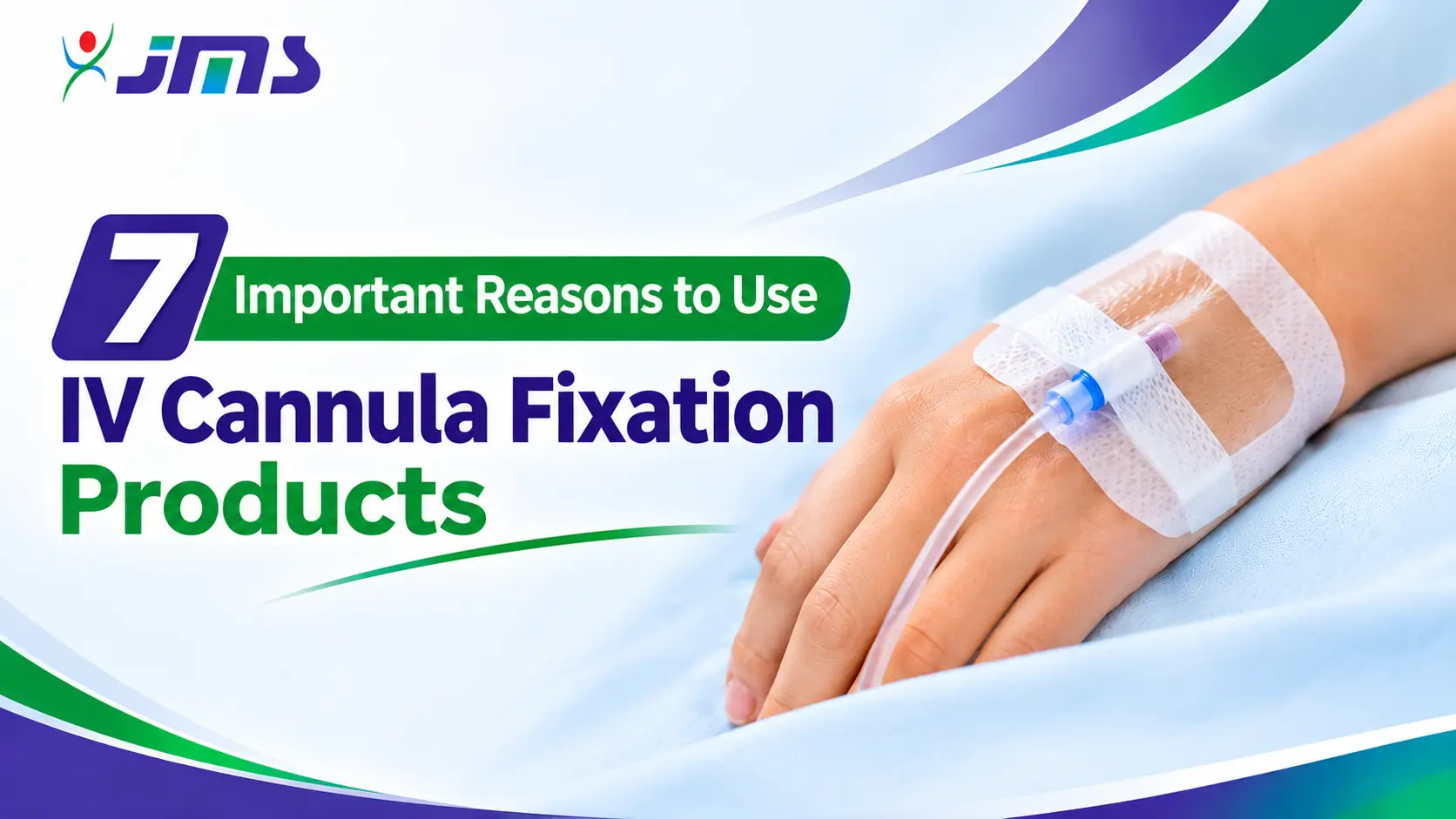
7 Important Reasons to Use IV Cannula Fixation Products
Intravenous (IV) cannulas are commonly used in hospitals, clinics, and other healthcare facilities to administer fluids, medications, and other prescribed treatments. Proper fixation of an IV cannula is important to maintain its position and support safe and effective patient care. An IV cannula fixator is a medical fixation product designed to help secure an inserted cannula and reduce unnecessary movement at the insertion site. These products are available in different designs, materials, and dressing configurations to suit various clinical requirements. Choosing suitable IV cannula fixation products can help healthcare professionals manage IV access more effectively while supporting patient comfort and dressing stability. In this blog, we explore seven important benefits of IV cannula fixators and why they are useful in healthcare settings. 1. Helps Maintain Cannula Stability One of the main benefits of an IV cannula fixator is that it helps maintain the position of the inserted cannula. Unnecessary movement around the insertion site may affect cannula positioning and interfere with IV therapy. Proper fixation helps: Secure the cannula in the intended position. Reduce unwanted movement. Support stable IV access. Maintain dressing placement. Improve routine IV site management. The fixation method should be selected according to the cannula type and clinical requirements. 2. Supports Patient Comfort Patient comfort is an important consideration during IV therapy, particularly when cannulas need to remain in place for extended periods. Suitable cannula fixation products can help reduce unnecessary movement and irritation caused by poorly secured devices. Important features include: Skin-friendly adhesive materials. Comfortable dressing designs. Suitable flexibility. Appropriate adhesive strength. Easy application and removal. Healthcare professionals should select products according to the patient’s skin condition and individual needs. 3. Helps Reduce Accidental Cannula Displacement An unsecured or poorly secured cannula may move during patient activities, repositioning, or routine nursing care. An appropriate IV cannula fixator helps support device stabilization and may reduce the likelihood of accidental displacement. This is particularly useful for patients who require regular movement or assistance with daily activities. However, fixation products cannot eliminate all risks of cannula displacement. Regular monitoring and appropriate clinical care remain essential. 4. Supports Better Insertion Site Monitoring Certain IV cannula fixation dressings are designed to provide visibility of the insertion site. Transparent dressing options can help healthcare professionals observe the surrounding skin without unnecessarily removing the dressing. This may support monitoring for: Redness around the insertion site. Swelling. Visible leakage. Dressing damage. Signs of irritation or infection. Any suspected complication should be assessed promptly by qualified healthcare professionals. 5. Helps Maintain Dressing Position Dressing stability is important for maintaining the intended coverage of an IV cannula insertion site. A suitable fixation product helps keep the dressing positioned correctly during routine patient care. Benefits may include: Better dressing adherence. Reduced dressing movement. Support for insertion site coverage. Easier routine nursing management. The dressing should be replaced whenever required by clinical guidelines or when it becomes loose, wet, soiled, or damaged. 6. Supports Efficient Nursing and Clinical Workflows Healthcare professionals manage multiple patients and clinical responsibilities throughout their shifts. Easy-to-apply IV cannula fixation products can support routine nursing workflows by simplifying cannula securement. Useful product features include: Convenient application. Appropriate adhesive performance. Clear product instructions. Suitable packaging. Compatibility with commonly used cannula designs. Selecting practical fixation products can help healthcare facilities maintain organized IV therapy procedures. 7. Helps Support Infection Prevention Practices Maintaining a clean and appropriately secured IV insertion site is an important part of infection prevention. Suitable fixation dressings help maintain the intended coverage of the insertion site and support established clinical protocols. Healthcare facilities should consider: Sterile packaging where required. Intact dressing materials. Appropriate skin preparation. Hand hygiene before and after procedures. Regular insertion site assessment. Timely dressing replacement. An IV cannula fixator does not independently prevent infection. Proper insertion techniques, aseptic practices, and ongoing monitoring are essential. Different Types of IV Cannula Fixation Products Healthcare facilities may use different types of products depending on their clinical requirements. 1. Transparent IV Cannula Dressing Transparent dressings allow healthcare professionals to observe the insertion site while helping secure the cannula. 2. Non-Woven Cannula Fixation Dressing Non-woven fixation dressings are designed to provide support and coverage around the cannula insertion area. 3. Adhesive Cannula Fixator Adhesive cannula fixators are designed to help secure the cannula and reduce unnecessary movement. 4. Integrated Cannula Stabilization Devices Some specialized devices use additional stabilization features to support catheter securement. The appropriate product depends on the cannula design, patient condition, intended application, and manufacturer’s instructions. How to Choose the Right IV Cannula Fixator Selecting the right IV cannula fixator requires evaluating several product characteristics. 1. Adhesive Quality Choose products with suitable adhesive properties for the intended application and patient’s skin condition. 2. Skin Compatibility Consider products designed for sensitive skin, especially for patients who require repeated dressing changes. 3. Product Design Select a design that supports appropriate cannula stabilization and insertion site coverage. 4. Breathability and Comfort Consider the dressing material, flexibility, and suitability for the intended wear period. 5. Packaging and Sterility Check packaging integrity, product labelling, and sterility information where applicable. 6. Product Specifications Review manufacturer documentation, dimensions, intended use, and relevant quality standards. 7. Supplier Reliability Choose suppliers who can provide consistent product availability, suitable documentation, and dependable procurement support. Why IV Cannula Fixators Are Important for Healthcare Facilities IV cannula fixation products are useful medical consumables in hospitals, nursing homes, clinics, and other healthcare environments. Their appropriate use supports: Cannula Stability: Helps maintain the intended cannula position. Patient Comfort: Supports comfortable fixation when the product is appropriately selected. Site Monitoring: Certain transparent products allow visual assessment. Dressing Management: Helps maintain appropriate dressing placement. Clinical Efficiency: Supports routine nursing and IV therapy procedures. Infection Prevention: Complements established aseptic practices and insertion site care. Healthcare facilities should establish suitable cannula fixation and monitoring protocols based on clinical guidelines. Conclusion IV cannula fixators are important medical fixation products that support cannula stabilization and insertion site management during IV therapy. From maintaining dressing position to supporting patient comfort and routine site
7 Important Reasons to Use IV Cannula Fixation Products Read More »