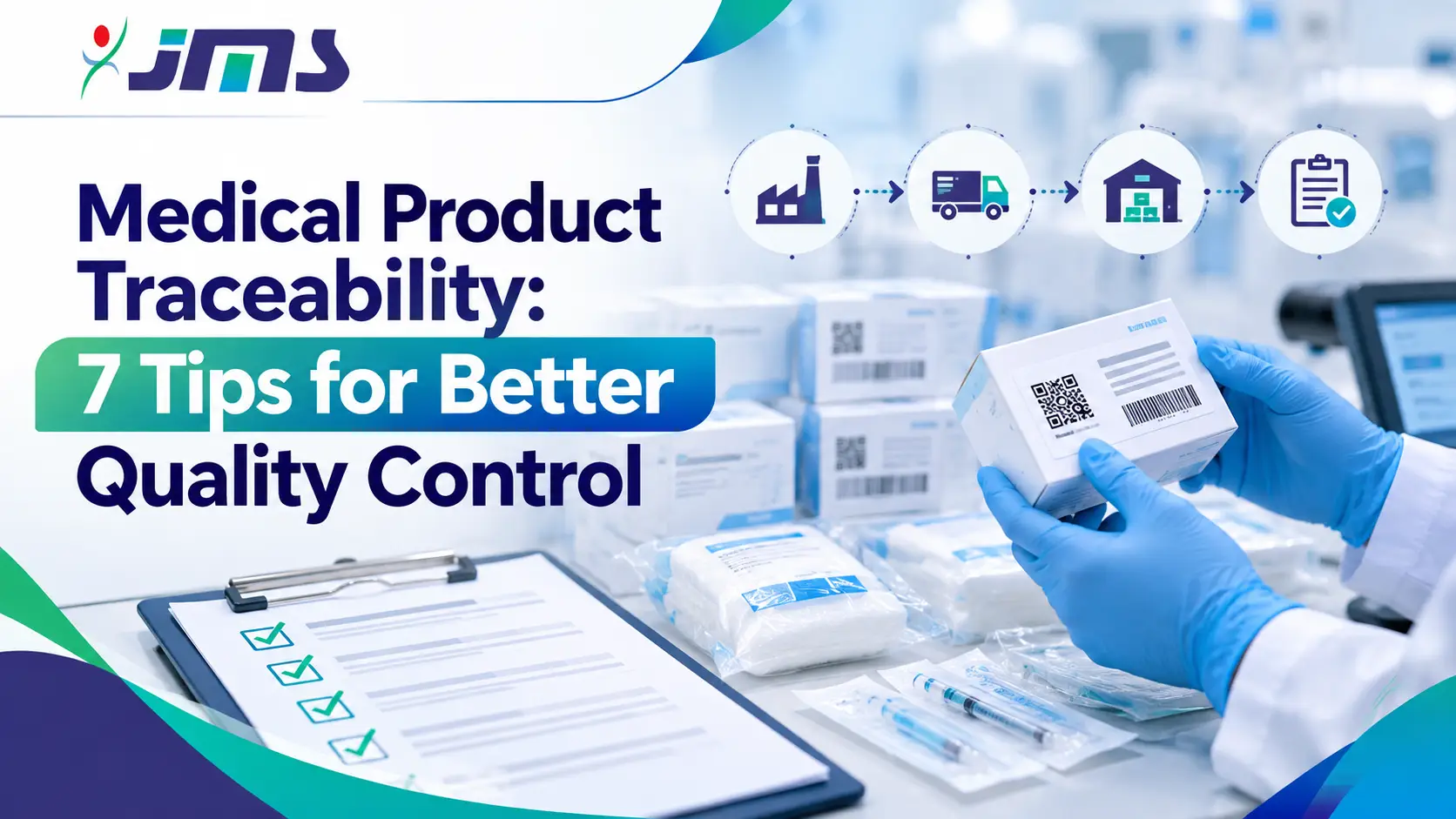
Medical Product Traceability: 7 Tips for Better Quality Control
Medical product traceability is an important part of quality management across the healthcare supply chain. Hospitals, clinics, medical distributors, and healthcare suppliers need reliable product information to identify medical supplies, verify documentation, manage inventory, and respond effectively when a quality issue occurs. Batch records, product labels, purchase documents, and supplier records help establish a documented history of medical products as they move through manufacturing, distribution, storage, and delivery. A well-organised traceability process can help healthcare organisations improve inventory control, support quality investigations, and maintain better visibility over the products they purchase and distribute. In this article, we explore seven ways medical product traceability and documentation support healthcare quality. What Is Medical Product Traceability? Medical product traceability is the ability to identify and follow a product through relevant stages of its supply chain using records such as product identifiers, batch or lot numbers, supplier information, and transaction documents. The exact traceability requirements depend on the product category, applicable regulations, and the organisation’s role in the supply chain. For example, a healthcare facility receiving medical consumables may record the product name, supplier, quantity, batch or lot number where applicable, receipt date, and expiry date where relevant. These details help staff identify the products held in stock and retrieve information when needed. 1. Supports Product Identification and Verification Accurate product identification helps healthcare organisations confirm that the products received match the items ordered. Product labels and accompanying documents can provide details about the manufacturer, product model or reference, batch or lot number, quantity, and intended use, depending on the product. Procurement and receiving teams should compare this information with purchase orders and delivery documents before accepting supplies into inventory. How it supports quality: Helps identify products accurately Reduces the risk of product mix-ups Supports verification of delivered quantities and specifications Makes relevant product information easier to retrieve Consistent product identification also helps staff communicate clearly with suppliers when discrepancies arise. 2. Improves Batch and Lot Record Management Batch or lot numbers can help distinguish one production group from another. When a quality concern affects a particular batch, these identifiers may help organisations determine which products need investigation. Healthcare facilities and distributors should maintain batch or lot information where applicable and appropriate to the product and their traceability obligations. Records should be accurate, legible, and linked to relevant receiving, storage, and distribution information. How it supports quality: Helps identify affected product batches Supports targeted investigations Improves stock visibility Reduces unnecessary disruption when an issue is limited to specific products Batch-level records are particularly useful when suppliers issue a product alert or recall. 3. Strengthens Supplier Accountability Supplier documentation helps organisations establish where products came from and which commercial transactions relate to a particular delivery. Purchase orders, invoices, delivery notes, supplier details, and relevant product documentation create an evidence trail that can be reviewed when a discrepancy or quality complaint occurs. Healthcare organisations should maintain clear procedures for supplier approval, document review, and follow-up on missing or inconsistent information. How it supports quality: Improves visibility into product sourcing Helps resolve order discrepancies Supports supplier performance evaluations Creates a clearer record of purchasing decisions Reliable documentation also makes it easier to assess whether a supplier consistently meets the organisation’s procurement requirements. 4. Helps Manage Expiry Dates and Inventory Rotation Some medical products have expiry dates or use-by dates that must be monitored. Traceable inventory records help staff identify products approaching expiry and apply appropriate stock-rotation procedures. A first-expiry-first-out (FEFO) approach prioritises the use or distribution of suitable products with the earliest expiry dates, subject to their storage conditions and applicable requirements. Facilities should also document damaged, expired, quarantined, or otherwise unsuitable stock according to their internal procedures. How it supports quality: Improves expiry-date visibility Supports appropriate stock rotation Helps reduce avoidable inventory waste Makes stock checks more systematic Accurate records are most effective when combined with routine physical inspections and appropriate storage practices. 5. Supports Product Complaints and Quality Investigations When a product complaint is reported, relevant documentation can help an organisation understand what was supplied, when it was received, and which batch or lot may be involved. For example, a healthcare distributor receiving a complaint about damaged packaging may review the delivery record, product label, supplier information, and any available inspection documentation. The organisation can then follow its established process for documenting the complaint, notifying the relevant parties, and determining whether further investigation is required. How it supports quality: Provides information for complaint investigations Helps identify potentially affected stock Improves communication with suppliers Supports corrective and preventive action where appropriate A consistent complaint-management process helps organisations identify recurring issues and evaluate whether changes are necessary. 6. Improves Recall Readiness and Response A product recall or safety notice may require an organisation to identify affected products and take appropriate action within a specified timeframe. Traceability records can help determine whether the relevant products are in stock, have been transferred to another location, or have already been distributed to customers or facilities. Organisations should maintain a documented procedure for reviewing product alerts, identifying affected stock, communicating with relevant parties, and recording actions taken. How it supports quality: Helps locate potentially affected products Supports timely communication Enables more targeted stock checks Creates records of actions taken during a recall Traceability records do not replace an effective recall procedure, but they can make that procedure easier to execute. 7. Supports Audits and Continuous Quality Improvement Healthcare suppliers and facilities may need to review purchasing records, product documents, stock movements, and complaint histories during internal assessments, customer reviews, or applicable regulatory inspections. Organised documentation makes it easier to retrieve evidence and identify gaps in existing procedures. Periodic reviews can also reveal opportunities to improve receiving checks, supplier communication, inventory accuracy, and record retention. How it supports quality: Makes relevant documents easier to retrieve Supports consistent internal procedures Helps identify gaps in recordkeeping Provides information for process improvement Records should be retained, protected, and made accessible according to applicable requirements and organisational policies. Essential Documents for Medical Product Traceability The
Medical Product Traceability: 7 Tips for Better Quality Control Read More »