
JMS Medicon Private Limited

Cannula Fixator: What Is It, How Does It Work and Why Is It Used?

Cannulas are commonly used in hospitals, clinics, emergency departments, and other healthcare settings to provide access for intravenous (IV) fluids, medicines, and other prescribed treatments. Once a cannula is inserted, keeping it stable and properly positioned is an important part of patient care. A cannula fixator is a medical dressing or securing device designed to help keep an IV cannula safely in place. It can provide support around the insertion site while helping reduce unnecessary movement of the cannula. Therefore, using an appropriate cannula fixation product can support safer IV care, patient comfort, and better management of the cannula site. What Is a Cannula Fixator? A cannula fixator is a medical product used to secure an inserted IV cannula and help prevent unnecessary movement. Depending on the product design, a cannula fixator may include an adhesive dressing, fixation pad, transparent film, or other components designed to hold the cannula in position. It may help: • Secure the cannula to the skin• Cover and protect the insertion site• Reduce accidental movement• Support better visibility of the site with suitable transparent products• Help maintain a stable IV access point However, the exact design and application can vary between products. Therefore, healthcare professionals should follow the manufacturer’s instructions. Why Is Cannula Fixation Important? An IV cannula needs to remain appropriately positioned after insertion. Excessive movement can cause discomfort and may interfere with the IV access. Proper fixation can help: • Reduce unnecessary cannula movement• Support patient comfort• Keep the insertion site covered• Reduce the risk of accidental pulling• Support routine monitoring of the insertion site• Maintain more organized IV care Moreover, appropriate fixation can be particularly useful when patients need IV access for an extended period. How Does a Cannula Fixator Work? A cannula fixator generally works by securing the cannula and its surrounding area to the patient’s skin. The fixation material provides support around the cannula hub while the dressing or adhesive component helps keep the device from shifting unnecessarily. Depending on the product, the fixator may also provide a protective covering over the insertion site. As a result, the cannula can remain more stable during routine patient movement and healthcare activities. What Are the Main Parts of a Cannula Fixator? The design of a cannula fixator depends on the manufacturer and product type. However, common components may include: • Adhesive fixation area• Cannula securing pad• Transparent dressing• Protective film• Stabilizing section• Reinforcement strips Some products combine several of these features into a single pre-designed dressing. Therefore, healthcare facilities should select a product based on the type of cannula and the intended clinical application. Types of Cannula Fixators Different fixation products are available for different healthcare requirements. Common types may include: • Transparent cannula dressings• Adhesive cannula fixators• Cannula stabilization dressings• Securement dressings• Sterile IV fixation dressings Transparent products are particularly useful when healthcare professionals need to visually monitor the insertion site without removing the dressing. Transparent Cannula Fixators Transparent cannula fixators are designed to secure the cannula while allowing visibility of the insertion area. This can help healthcare professionals observe the surrounding skin and identify visible changes that may require attention. Potential benefits include: • Better visibility of the insertion site• Secure cannula fixation• Protection of the site• Easier routine monitoring• Reduced need for unnecessary dressing removal However, the dressing should be replaced according to appropriate clinical procedures and manufacturer guidance. Adhesive Cannula Fixators Adhesive cannula fixators use a medical adhesive to attach the fixation dressing to the skin. The adhesive helps hold the cannula in place and can reduce unnecessary movement. When selecting an adhesive fixator, healthcare professionals should consider: • Skin condition• Required fixation strength• Duration of use• Patient comfort• Location of the cannula• Product specifications For patients with fragile or sensitive skin, a suitable gentle adhesive product may be preferable. Sterile Cannula Fixation Products Sterile fixation products can be used when maintaining an appropriate level of asepsis around an IV insertion site is required. These products are designed and packaged to support sterile application according to their intended use. Healthcare professionals should check the packaging before use and should not use products if the packaging is damaged or the product is otherwise compromised. Where Are Cannula Fixators Used? Cannula fixators are commonly used in healthcare environments where peripheral IV cannulas are placed. These may include: • Hospitals• Emergency departments• Clinics• Day-care treatment centres• Nursing facilities• Other supervised healthcare settings They may be used for patients receiving IV fluids, medicines, or other treatments through an appropriate IV access device. Benefits of Using a Cannula Fixator Using a suitable cannula fixation product can provide several practical benefits. These include: • Better cannula stability• Reduced unnecessary movement• Protection of the insertion site• Improved patient comfort• Easier visual monitoring with transparent products• Support for organized IV care Furthermore, appropriate fixation can help healthcare professionals manage IV access more efficiently. How to Apply a Cannula Fixator Cannula fixation should be performed by appropriately trained healthcare professionals according to clinical protocols and the manufacturer’s instructions. A general process may involve: • Preparing the insertion site according to the relevant clinical procedure.• Checking that the cannula is correctly positioned.• Selecting an appropriate fixation product.• Applying the fixator without unnecessarily covering areas that need monitoring.• Ensuring the adhesive is securely attached to suitable skin.• Checking that the cannula remains stable.• Monitoring the site regularly according to clinical requirements. The exact procedure can vary depending on the cannula, fixation product, patient, and healthcare setting. What Should Be Checked After Cannula Fixation? After the cannula has been secured, healthcare professionals should continue to monitor the site according to applicable clinical protocols. They may check for visible signs such as: • Redness• Swelling• Bleeding• Leakage• Discomfort• Loosening of the dressing• Changes around the insertion site If any concerning signs are observed, the healthcare professional should assess the cannula and manage it according to the appropriate clinical protocol. When Should a Cannula Fixator Be Replaced? The fixation dressing should be changed according to the healthcare facility’s protocol, product instructions,

Cannula Fixator: What Is It, How Does It Work and Why Is It Used? Read More Âť

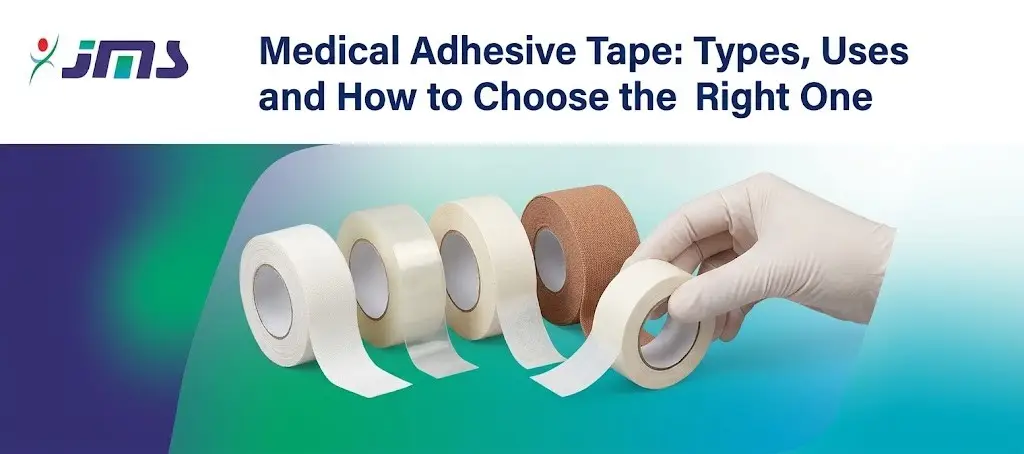
Medical Adhesive Tape: Types, Uses and How to Choose the Right One

Medical adhesive tape is a commonly used healthcare product found in hospitals, clinics, pharmacies, and home-care settings. It helps secure dressings, bandages, tubes, and other medical materials in place. Although medical adhesive tape may look simple, different types are designed for different purposes. Some tapes are suitable for securing dressings, while others are designed for delicate skin or longer wear. Therefore, choosing the right medical adhesive tape can help improve comfort, support proper wound care, and keep medical materials securely positioned. What Is Medical Adhesive Tape? Medical adhesive tape is a healthcare product designed to attach or secure medical materials to the skin or other suitable surfaces. It may be used with: • Gauze and wound dressings• Bandages• Medical tubing• Catheters and lines• Surgical dressings• Small medical devices Medical tapes are available in different materials, widths, adhesive strengths, and designs. As a result, healthcare professionals can select a suitable tape based on the patient’s needs and the intended application. Why Is Medical Adhesive Tape Important? Keeping a dressing or medical device securely in place is an important part of patient care. If a dressing moves or becomes loose, the affected area may not remain adequately covered. Suitable medical adhesive tape can help: • Secure wound dressings• Hold gauze in position• Support medical tubing• Reduce unnecessary movement of dressings• Maintain the position of certain medical devices• Support organized patient care Moreover, choosing an appropriate tape can help improve patient comfort, particularly when it needs to remain on the skin for a longer period. Common Types of Medical Adhesive Tape Medical adhesive tapes are available in several varieties. Each type has different characteristics and applications. Common types include: • Paper medical tape• Microporous tape• Transparent medical tape• Cloth medical tape• Waterproof medical tape• Hypoallergenic medical tape• Surgical adhesive tape However, the exact features and recommended uses can vary between products. Therefore, healthcare professionals should check the manufacturer’s instructions before selecting or using a particular tape. Paper Medical Tape Paper medical tape is lightweight and commonly used for general healthcare applications. It can be suitable for securing: • Gauze• Light dressings• Bandages• Tubing in selected situations Paper tape is often easy to tear and remove. In addition, some paper tapes are designed to allow a degree of air and moisture vapour exchange. Therefore, it can be a practical option when strong fixation is not required. Microporous Medical Tape Microporous medical tape is designed with a breathable structure that can allow air and moisture vapour to pass through the tape. It may be used to secure: • Dressings• Gauze• Tubing• Catheters• Other lightweight medical materials Because breathability can be useful for certain applications, microporous tape is often considered when prolonged skin contact is expected. Nevertheless, the tape should always be selected according to the patient’s skin condition and the intended medical application. Cloth Medical Tape Cloth medical tape is generally more durable and may provide stronger fixation than some lightweight tapes. It can be used for applications where a secure hold is required, such as: • Securing dressings• Supporting medical tubing• Holding certain medical devices in place However, stronger adhesion is not always better. For sensitive or fragile skin, a gentler tape may be more appropriate. Transparent Medical Tape Transparent medical tape allows the area underneath the tape to remain partially visible. This can be useful when healthcare professionals need to observe the condition of the surrounding area without immediately removing the tape. Depending on the product, transparent tapes may be used for: • Securing dressings• Fixing medical devices• Supporting catheter-related applications• Protecting selected areas The specific application should always follow the product’s intended use. Waterproof Medical Tape Water-resistant or waterproof medical tapes are designed to provide better resistance to moisture than standard tapes. They may be useful in situations where exposure to water or moisture is expected. However, waterproof does not mean that every medical tape can be submerged or used for every type of wound. Therefore, users should check the product specifications before use. Hypoallergenic Medical Tape Some people may have sensitive skin or may develop irritation from certain adhesives. Hypoallergenic medical tapes are designed to reduce the likelihood of skin irritation for suitable users. However, no adhesive can guarantee that a person will never experience a skin reaction. Therefore, healthcare professionals should consider the patient’s skin condition and previous sensitivity when selecting a medical tape. Surgical Adhesive Tape Surgical adhesive tapes are designed for specific healthcare and wound-care applications. They may be used to secure dressings or support certain wound-care procedures, depending on the product. Some surgical tapes are designed to provide strong yet flexible fixation. Others may focus more on breathability or gentle removal. As a result, the correct product should be selected according to the procedure, location, skin condition, and manufacturer’s recommendations. Uses of Medical Adhesive Tape Medical adhesive tape has many applications across healthcare settings. Common uses include: • Securing wound dressings• Holding gauze in place• Fixing bandages• Securing medical tubing• Supporting certain catheters and lines• Holding selected medical devices• Supporting routine wound-care procedures Furthermore, healthcare professionals may use different tapes depending on the patient’s condition and the specific procedure being performed. How to Choose the Right Medical Adhesive Tape Choosing medical tape should involve more than simply selecting the strongest adhesive. Several factors should be considered. Consider the Intended Use First, determine what the tape needs to secure. For example, lightweight paper tape may be suitable for certain dressings, while a stronger tape may be required for some medical devices. Therefore, always match the tape to its intended application. Consider the Patient’s Skin Skin condition is another important factor. Patients with sensitive, fragile, or easily irritated skin may require a gentler adhesive product. In contrast, a stronger adhesive may be appropriate for some applications where secure fixation is essential. Thus, patient comfort and skin condition should be considered alongside holding strength. Consider Adhesive Strength Medical tapes come with different levels of adhesion. A tape with insufficient adhesion may come loose too easily. On the other hand,

Medical Adhesive Tape: Types, Uses and How to Choose the Right One Read More Âť

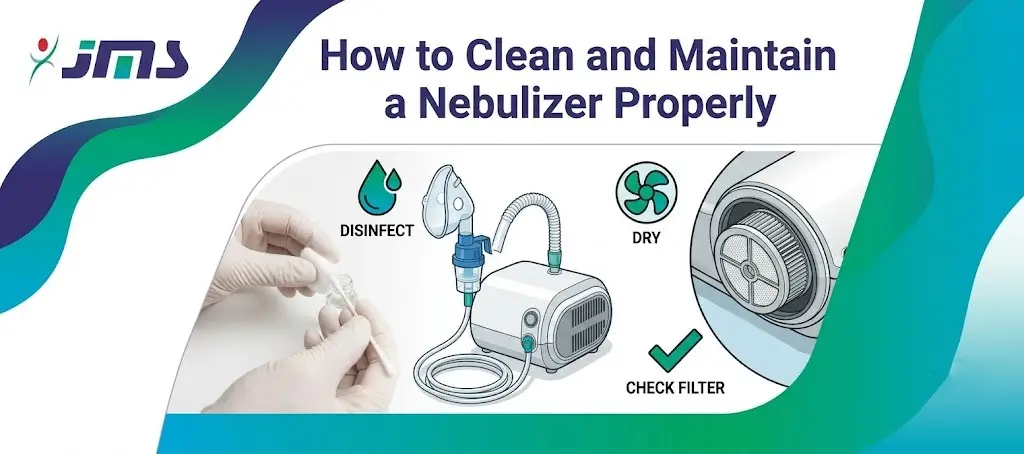
How to Clean and Maintain a Nebulizer Properly

Nebulizers are commonly used to deliver prescribed medicines directly into the lungs. They can be useful for people who need inhaled medication but may have difficulty using certain inhalers correctly. However, a nebulizer needs proper cleaning and maintenance after use. Medicine residue, moisture, and microorganisms can build up inside the equipment if it is not cleaned properly. Therefore, regular cleaning is important for maintaining the hygiene and performance of the device. Whether used at home, in a clinic, or in a hospital, knowing how to clean and maintain a nebulizer properly can help support safer respiratory care. What Is a Nebulizer? A nebulizer is a medical device that changes liquid medicine into a fine mist. The patient then breathes this mist through a mouthpiece or mask so that the medicine can reach the lungs. A typical nebulizer setup may include: • Compressor• Medicine cup• Tubing• Mouthpiece or mask• Air filter, depending on the device Because several parts are involved, each component should be handled and maintained according to the manufacturer’s instructions. Why Is Nebulizer Cleaning Important? A nebulizer comes into contact with medication, moisture, and the patient’s breathing passages. As a result, its components can become contaminated when they are not cleaned properly. Regular cleaning can help: • Reduce the buildup of medicine residue• Maintain better equipment hygiene• Reduce contamination risks• Keep the nebulizer ready for the next use• Support proper delivery of prescribed medication• Extend the useful life of suitable components Therefore, cleaning should be considered an important part of routine nebulizer care. When Should You Clean a Nebulizer? The nebulizer should generally be cleaned after each use, unless the manufacturer provides different instructions. After completing a treatment, leftover medicine should not simply be left inside the medicine cup. Instead, the reusable components should be cleaned as directed. In addition, some nebulizer parts may require regular disinfection or replacement. The exact schedule can vary depending on the device and manufacturer. How to Clean a Nebulizer After Each Use Cleaning a nebulizer does not have to be complicated. However, the steps should be followed carefully. A basic cleaning routine may include: • Turn off the nebulizer and disconnect it from the power supply.• Separate the removable components according to the manufacturer’s instructions.• Empty any remaining medication from the medicine cup.• Clean the reusable parts as instructed by the manufacturer.• Rinse applicable components with clean water when recommended.• Allow the components to air-dry completely in a clean area.• Reassemble the device only after the parts are completely dry. Importantly, do not wash the compressor, electrical components, or tubing unless the manufacturer specifically states that they are washable. How to Disinfect Nebulizer Components Regular cleaning and disinfection are not always the same thing. Cleaning removes visible residue and dirt, while disinfection is intended to reduce microorganisms on suitable equipment surfaces. Some nebulizer components may require periodic disinfection based on the manufacturer’s instructions. Depending on the device, the manufacturer may recommend a particular disinfecting method. Therefore, users should always follow the instructions supplied with their nebulizer rather than using household cleaning products without checking first. How to Clean the Nebulizer Mask or Mouthpiece The mask or mouthpiece comes into direct contact with the user’s face or mouth. Therefore, these components require careful cleaning. After use: • Separate the mask or mouthpiece from the nebulizer.• Clean it according to the manufacturer’s instructions.• Rinse it if the instructions recommend rinsing.• Place it in a clean area to air-dry completely.• Store it in a clean, dry location after drying. Furthermore, these components should not be shared between people unless they are specifically designed and approved for such use with appropriate cleaning and disinfection procedures. What About the Nebulizer Tubing? Nebulizer tubing connects the compressor to the medicine cup and plays an important role in the system. However, tubing should not automatically be washed or submerged in water. Moisture inside the tubing can interfere with proper operation and may encourage contamination. Therefore, follow the manufacturer’s instructions regarding tubing care. If the tubing becomes visibly contaminated, damaged, or difficult to use, it may need to be replaced. How to Keep the Nebulizer Dry Moisture is one of the important factors to consider when maintaining a nebulizer. After cleaning, reusable components should be allowed to dry completely before storage. To maintain better hygiene: • Place cleaned parts on a clean, dry surface.• Allow them to air-dry completely.• Avoid storing wet components inside a closed container.• Keep the equipment away from dust and moisture.• Store the device according to the manufacturer’s recommendations. As a result, proper drying can help maintain cleaner equipment between treatments.   How to Maintain the Nebulizer Compressor The compressor is the main electrical unit of many nebulizers. Unlike removable components, it should not be washed or submerged in water. Instead, users should: • Keep the compressor on a clean and dry surface.• Wipe the exterior according to the manufacturer’s instructions.• Keep the air vents free from dust and obstruction.• Check the power cord and plug for visible damage.• Follow the recommended maintenance instructions. If the compressor develops unusual sounds, overheating, or other problems, it should be inspected according to the manufacturer’s guidance. When Should Nebulizer Parts Be Replaced? Nebulizer components do not necessarily last forever. Some parts may need regular replacement depending on the device, frequency of use, and manufacturer’s recommendations. Replacement may be necessary if a component is: • Cracked or damaged• Discoloured or visibly contaminated• Difficult to clean• Showing signs of wear• Not functioning properly• Past the manufacturer’s recommended replacement period Therefore, users should check the product manual and replace components when required. Common Nebulizer Cleaning Mistakes to Avoid Even when users clean their nebulizers regularly, certain mistakes can affect equipment hygiene. Avoid: • Leaving medication inside the medicine cup• Storing components while they are still wet• Using unsuitable household cleaning chemicals• Washing electrical components• Ignoring damaged or cracked parts• Using expired or contaminated supplies• Sharing equipment without appropriate cleaning and disinfection Additionally, users should avoid modifying the nebulizer or its components without

How to Clean and Maintain a Nebulizer Properly Read More Âť

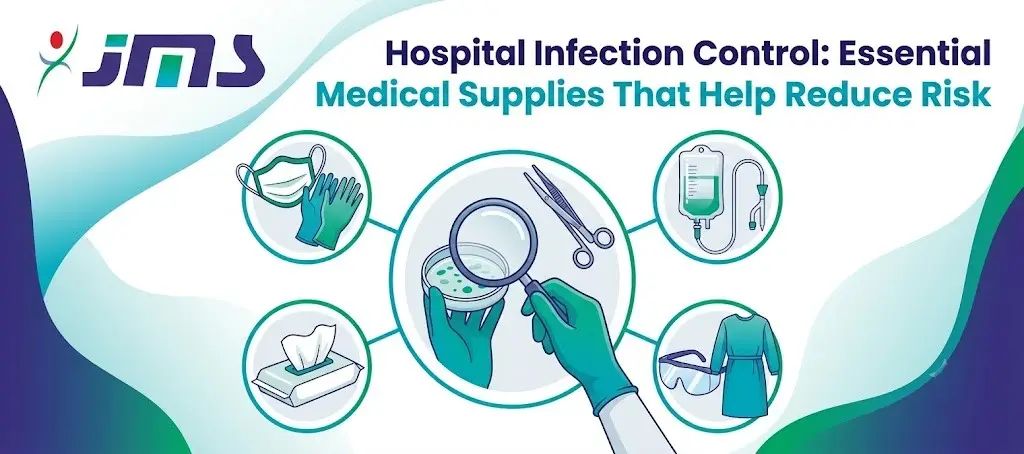
Why Better Medical Supplies Matter for Safer Hospital Infection Control

Hospital Infection Control plays an essential role in reducing infection risks and maintaining safer healthcare environments. Effective Medical Infection Control depends on proper hygiene practices and reliable Infection Prevention Supplies. Using quality Hospital Safety Supplies also strengthens Healthcare Infection Prevention, helping protect patients, healthcare professionals, and visitors from potential exposure to harmful microorganisms. Hospitals and healthcare facilities treat many patients every day. As a result, maintaining a clean and safe healthcare environment is essential for protecting patients, doctors, nurses, and other healthcare workers. Hospital infection control focuses on reducing the spread of harmful microorganisms within healthcare settings. While proper hygiene and safety procedures are important, medical supplies also play a major role in supporting infection prevention. Therefore, using suitable medical consumables, disposable products, and protective supplies can help healthcare facilities maintain better hygiene and reduce infection risks. What Is Hospital Infection Control? Hospital infection control refers to the practices used to prevent and reduce the spread of infections in healthcare facilities. These practices are important because microorganisms can spread through contaminated hands, medical equipment, surfaces, wounds, and healthcare waste. Hospital infection control commonly includes: • Proper hand hygiene• Safe use of medical supplies• Cleaning and disinfection• Correct waste disposal• Use of protective products• Safe wound care practices Moreover, healthcare staff must follow infection prevention procedures consistently to maintain patient safety. Why Infection Control Is Important in Hospitals Patients in hospitals may have weakened immune systems, open wounds, or other health conditions. Therefore, they may be more vulnerable to infections. Effective infection control helps: • Protect patients from avoidable infections• Reduce contamination risks• Support safer medical procedures• Protect healthcare professionals• Maintain hospital hygiene• Improve overall patient care As a result, infection prevention remains an important responsibility for every healthcare facility. Role of Medical Supplies in Infection Prevention Medical supplies are used during almost every stage of patient care. From wound dressing to surgical procedures, suitable healthcare products help professionals maintain safer working conditions. Essential medical supplies can help: • Create protective barriers• Reduce direct contact with contaminated materials• Support safe wound care• Maintain cleaner treatment areas• Improve healthcare hygiene practices Therefore, choosing suitable and reliable medical products is an important part of hospital infection control. Medical Gloves for Safer Patient Care Medical gloves are commonly used to reduce direct contact with blood, body fluids, and contaminated materials. Different healthcare activities may require different types of gloves. Common options include: • Surgical gloves• Examination gloves• Sterile gloves• Non-sterile gloves• Nitrile gloves Additionally, gloves should be changed between appropriate patient care activities and disposed of correctly after use. Gauze and Wound Dressing Products Wound care products are essential for managing injuries, surgical wounds, and other skin damage. Gauze swabs, absorbent cotton, and suitable wound dressings help healthcare professionals clean, cover, and protect wound areas. These products can support: • Clean wound care procedures• Absorption of wound fluids• Protection of the wound area• Reduced unnecessary contamination• Better wound management Consequently, quality wound care supplies are important for both patient safety and infection prevention. Disposable Medical Products Disposable medical products are designed for limited or single-use applications, depending on the product and manufacturer instructions. Common disposable healthcare supplies may include: • Medical gloves• Certain wound care products• Disposable protective items• Medical consumables• Procedure-related supplies Moreover, correct use and disposal of suitable single-use products can help reduce cross-contamination risks. Sterile Medical Supplies Sterile medical supplies are especially important during procedures where contamination risks must be carefully controlled. These products may include sterile gauze, wound dressings, surgical gloves, and other procedure-related supplies. Using suitable sterile medical products helps: • Support safer medical procedures• Reduce exposure to microorganisms• Maintain clinical hygiene• Protect sensitive wound areas• Improve infection prevention practices Therefore, healthcare facilities should store and handle sterile products carefully. Medical Cotton and Absorbent Products Medical cotton products are widely used in hospitals, clinics, and treatment centres. Absorbent cotton may be used for cleaning, applying solutions, or supporting different patient care procedures. Quality absorbent products should be: • Clean and suitable for medical use• Highly absorbent• Easy to handle• Properly stored• Used according to their intended purpose Furthermore, healthcare professionals should avoid using damaged or contaminated medical products. Importance of Protective Medical Supplies Protective healthcare supplies help create a barrier between healthcare workers and potential sources of contamination. Depending on the healthcare activity, suitable protective products may help reduce exposure to infectious materials. Proper use of protective supplies supports: • Healthcare worker safety• Patient protection• Better hygiene practices• Reduced contamination risks• Safer clinical environments However, protective products must be used correctly to provide effective support. Safe Storage of Medical Supplies Medical products should be stored properly to protect their quality and packaging. Poor storage conditions may expose healthcare supplies to moisture, dust, damage, or contamination. Healthcare facilities should: • Maintain clean storage areas• Protect products from moisture• Check packaging regularly• Monitor expiry dates• Organize supplies properly• Follow manufacturer storage instructions As a result, proper storage helps healthcare facilities maintain reliable medical supplies. Correct Disposal of Used Medical Products Used medical products may contain contaminated materials. Therefore, they should be disposed of according to applicable biomedical waste management procedures. Healthcare staff should avoid mixing contaminated medical waste with general waste. Proper disposal can help: • Reduce exposure to contaminated materials• Protect waste handlers• Support hospital hygiene• Prevent unsafe reuse• Improve medical waste management Additionally, healthcare facilities should provide staff with suitable waste segregation training. Choosing Quality Medical Supplies for Hospitals Reliable medical supplies support safe and efficient healthcare services. Hospitals and clinics should consider several factors when selecting medical products. These include: • Product quality• Intended medical use• Suitable packaging• Reliable manufacturing• Consistent product availability Therefore, choosing medical products from reliable manufacturers and suppliers can support better hospital operations. Trusted Medical and Healthcare Products by JMS Medicon Looking for reliable medical, surgical, and healthcare products? 📍 JMS Medicon Private LimitedPlot No-85, Padmalava Nagar, Trisulia,Cuttack, Odisha – 754005 📞 Phone: +91 9437040988📧 Email: jmsmedicon@gmail.com🌐 Website: jmsmedicon.com JMS Medicon supports hospitals, clinics, and healthcare facilities with quality medical and surgical products

Why Better Medical Supplies Matter for Safer Hospital Infection Control Read More Âť

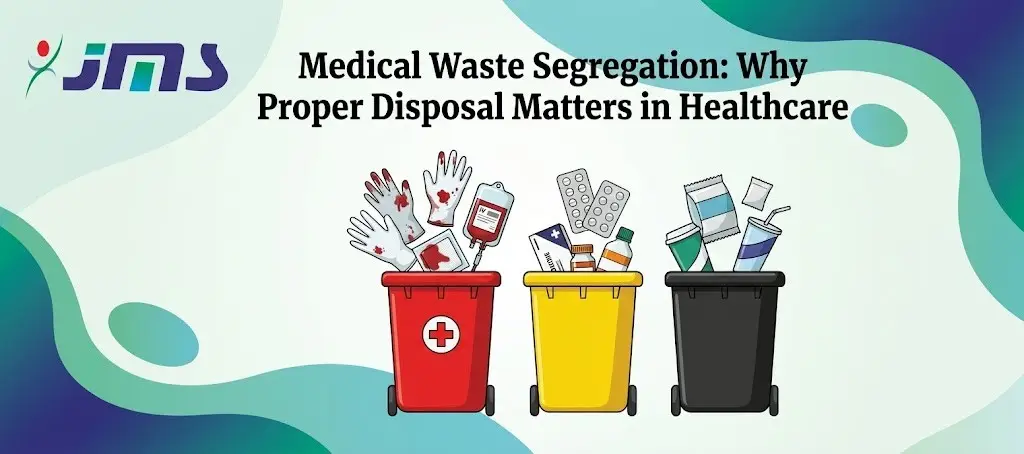
The Powerful Truth About Medical Waste Safety You Need to Know

Medical Waste Segregation plays an important role in maintaining safety and hygiene in healthcare facilities. Proper Medical Waste Disposal and effective Healthcare Waste Management help reduce contamination risks and protect healthcare workers, patients, and the environment. Following correct Biomedical Waste Segregation practices and ensuring Safe Medical Waste Disposal can support a cleaner and safer healthcare system. Medical waste is generated every day in hospitals, clinics, laboratories, and other healthcare facilities. It may include used dressings, contaminated materials, syringes, medical plastics, and other healthcare waste. However, medical waste cannot always be handled like regular household waste. Improper disposal may increase the risk of infection, injuries, and environmental pollution. Therefore, medical waste segregation is an important part of healthcare safety. By separating waste correctly at the point of generation, healthcare facilities can support safer handling, treatment, and disposal. What Is Medical Waste Segregation? Medical waste segregation is the process of separating different types of healthcare waste into suitable containers or bags. The waste is separated based on its type and disposal requirements. For example, healthcare waste may include: • Infectious waste• Contaminated medical materials• Sharps and needles• Medical plastic waste• Glassware• General non-medical waste Moreover, proper segregation helps prevent different waste categories from being mixed together. Why Proper Medical Waste Disposal Is Important Healthcare waste may contain harmful microorganisms, contaminated materials, or sharp objects. If it is handled incorrectly, it may create safety risks for patients, healthcare workers, waste handlers, and the public. Proper disposal helps: • Reduce the risk of infection• Prevent injuries from medical sharps• Improve healthcare hygiene• Support safe waste treatment• Reduce environmental contamination Therefore, responsible medical waste management is essential for safer healthcare facilities. Common Types of Medical Waste Different healthcare activities generate different types of waste. Common examples include: • Used gauze and dressings• Contaminated cotton materials• Syringes and needles• Gloves and medical plastics• Medicine-related waste• Glass bottles and vials• Laboratory waste Additionally, general waste such as paper and food waste should be kept separate from biomedical waste. Importance of Segregating Waste at the Source Medical waste should be separated where it is generated. This may include patient rooms, operation theatres, laboratories, treatment areas, and other clinical spaces. Segregating waste at the source helps: • Prevent unnecessary mixing of waste• Improve waste collection• Support safer transportation• Reduce handling risks• Make treatment and disposal more efficient As a result, healthcare workers play an important role in proper waste segregation. Colour-Coded Waste Segregation in Healthcare Colour-coded containers and bags help healthcare workers identify different biomedical waste categories. Under India’s biomedical waste management framework, waste is segregated into specified colour-coded categories, including yellow, red, white, and blue. Each category is intended for specific types of biomedical waste. Therefore, healthcare facilities should follow applicable waste management guidelines and ensure that staff understand the correct segregation process. Risks of Improper Medical Waste Disposal Improper waste disposal may create several health and environmental risks. These may include: • Spread of infections• Needle-stick injuries• Exposure to contaminated materials• Unsafe reuse of medical waste• Soil and water contamination• Increased risk for waste handlers Consequently, poor waste management can affect both healthcare safety and the surrounding environment. Role of Healthcare Workers in Waste Management Healthcare workers are directly involved in the generation and handling of medical waste. Therefore, proper training and awareness are important. Healthcare staff should: • Identify different waste categories• Use the correct waste containers• Avoid mixing biomedical and general waste• Handle sharps carefully• Follow facility waste management procedures Furthermore, regular training can help improve waste segregation practices across healthcare facilities. Safe Handling of Sharps and Needles Needles, blades, and other sharp medical items require careful handling. These items may cause injuries and increase the risk of exposure to contaminated blood or body fluids. For safer handling: • Use designated puncture-resistant containers• Dispose of sharps immediately after use• Avoid placing sharps in general waste bins• Follow established healthcare safety procedures Thus, proper sharps disposal helps protect healthcare workers and waste handlers. How Proper Segregation Supports Infection Control Infection control is a major priority in hospitals and clinics. Medical waste segregation supports infection prevention by reducing unnecessary contact with contaminated materials. It can help: • Maintain cleaner healthcare environments• Reduce exposure to infectious waste• Improve safe waste handling• Support hospital hygiene practices• Protect healthcare staff and patients Therefore, effective waste segregation is closely connected with better healthcare safety. Environmental Benefits of Proper Medical Waste Disposal Medical waste management is not only important for healthcare facilities. It also affects the environment. Incorrect disposal may contribute to soil, water, and environmental contamination. On the other hand, proper waste segregation can support: • Safer waste treatment• Better recycling of suitable materials• Reduced environmental contamination• Responsible healthcare waste management• Improved sustainability practices As a result, healthcare facilities can contribute to both patient safety and environmental protection. Common Medical Waste Segregation Mistakes Even simple mistakes can affect the waste management process. Common errors include: • Mixing general and biomedical waste• Using incorrect waste containers• Overfilling waste bags or containers• Disposing of sharps incorrectly• Poor labelling of waste containers• Lack of staff training However, regular monitoring and proper training can help reduce these mistakes. Importance of Quality Medical Consumables Quality medical consumables support safer healthcare practices. Reliable products such as medical cotton, gauze, dressings, and other healthcare supplies help professionals maintain proper hygiene and patient care standards. Moreover, using dependable medical products can support efficient healthcare operations and safer clinical practices. Trusted Medical and Healthcare Products by JMS Medicon Looking for reliable medical and healthcare products? 📍 JMS Medicon Private LimitedPlot No-85, Padmalava Nagar, Trisulia,Cuttack, Odisha – 754005 📞 Phone: +91 9437040988📧 Email: jmsmedicon@gmail.com🌐 Website: jmsmedicon.com Supporting Safer Healthcare Through Responsible Waste Management Medical waste segregation is an essential part of healthcare safety and hygiene. Proper separation, handling, and disposal of healthcare waste can help reduce infection risks, prevent injuries, and protect the environment. By following proper waste management practices and using reliable medical supplies, healthcare facilities can create safer environments for patients, healthcare professionals, and waste handlers.

The Powerful Truth About Medical Waste Safety You Need to Know Read More Âť