
Hospital Supplies

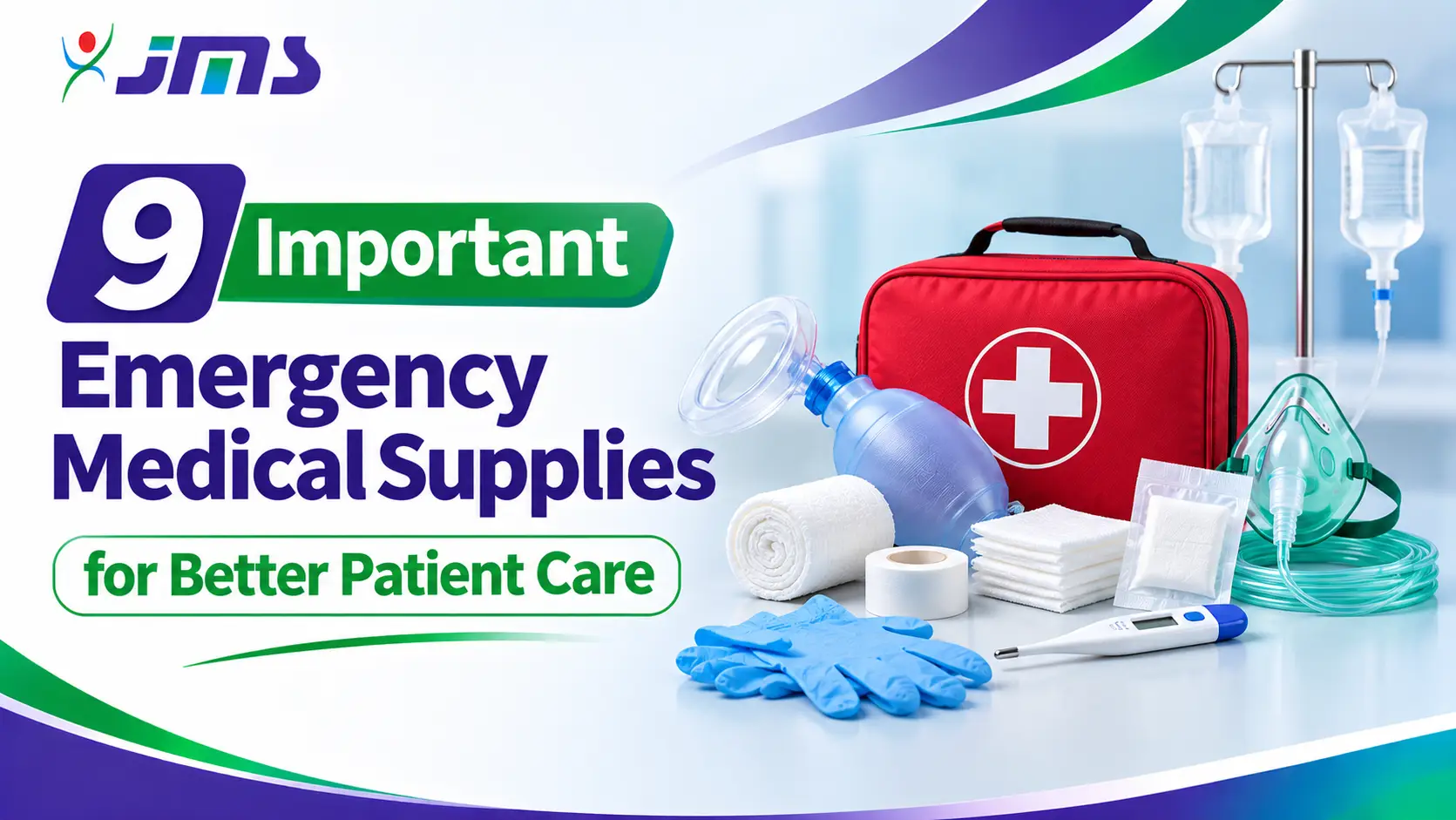
9 Important Emergency Medical Supplies for Better Patient Care

Medical emergencies can occur unexpectedly in hospitals, clinics, diagnostic centres, and other healthcare facilities. Having the right hospital emergency supplies readily available helps healthcare professionals respond efficiently and provide timely patient care. From basic first aid materials to essential protective equipment, maintaining an organized inventory of emergency medical supplies is an important part of healthcare preparedness. However, emergency supply requirements can vary depending on the size of the facility, the services offered, patient volume, and the types of emergencies it may encounter. In this blog, we explore nine essential medical products that healthcare facilities should consider including in their emergency supply inventory. 1. First Aid Dressings and Bandages First aid dressings and bandages are important supplies for managing minor wounds, cuts, and injuries. Healthcare facilities should maintain suitable varieties of: Sterile gauze dressings. Absorbent wound pads. Roller bandages. Conforming bandages. Adhesive bandages. These products help cover wounds, absorb fluids, and secure dressings during initial care. 2. Disposable Medical Gloves Disposable medical gloves are essential protective supplies used during patient examinations, wound management, and other healthcare activities. Common options include: Nitrile gloves. Latex gloves. Vinyl gloves. Sterile surgical gloves. Facilities should select gloves according to the procedure, exposure risk, and applicable product requirements. 3. Medical Face Masks Medical face masks are commonly used as part of infection prevention practices in healthcare environments. Different varieties are available depending on the intended application. Healthcare facilities should consider: Appropriate mask classification. Filtration performance. Comfortable fit. Breathability. Relevant product standards. Masks should be selected according to the healthcare activity and infection prevention guidelines. 4. Antiseptic and Wound Cleaning Supplies Suitable wound cleaning and antiseptic supplies support wound management and hygiene practices. Common supplies may include: Approved antiseptic solutions. Sterile saline. Appropriate wound cleansing products. Sterile cotton products. Single-use applicators. Healthcare professionals should select products based on the wound type, clinical requirements, and manufacturer instructions. 5. Medical Adhesive Tapes Medical adhesive tapes help secure wound dressings, gauze pads, and compatible medical devices. Common types include: Paper medical tape. Micropore tape. Transparent adhesive tape. Non-woven medical tape. Silicone medical tape. The selection should depend on skin sensitivity, required adhesion, and the intended medical application. 6. Disposable Syringes and Needles Disposable syringes and needles are important medical supplies used for administering medications, vaccinations, and other clinically indicated procedures. Healthcare facilities should maintain suitable products according to their service requirements. Important considerations include: Appropriate syringe capacity. Correct needle specifications. Sterile, individually packaged products. Single-use labelling. Proper sharps disposal arrangements. Used needles and syringes must be discarded safely according to applicable biomedical waste management requirements. 7. Medical Cotton and Absorbent Products Medical cotton and absorbent materials are commonly used in wound care, cleaning, and selected clinical procedures. Useful supplies include: Absorbent cotton. Sterile cotton products. Cotton rolls. Gauze swabs. Absorbent dressing materials. Healthcare facilities should maintain products suitable for their intended clinical applications and storage requirements. 8. Disposable Protective Equipment Personal protective equipment helps healthcare professionals reduce exposure to potential workplace hazards. Depending on the facility’s activities, emergency inventories may include: Protective gowns. Disposable aprons. Face shields. Protective eyewear. Appropriate respiratory protection. The required protection should be determined by the nature of the task and relevant infection prevention guidelines. 9. Emergency Medical Monitoring and Support Equipment Certain emergency situations require appropriate medical monitoring and patient support equipment. Depending on the services provided, facilities may need access to: Blood pressure monitors. Pulse oximeters. Thermometers. Oxygen delivery equipment. Automated external defibrillators (AEDs), where appropriate. Resuscitation equipment. These products should be selected according to facility requirements, maintained properly, and checked regularly for functionality. How to Manage Hospital Emergency Supplies Effectively Maintaining emergency medical supplies requires more than purchasing products. Proper inventory management helps ensure that essential items are available when needed. 1. Conduct Regular Inventory Checks Review emergency supply stock regularly to identify shortages and maintain appropriate quantities. 2. Monitor Expiry Dates Check expiry dates and follow a stock rotation system to reduce the risk of expired products remaining in emergency inventory. 3. Maintain Proper Storage Conditions Store medical supplies according to manufacturer instructions, protecting them from excessive moisture, heat, dust, and contamination. 4. Organize Supplies for Quick Access Keep frequently required products in clearly labelled and accessible storage locations. 5. Work With Reliable Suppliers Choose suppliers who can provide consistent product availability, suitable documentation, and reliable procurement support. Why Emergency Supply Preparedness Matters Organized hospital emergency supplies support several important healthcare requirements: Timely Access: Helps healthcare professionals locate essential products when required. Patient Safety: Supports appropriate clinical care and infection prevention practices. Workplace Protection: Provides access to suitable protective products. Inventory Control: Helps reduce shortages and expired stock. Operational Readiness: Supports better preparation for unexpected healthcare situations. Emergency supplies should complement trained personnel, established clinical protocols, and properly maintained emergency equipment. Conclusion Hospital emergency supplies play an important role in healthcare preparedness. From first aid dressings and disposable gloves to medical masks, syringes, protective equipment, and monitoring devices, each product supports specific healthcare requirements. Hospitals, clinics, and diagnostic facilities should regularly review their emergency inventories based on patient needs, available services, and applicable healthcare guidelines. A well-organized supply system, supported by reliable procurement practices, can help healthcare facilities maintain operational readiness and support quality patient care. About JMS Medicon Private Limited JMS Medicon Private Limited is committed to supporting healthcare facilities with medical and surgical products for their procurement requirements. We aim to help hospitals, clinics, and healthcare organizations access suitable medical supplies. For product-related enquiries and business information, contact our team. Contact Details Email: jmsmedicon@gmail.com Phone: +91 9437040988 Office Address:Plot No-85, Padmalava Nagar, Trisulia, Cuttack, Odisha – 754005 Registered Address:H-1370 DSIDC Industrial Complex, Narela, Delhi – 110040 Website: https://jmsmedicon.com/

9 Important Emergency Medical Supplies for Better Patient Care Read More »
9 Essential Factors for Medical Procurement

9 Essential Factors for Better Medical Consumables Procurement

Medical consumables are essential for the daily functioning of hospitals, clinics, diagnostic centres, and other healthcare facilities. From surgical gloves and gauze swabs to cotton rolls, wound dressings, syringes, and disposable medical supplies, these products support routine patient care, infection prevention, and clinical procedures. However, purchasing medical consumables involves more than comparing prices. Healthcare facilities must consider product quality, safety requirements, supplier reliability, storage conditions, delivery schedules, and overall procurement costs. A well-planned medical consumables procurement process helps hospitals maintain adequate stock, reduce unnecessary expenditure, and support consistent healthcare operations. In this guide, we explore nine important factors every hospital should consider when procuring medical consumables. What Is Medical Consumables Procurement? Medical consumables procurement is the process of identifying, evaluating, purchasing, receiving, and managing disposable or frequently replenished medical products used in healthcare facilities. These products may include: Surgical gloves, masks, and disposable protective equipment Gauze swabs, absorbent cotton, and wound dressings Syringes, needles, and other procedure-related consumables Disposable examination and patient-care supplies Sterile medical products and surgical consumables An effective procurement strategy ensures that the right products are available in the right quantities, at the right time, and from suitable suppliers. 1. Evaluate Product Quality and Safety Product quality should be a primary consideration when purchasing medical consumables. Inconsistent quality can disrupt clinical workflows and create avoidable risks for healthcare providers and patients. Before placing an order, review the product specifications, intended use, material composition, packaging integrity, and relevant quality documentation. For products requiring sterility, verify the sterile status, packaging condition, and applicable expiry or use-by information. Hospitals should also confirm that products meet the regulatory and technical requirements applicable to their category and intended use. Key considerations: Consistent product specifications Appropriate quality documentation Intact packaging and clear labelling Applicable regulatory compliance Suitable sterility and expiry information, where relevant 2. Choose a Reliable Medical Consumables Supplier Supplier reliability directly affects the availability of essential medical products. Delayed deliveries or inconsistent product quality can interfere with hospital operations and increase procurement pressure. Hospitals should evaluate suppliers based on their product range, supply capacity, order fulfilment history, communication, documentation, and ability to handle recurring requirements. It is also useful to establish clear expectations for order confirmation, delivery timelines, product substitutions, and the handling of damaged or non-conforming goods. Key considerations: Consistent supply availability Clear communication and order tracking Transparent commercial terms Appropriate business and product documentation A defined process for resolving supply issues 3. Compare Total Procurement Costs, Not Just Prices The lowest quoted price does not always represent the best value. Differences in product specifications, packaging quantities, shipping charges, minimum order requirements, and defect rates can affect the total cost of purchasing. Hospitals should compare equivalent products using consistent specifications and calculate the overall cost of acquisition. Bulk purchasing may reduce the unit price, but only when the products can be used within their shelf life and stored under suitable conditions. Key considerations: Unit price and pack size Shipping and handling charges Minimum order quantities Expected product wastage Storage costs and expiry-related losses 4. Assess Product Specifications and Intended Use Medical consumables are designed for different clinical applications. Products that appear similar may differ in material, dimensions, absorbency, strength, sterility, or intended use. For example, gauze products may differ in ply, size, construction, packaging, and sterile status. Protective gloves may vary by material, size, and intended application. Procurement teams should prepare clear specifications before requesting quotations. This helps prevent unsuitable substitutions and makes supplier comparisons more accurate. Key considerations: Material and dimensions Sterile or non-sterile status Product performance requirements Intended clinical application Compatibility with established hospital protocols 5. Check Certifications and Regulatory Documentation Medical products may be subject to different regulatory requirements depending on their classification, intended use, and applicable jurisdiction. Hospitals should verify the documentation relevant to the specific product rather than relying on broad or unsupported certification claims. Where applicable, request product licences, conformity documents, quality certificates, test reports, declarations, and other records required for procurement and institutional audits. Documentation should be current, relevant to the product being purchased, and consistent with the supplier and product details. Key considerations: Applicable licences and registrations Relevant quality certificates Product-specific technical documents Batch or lot information, where applicable Traceable purchase and delivery records 6. Plan Inventory and Reordering Carefully Poor inventory management can result in shortages of essential products or excessive stock that ties up working capital. Both situations can affect hospital efficiency. Hospitals should review historical consumption, current stock, supplier lead times, seasonal demand, and expected changes in patient volume. Reorder levels can then be established for frequently used products. A first-expiry-first-out approach should be used for applicable products with expiry dates, alongside routine checks for damaged packaging and expired stock. Key considerations: Historical usage and consumption trends Minimum and maximum stock levels Reorder points and safety stock Expiry-date monitoring Regular inventory reconciliation 7. Verify Packaging, Labelling, and Storage Requirements Packaging protects medical consumables during transport and storage. Damaged packaging, unclear labels, or unsuitable storage conditions may compromise product integrity and usability. At the time of receipt, hospital staff should check the quantity delivered, product identity, batch or lot details where applicable, expiry information, and packaging condition. Products should be stored according to the manufacturer’s instructions, including any specified temperature, humidity, light protection, or handling requirements. Sterile products with compromised packaging should be assessed under the facility’s approved procedures and should not be treated as sterile merely because the product appears intact. Key considerations: Clear and legible product labels Intact packaging on receipt Appropriate storage conditions Correct batch and expiry information Safe handling and stock rotation 8. Ensure Consistent Supply and Delivery Timelines Hospitals need predictable deliveries to maintain continuity of patient care. A supplier’s ability to fulfil recurring orders can be as important as the initial product quotation. Procurement teams should review lead times, delivery coverage, order-processing procedures, and the supplier’s response to urgent requirements. For critical products, hospitals may consider approved backup suppliers in accordance with internal procurement policies. Delivery performance should be monitored over time so

9 Essential Factors for Better Medical Consumables Procurement Read More »