9 Important Emergency Medical Supplies for Better Patient Care
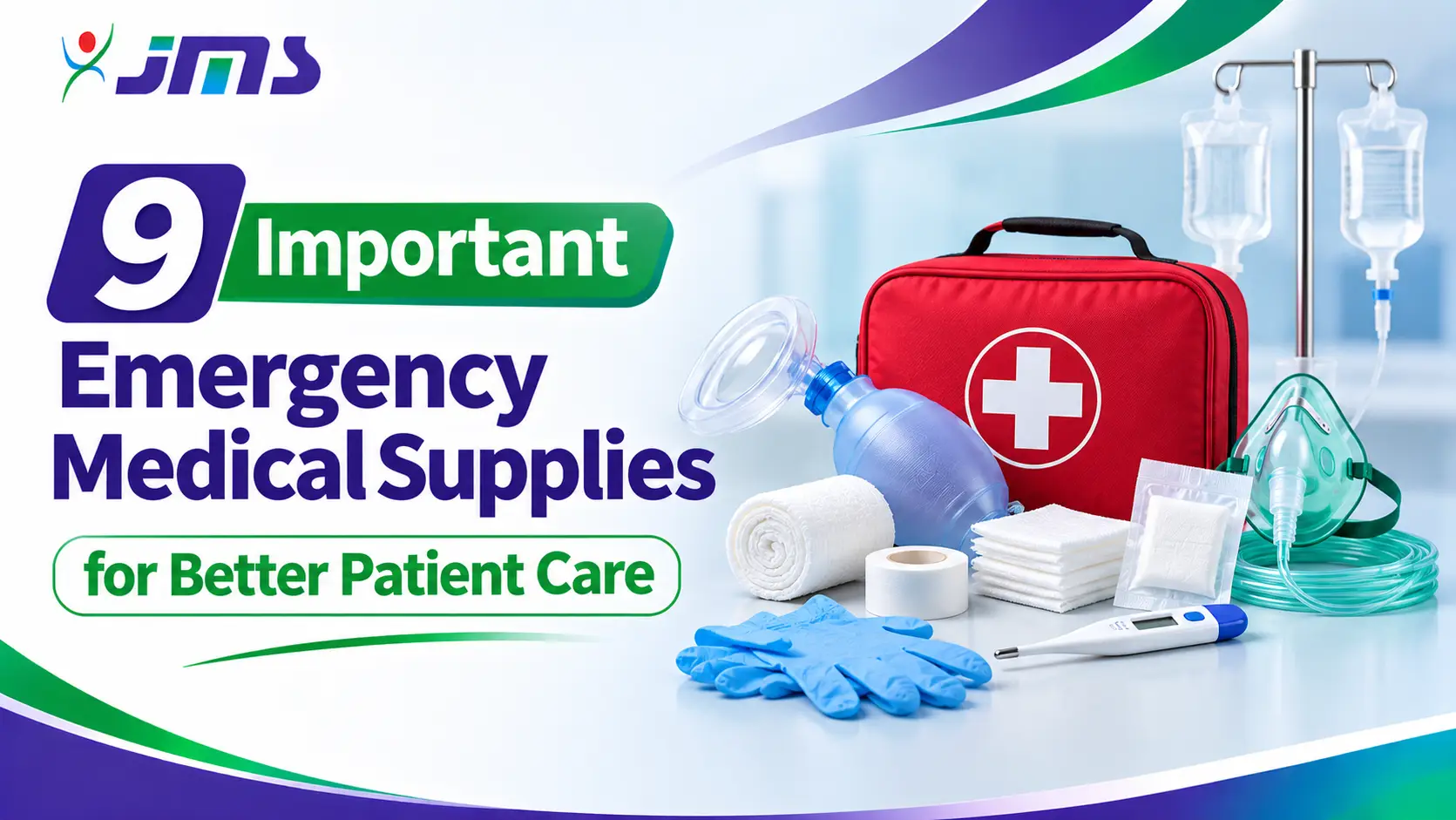
Medical emergencies can occur unexpectedly in hospitals, clinics, diagnostic centres, and other healthcare facilities. Having the right hospital emergency supplies readily available helps healthcare professionals respond efficiently and provide timely patient care. From basic first aid materials to essential protective equipment, maintaining an organized inventory of emergency medical supplies is an important part of healthcare preparedness. However, emergency supply requirements can vary depending on the size of the facility, the services offered, patient volume, and the types of emergencies it may encounter. In this blog, we explore nine essential medical products that healthcare facilities should consider including in their emergency supply inventory. 1. First Aid Dressings and Bandages First aid dressings and bandages are important supplies for managing minor wounds, cuts, and injuries. Healthcare facilities should maintain suitable varieties of: Sterile gauze dressings. Absorbent wound pads. Roller bandages. Conforming bandages. Adhesive bandages. These products help cover wounds, absorb fluids, and secure dressings during initial care. 2. Disposable Medical Gloves Disposable medical gloves are essential protective supplies used during patient examinations, wound management, and other healthcare activities. Common options include: Nitrile gloves. Latex gloves. Vinyl gloves. Sterile surgical gloves. Facilities should select gloves according to the procedure, exposure risk, and applicable product requirements. 3. Medical Face Masks Medical face masks are commonly used as part of infection prevention practices in healthcare environments. Different varieties are available depending on the intended application. Healthcare facilities should consider: Appropriate mask classification. Filtration performance. Comfortable fit. Breathability. Relevant product standards. Masks should be selected according to the healthcare activity and infection prevention guidelines. 4. Antiseptic and Wound Cleaning Supplies Suitable wound cleaning and antiseptic supplies support wound management and hygiene practices. Common supplies may include: Approved antiseptic solutions. Sterile saline. Appropriate wound cleansing products. Sterile cotton products. Single-use applicators. Healthcare professionals should select products based on the wound type, clinical requirements, and manufacturer instructions. 5. Medical Adhesive Tapes Medical adhesive tapes help secure wound dressings, gauze pads, and compatible medical devices. Common types include: Paper medical tape. Micropore tape. Transparent adhesive tape. Non-woven medical tape. Silicone medical tape. The selection should depend on skin sensitivity, required adhesion, and the intended medical application. 6. Disposable Syringes and Needles Disposable syringes and needles are important medical supplies used for administering medications, vaccinations, and other clinically indicated procedures. Healthcare facilities should maintain suitable products according to their service requirements. Important considerations include: Appropriate syringe capacity. Correct needle specifications. Sterile, individually packaged products. Single-use labelling. Proper sharps disposal arrangements. Used needles and syringes must be discarded safely according to applicable biomedical waste management requirements. 7. Medical Cotton and Absorbent Products Medical cotton and absorbent materials are commonly used in wound care, cleaning, and selected clinical procedures. Useful supplies include: Absorbent cotton. Sterile cotton products. Cotton rolls. Gauze swabs. Absorbent dressing materials. Healthcare facilities should maintain products suitable for their intended clinical applications and storage requirements. 8. Disposable Protective Equipment Personal protective equipment helps healthcare professionals reduce exposure to potential workplace hazards. Depending on the facility’s activities, emergency inventories may include: Protective gowns. Disposable aprons. Face shields. Protective eyewear. Appropriate respiratory protection. The required protection should be determined by the nature of the task and relevant infection prevention guidelines. 9. Emergency Medical Monitoring and Support Equipment Certain emergency situations require appropriate medical monitoring and patient support equipment. Depending on the services provided, facilities may need access to: Blood pressure monitors. Pulse oximeters. Thermometers. Oxygen delivery equipment. Automated external defibrillators (AEDs), where appropriate. Resuscitation equipment. These products should be selected according to facility requirements, maintained properly, and checked regularly for functionality. How to Manage Hospital Emergency Supplies Effectively Maintaining emergency medical supplies requires more than purchasing products. Proper inventory management helps ensure that essential items are available when needed. 1. Conduct Regular Inventory Checks Review emergency supply stock regularly to identify shortages and maintain appropriate quantities. 2. Monitor Expiry Dates Check expiry dates and follow a stock rotation system to reduce the risk of expired products remaining in emergency inventory. 3. Maintain Proper Storage Conditions Store medical supplies according to manufacturer instructions, protecting them from excessive moisture, heat, dust, and contamination. 4. Organize Supplies for Quick Access Keep frequently required products in clearly labelled and accessible storage locations. 5. Work With Reliable Suppliers Choose suppliers who can provide consistent product availability, suitable documentation, and reliable procurement support. Why Emergency Supply Preparedness Matters Organized hospital emergency supplies support several important healthcare requirements: Timely Access: Helps healthcare professionals locate essential products when required. Patient Safety: Supports appropriate clinical care and infection prevention practices. Workplace Protection: Provides access to suitable protective products. Inventory Control: Helps reduce shortages and expired stock. Operational Readiness: Supports better preparation for unexpected healthcare situations. Emergency supplies should complement trained personnel, established clinical protocols, and properly maintained emergency equipment. Conclusion Hospital emergency supplies play an important role in healthcare preparedness. From first aid dressings and disposable gloves to medical masks, syringes, protective equipment, and monitoring devices, each product supports specific healthcare requirements. Hospitals, clinics, and diagnostic facilities should regularly review their emergency inventories based on patient needs, available services, and applicable healthcare guidelines. A well-organized supply system, supported by reliable procurement practices, can help healthcare facilities maintain operational readiness and support quality patient care. About JMS Medicon Private Limited JMS Medicon Private Limited is committed to supporting healthcare facilities with medical and surgical products for their procurement requirements. We aim to help hospitals, clinics, and healthcare organizations access suitable medical supplies. For product-related enquiries and business information, contact our team. Contact Details Email: jmsmedicon@gmail.com Phone: +91 9437040988 Office Address:Plot No-85, Padmalava Nagar, Trisulia, Cuttack, Odisha – 754005 Registered Address:H-1370 DSIDC Industrial Complex, Narela, Delhi – 110040 Website: https://jmsmedicon.com/
9 Important Emergency Medical Supplies for Better Patient Care Read More »