
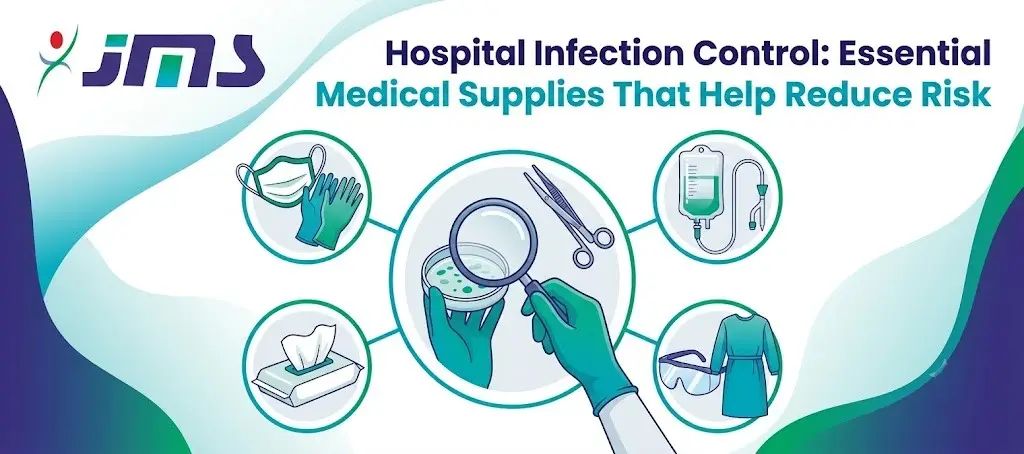
Hospital Infection Control plays an essential role in reducing infection risks and maintaining safer healthcare environments. Effective Medical Infection Control depends on proper hygiene practices and reliable Infection Prevention Supplies. Using quality Hospital Safety Supplies also strengthens Healthcare Infection Prevention, helping protect patients, healthcare professionals, and visitors from potential exposure to harmful microorganisms.
Hospitals and healthcare facilities treat many patients every day. As a result, maintaining a clean and safe healthcare environment is essential for protecting patients, doctors, nurses, and other healthcare workers.
Hospital infection control focuses on reducing the spread of harmful microorganisms within healthcare settings. While proper hygiene and safety procedures are important, medical supplies also play a major role in supporting infection prevention.
Therefore, using suitable medical consumables, disposable products, and protective supplies can help healthcare facilities maintain better hygiene and reduce infection risks.
What Is Hospital Infection Control?
Hospital infection control refers to the practices used to prevent and reduce the spread of infections in healthcare facilities.
These practices are important because microorganisms can spread through contaminated hands, medical equipment, surfaces, wounds, and healthcare waste.
Hospital infection control commonly includes:
• Proper hand hygiene
• Safe use of medical supplies
• Cleaning and disinfection
• Correct waste disposal
• Use of protective products
• Safe wound care practices
Moreover, healthcare staff must follow infection prevention procedures consistently to maintain patient safety.
Why Infection Control Is Important in Hospitals
Patients in hospitals may have weakened immune systems, open wounds, or other health conditions. Therefore, they may be more vulnerable to infections.
Effective infection control helps:
• Protect patients from avoidable infections
• Reduce contamination risks
• Support safer medical procedures
• Protect healthcare professionals
• Maintain hospital hygiene
• Improve overall patient care
As a result, infection prevention remains an important responsibility for every healthcare facility.
Role of Medical Supplies in Infection Prevention
Medical supplies are used during almost every stage of patient care.
From wound dressing to surgical procedures, suitable healthcare products help professionals maintain safer working conditions.
Essential medical supplies can help:
• Create protective barriers
• Reduce direct contact with contaminated materials
• Support safe wound care
• Maintain cleaner treatment areas
• Improve healthcare hygiene practices
Therefore, choosing suitable and reliable medical products is an important part of hospital infection control.
Medical Gloves for Safer Patient Care
Medical gloves are commonly used to reduce direct contact with blood, body fluids, and contaminated materials.
Different healthcare activities may require different types of gloves.
Common options include:
• Surgical gloves
• Examination gloves
• Sterile gloves
• Non-sterile gloves
• Nitrile gloves
Additionally, gloves should be changed between appropriate patient care activities and disposed of correctly after use.
Gauze and Wound Dressing Products
Wound care products are essential for managing injuries, surgical wounds, and other skin damage.
Gauze swabs, absorbent cotton, and suitable wound dressings help healthcare professionals clean, cover, and protect wound areas.
These products can support:
• Clean wound care procedures
• Absorption of wound fluids
• Protection of the wound area
• Reduced unnecessary contamination
• Better wound management
Consequently, quality wound care supplies are important for both patient safety and infection prevention.
Disposable Medical Products
Disposable medical products are designed for limited or single-use applications, depending on the product and manufacturer instructions.
Common disposable healthcare supplies may include:
• Medical gloves
• Certain wound care products
• Disposable protective items
• Medical consumables
• Procedure-related supplies
Moreover, correct use and disposal of suitable single-use products can help reduce cross-contamination risks.
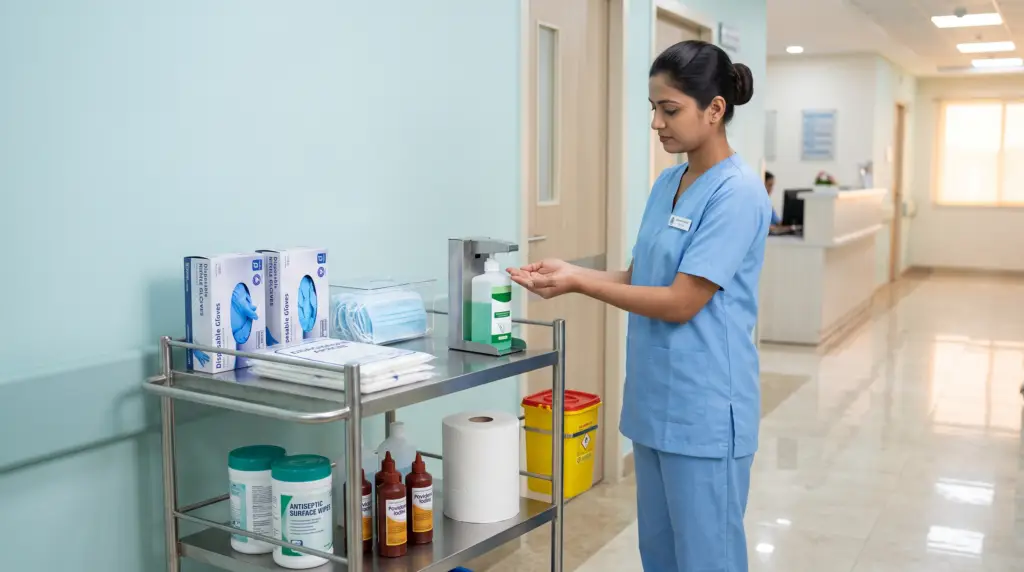
Sterile Medical Supplies
Sterile medical supplies are especially important during procedures where contamination risks must be carefully controlled.
These products may include sterile gauze, wound dressings, surgical gloves, and other procedure-related supplies.
Using suitable sterile medical products helps:
• Support safer medical procedures
• Reduce exposure to microorganisms
• Maintain clinical hygiene
• Protect sensitive wound areas
• Improve infection prevention practices
Therefore, healthcare facilities should store and handle sterile products carefully.
Medical Cotton and Absorbent Products
Medical cotton products are widely used in hospitals, clinics, and treatment centres.
Absorbent cotton may be used for cleaning, applying solutions, or supporting different patient care procedures.
Quality absorbent products should be:
• Clean and suitable for medical use
• Highly absorbent
• Easy to handle
• Properly stored
• Used according to their intended purpose
Furthermore, healthcare professionals should avoid using damaged or contaminated medical products.
Importance of Protective Medical Supplies
Protective healthcare supplies help create a barrier between healthcare workers and potential sources of contamination.
Depending on the healthcare activity, suitable protective products may help reduce exposure to infectious materials.
Proper use of protective supplies supports:
• Healthcare worker safety
• Patient protection
• Better hygiene practices
• Reduced contamination risks
• Safer clinical environments
However, protective products must be used correctly to provide effective support.
Safe Storage of Medical Supplies
Medical products should be stored properly to protect their quality and packaging.
Poor storage conditions may expose healthcare supplies to moisture, dust, damage, or contamination.
Healthcare facilities should:
• Maintain clean storage areas
• Protect products from moisture
• Check packaging regularly
• Monitor expiry dates
• Organize supplies properly
• Follow manufacturer storage instructions
As a result, proper storage helps healthcare facilities maintain reliable medical supplies.
Correct Disposal of Used Medical Products
Used medical products may contain contaminated materials. Therefore, they should be disposed of according to applicable biomedical waste management procedures.
Healthcare staff should avoid mixing contaminated medical waste with general waste.
Proper disposal can help:
• Reduce exposure to contaminated materials
• Protect waste handlers
• Support hospital hygiene
• Prevent unsafe reuse
• Improve medical waste management
Additionally, healthcare facilities should provide staff with suitable waste segregation training.
Choosing Quality Medical Supplies for Hospitals
Reliable medical supplies support safe and efficient healthcare services.
Hospitals and clinics should consider several factors when selecting medical products.
These include:
• Product quality
• Intended medical use
• Suitable packaging
• Reliable manufacturing
• Consistent product availability
Therefore, choosing medical products from reliable manufacturers and suppliers can support better hospital operations.
Trusted Medical and Healthcare Products by JMS Medicon
Looking for reliable medical, surgical, and healthcare products?
📍 JMS Medicon Private Limited
Plot No-85, Padmalava Nagar, Trisulia,
Cuttack, Odisha – 754005
📞 Phone: +91 9437040988
📧 Email: jmsmedicon@gmail.com
🌐 Website: jmsmedicon.com
JMS Medicon supports hospitals, clinics, and healthcare facilities with quality medical and surgical products for everyday patient care.
Supporting Safer Hospitals Through Better Infection Control
Hospital infection control requires proper hygiene, trained healthcare staff, safe procedures, and suitable medical supplies. Products such as medical gloves, wound care materials, sterile supplies, and disposable medical products play an important role in supporting infection prevention.
By choosing quality healthcare products and following proper infection control practices, hospitals and clinics can create safer environments for patients and healthcare professionals.
